How can you discover your own interior design style, step by step?
Inspiration
You can discover your own interior design style by looking at what inspires you, what your surroundings reflect, and what kind of atmosphere you want to create at home. It’s not a matter of choosing a single style from a list, but of recognizing patterns in your own taste. In this article, we answer the most frequently asked questions about interior design styles, from identifying your style to making specific choices about furniture and accessories.
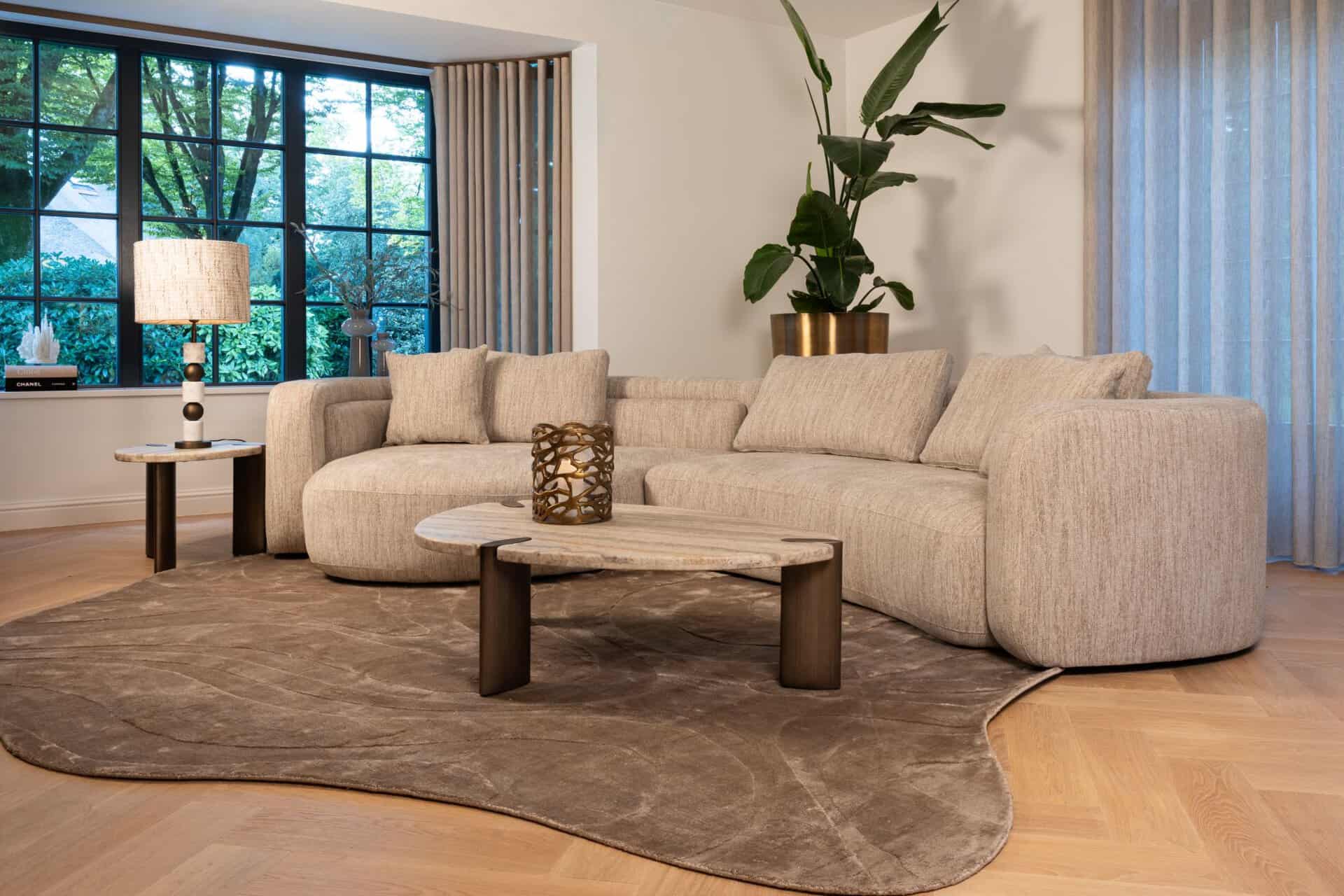
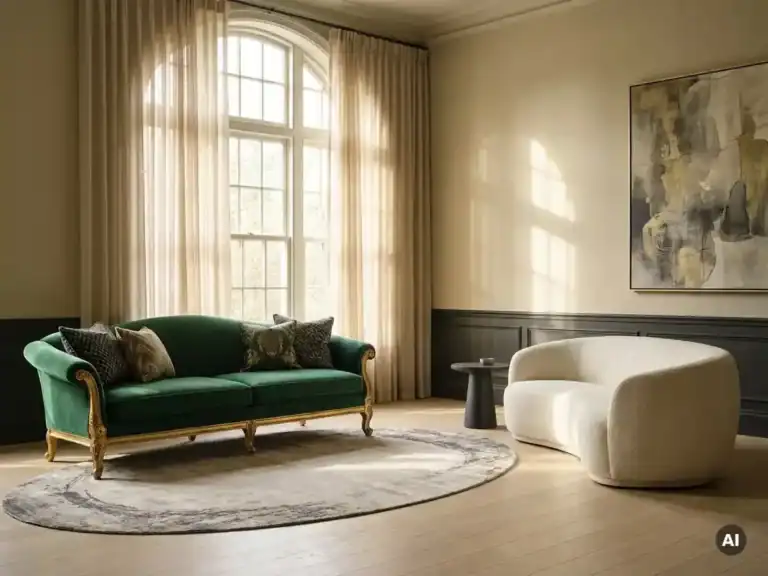
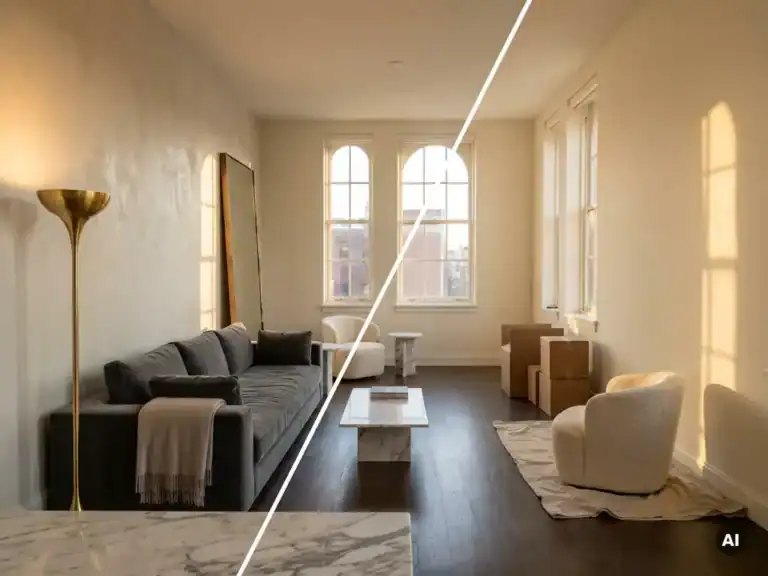
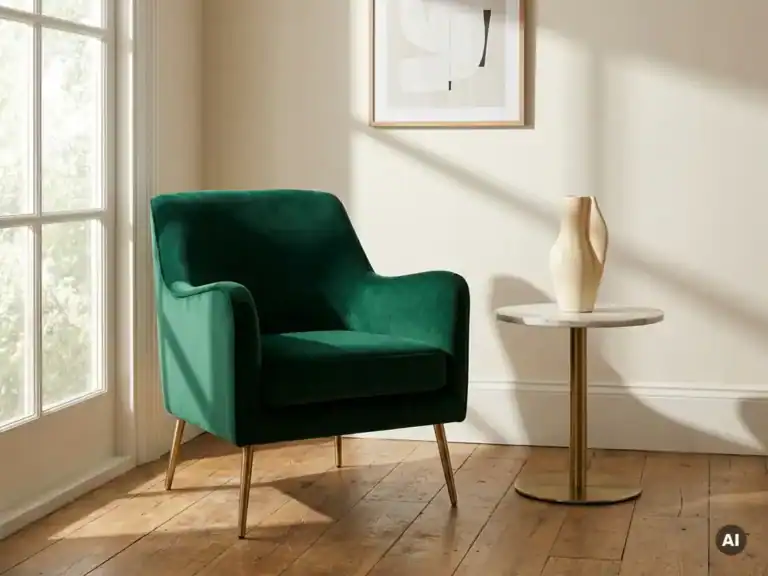
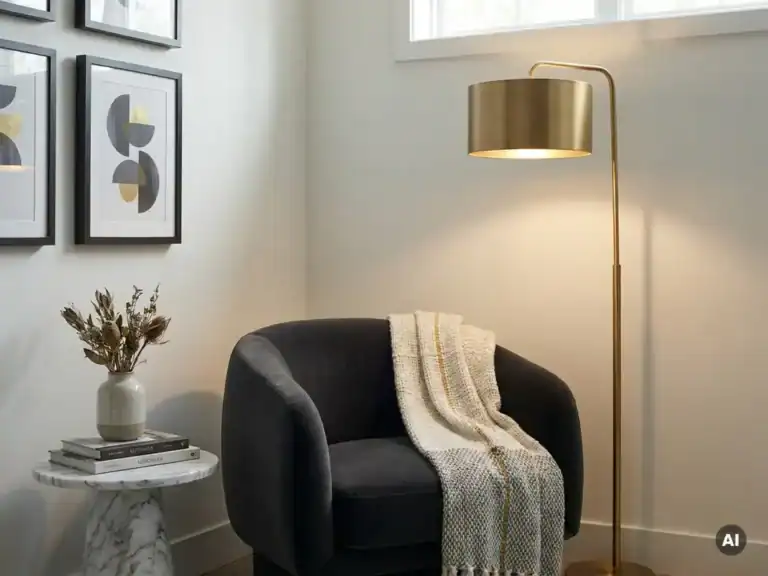
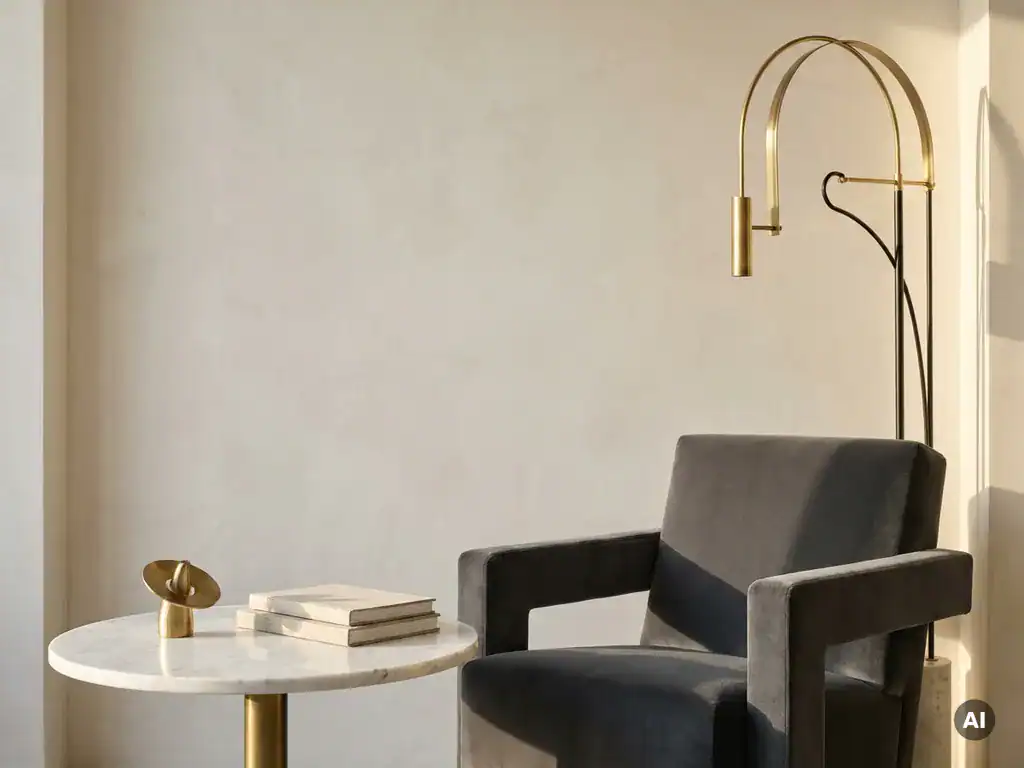
The most common interior design styles are modern, classic, Scandinavian, industrial, Japandi, organic, and glamorous. Each style has distinctive characteristics in terms of color, materials, and design language. Modern is characterized by clean lines and a subdued color palette, while classic relies on symmetry, rich fabrics, and elegant details that evoke a timeless elegance.
You can recognize them by paying attention to a few key elements:
If you know what to look for, it becomes much easier to identify and compare styles. Browse our collections to get a concrete idea of how different styles are reflected in furniture and accessories.
You’ll discover which interior design style suits you best by observing what consistently appeals to you—whether in other people’s homes, in magazines, on social media, or in showrooms. Make a note of the elements that resonate with you and look for recurring themes in color, materials, and atmosphere.
A well-thought-out approach works best. Ask yourself the following questions:
The answers to these questions will guide you toward a style that is not only visually appealing but also aligns with your lifestyle. A living room that you find pleasant and comfortable every day is always a better choice than an interior that looks impressive from a distance but doesn’t quite feel right in reality.
A timeless interior style is based on classic forms, a well-considered color palette, and materials with an intrinsic quality that remain beautiful for decades. A trendy style responds to current trends and may lose its appeal over time. The difference lies not in which is more beautiful, but in how a space evolves over the years.
Timeless styles such as classic, Scandinavian, and organic modern work so well because they leave room for personal touches without quickly going out of style. Think of a neutral base design with furniture in timeless shapes, complemented by trend-conscious accessories that you can easily update as your taste evolves.
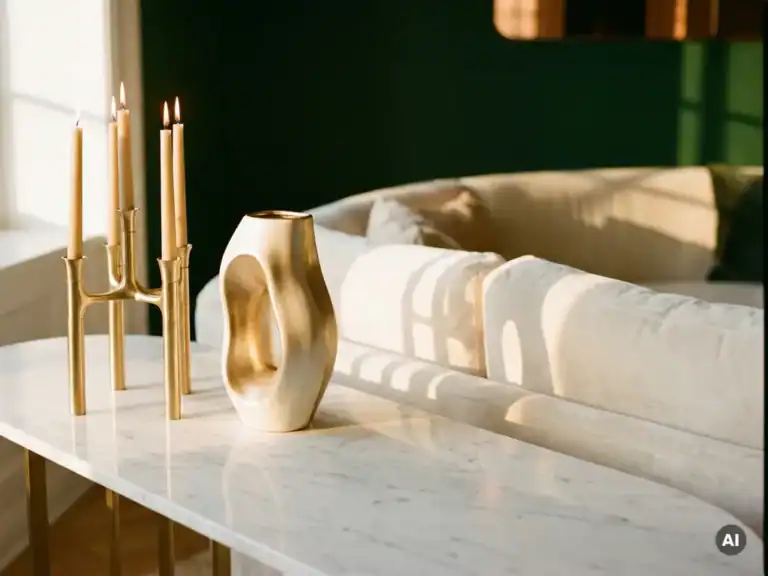
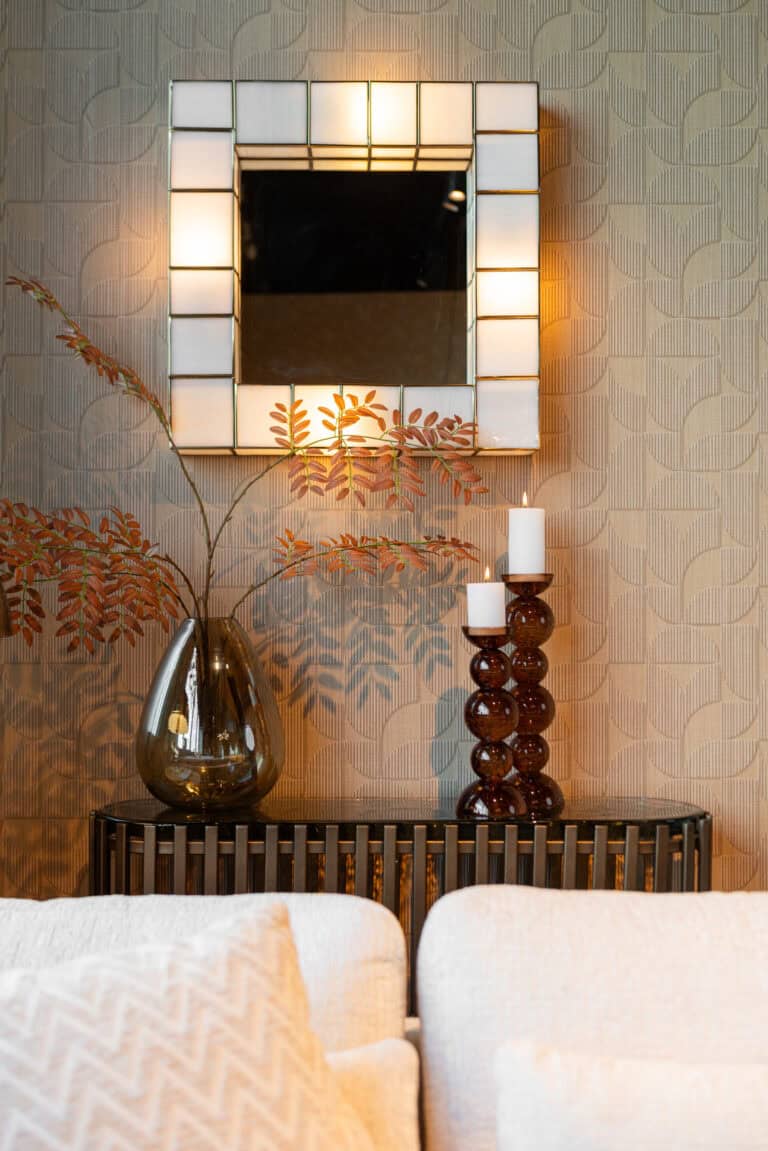
The best way to incorporate trend-driven elements is to limit them to smaller pieces: a Cushion in a current color, a uniquely shaped vase, a mirror, or a lamp with character. This way, you can enjoy the latest trends without large, statement pieces ceasing to harmonize with the rest of the interior after a few years. There’s no definitive answer to the question of which interior style is timeless, but styles based on quality, proportion, and a limited color palette tend to stand the test of time the longest.
You can successfully combine multiple interior design styles by choosing one dominant style as a base and incorporating elements from other styles as accents. The key is a cohesive color palette that runs through all the styles, so that the space exudes a sense of unity despite the variety of shapes and materials.
Practical guidelines for a successful mix:
A combination of modern and classic works well because both styles emphasize quality and proportion. Industrial and organic styles complement each other through shared materials such as wood and metal. Avoid combinations in which the color palettes and design languages are completely at odds, as this undermines the tranquility and cohesion of a space.
You can find reliable living room inspiration through a combination of visual platforms, physical showrooms, and trade magazines. Platforms like Pinterest and Instagram quickly give you a broad overview of current styles, but the most valuable inspiration comes from actually seeing and feeling furniture and materials in a real space.
Here are the best sources for interior design inspiration:
Systematically save images that inspire you, and after a while, analyze what they have in common. That way, you’ll naturally see which style elements keep coming up and what truly suits you—rather than what just happened to catch your eye at the time.
You can translate your interior design style into furniture and accessory choices by starting with a mood board, then organizing your selections from large to small elements, and only then beginning your targeted search. Those who know which style suits them and which color palette they want make choices with greater confidence and are less likely to be swayed by the whims of the moment.
Follow these steps to make informed decisions:
If you want to know which pieces of furniture will complement your interior, always view them in person before making a decision. Bowl — you can only truly experience the feel of the materials and how a color looks under natural light in a real space. Discover the collection at a Richmond retailer near you and be inspired by the furniture and materials in a complete interior setting.
Discovering an interior design style is one thing, but truly bringing that style to life requires furniture and accessories that are coordinated in terms of materials, shapes, and finishes. Our selection includes collections in a wide range of styles—from organic modern and Japandi to glamorous and classic—so you can always put together a cohesive foundation that does justice to your own design vision.
Want to bring your interior design vision to life? Explore the collections online or visit a store near you to see the furniture and materials in person. Do you have a question or would you like more information? Contact us and we’ll be happy to help.