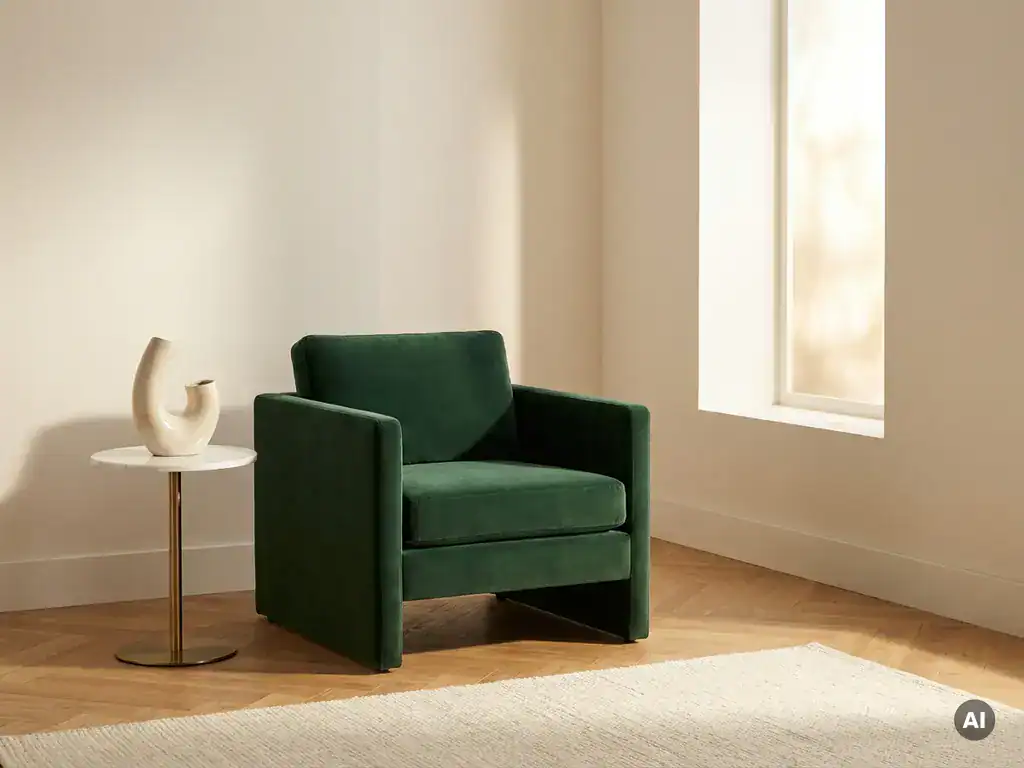
How do you create a timeless interior without having regrets later?
Inspiration
A timeless interior starts with thoughtful choices: furniture and materials that aren’t tied to a passing trend, but will still have the same appeal ten years from now. The key lies in combining high-quality staple pieces with a well-thought-out color palette, complemented by personal touches that give the space character. In this article, we answer the most frequently asked questions about timeless interior design, drawing on our in-depth knowledge of materials, form, and atmosphere.
Timeless furniture features clean, carefully proportioned lines, high-quality materials, and a function that remains unchanged by trends. Think of a solid-wood dining table whose grain and weight speak to its quality, a “ Sofa ” in linen or velvet with a sleek yet inviting silhouette, or a display cabinet with refined lines that says just as much about the craftsmanship as it does about its contents. Such pieces transcend trends because they are built on proportions and craftsmanship.
You can recognize furniture that quickly goes out of style by its forms, which derive their meaning from a specific period. High-gloss surfaces with chrome details, exaggerated organic silhouettes, or materials used purely as a statement without any substantive connection to the rest of the space—these are the pieces that will lose their impact in a few years. Timelessness does not lie in avoiding character, but in choosing character that is not dependent on the spirit of the times.
A strong interior design is built on timeless staple pieces and incorporates trends through accessories: pillows, vases, and lighting. This way, the space retains its foundation while the atmosphere evolves.
A color palette that retains its appeal is built around neutral base tones: off-white, sand, taupe, warm gray, or deep antraciet. These tones serve as a stable backdrop that doesn’t overwhelm the eye and allows virtually any material to shine. Neutral palettes are timeless because they draw attention to form, texture, and light—the elements that truly define an interior.
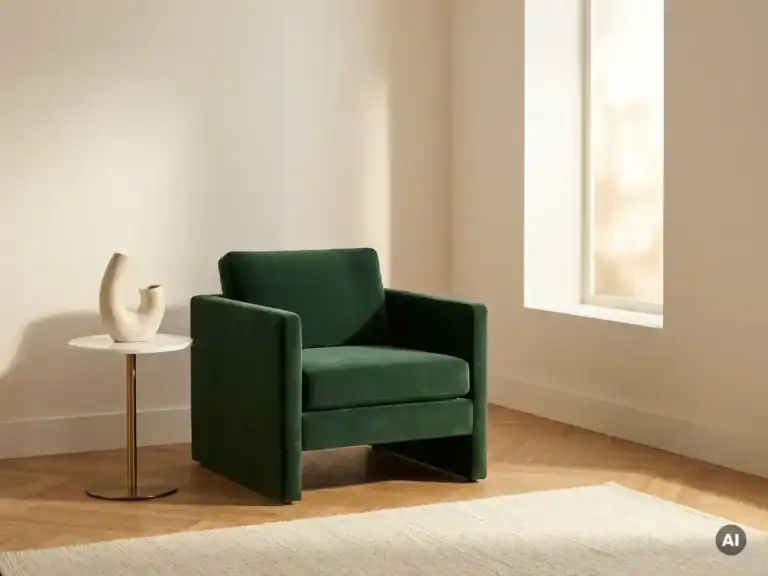
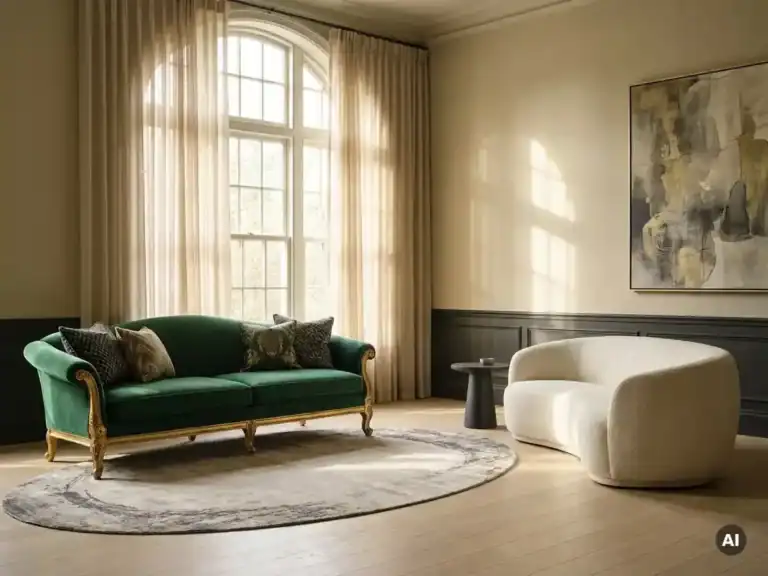
Color is not the enemy of timelessness, but it does require careful placement. A deep green-blue wall or a terracotta accent can enrich a space, provided they complement a neutral overall scheme. The most common mistake is choosing a bold, trendy color for large surfaces that are difficult to change—such as walls, floors, and sofas. That choice sets the tone of the space for years and leaves little room for change.
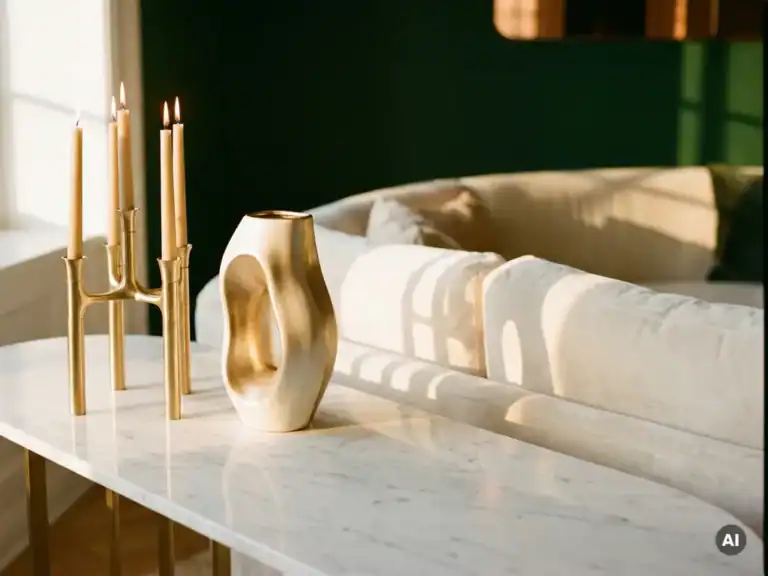
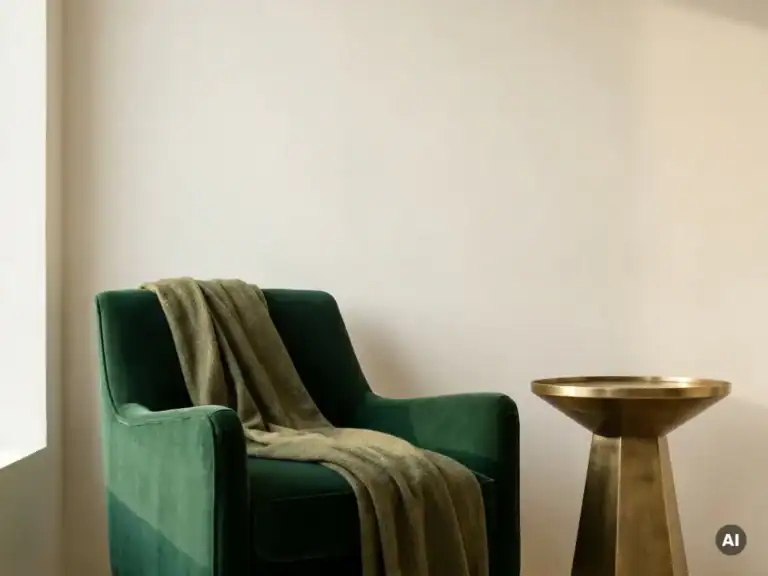
Warm earth tones combined with gold or brass accents create a look that has stood the test of time—and that’s no coincidence. This combination works because it evokes materials found in nature, which, by their very nature, have no expiration date.
The difference lies in the presence of depth and intention. A timeless interior has a distinct atmosphere, carefully chosen materials that complement one another, and personal touches that make the whole unique. A boring interior is neutral and lacks direction: functional, but without warmth or character.
Timeless interior design doesn’t mean understated or colorless. It’s about thoughtful choices that complement each other. A sturdy marble coffee table next to a soft velvet Sofa, a unique lamp that casts light in an unexpected way, a mirror that enlarges the space while also serving as a sculpture—these are the details that elevate an interior from good to extraordinary. Not by being flashy, but by simply being there.
Practical ways to add character without sacrificing timelessness:
Invest in quality furniture for the pieces that form the foundation of a space: the Sofa where you sit every day, the dining table where you entertain guests, and the bed that defines the bedroom. Solid wood develops a patina over the years that deepens its character. High-quality velvet retains its texture and color. Metal frames in brass or matte black oxidize in a way that adds character rather than making them look dated. These materials tell a story that unfolds over the years.
When it comes to decorative accessories and smaller accent pieces, there’s more room for variation, since these elements can shift the atmosphere of a space without affecting its foundation. But for furniture that is a structural part of the composition, the choice of high-quality materials and expert craftsmanship is always visible—and tangible.
Ask yourself these questions with every purchase:
If you answer “yes” to three or four questions, a larger investment is justified.
The best way to combine new furniture with existing pieces is to work from a common thread: a shared material, a similar color temperature, or a corresponding style. Matching isn’t the goal—coherence is. An interior that’s too perfectly matched loses the layered quality that makes a space interesting.
Start by analyzing what you already have. Which materials and colors recur? Is there a mood—however subtle—that can serve as a starting point? New pieces work best when they complement or enhance those existing elements, not when they compete with them.
Guidelines for combining old and new:
Before adding a new piece of furniture to an existing interior, it’s worth experiencing it in person at showroom . The color, the Bowl, and the texture of the material—these are qualities that a screen simply can’t convey. At a Richmond store near you, you can see the pieces in person and assess how they complement what you already have at home.
The most common interior design mistakes are: choosing furniture that disrupts the proportions of a space, making decisions based on a fleeting trend, and acting too quickly without fully understanding the space. These mistakes can almost always be avoided by paying more attention to composition and Bowl.
Incorrect sizing is by far the most commonly cited source of regret. A Sofa that’s too large makes a room feel cramped and disrupts airflow. A dining table that’s too small loses its purpose as soon as guests arrive. Always take measurements and use floor plans or 3D visualizations to check proportions before making a final decision.
Other mistakes you'll want to avoid:
Drawing inspiration from magazines, interior design platforms, and showrooms can help you form a clear picture of the atmosphere you want to create. Take your time, let the space sink in, and trust what appeals to you—not what happens to be everywhere right now.
Creating a timeless interior requires a collection that stands the test of time in both materials and design. The furniture collections at Richmond Interiors are built around this concept: pieces with a distinct character, crafted from materials that deepen their appeal over the years. Specifically, this means:
Would you like to discover which pieces complement the atmosphere and character of your home? Browse the collections online or see the materials and finishes in person at one of the official Richmond retailers near you. Do you have a specific question or would you like personalized advice? Contact us and we’ll be happy to help.