How can you avoid making a bad purchase when buying furniture?
Inspiration
A well-considered choice of furniture doesn’t start at the checkout counter, but with a keen eye for materials, proportions, and ambiance. Those who understand what a space needs—in terms of shape, texture, and character—make choices with greater confidence and less hesitation. This article answers the most frequently asked questions from a design perspective, so that your next choice will perfectly match the space you have in mind.
The most common mistake when choosing furniture is not measuring the space before making a decision. Next are choosing based on gut feeling without considering the existing style, and underestimating how a piece of furniture will feel in everyday use. If you avoid these three pitfalls, you’ll already be making a much more informed choice.
Other common mistakes include:
Experiencing furniture in person first is not a superfluous step, but a natural part of making an informed choice. Anyone who has a clear vision of their interior design style can avoid most of these mistakes early on.
You can recognize quality in furniture by its materials, finish, and construction. A sturdy frame made of solid wood or high-quality metal, clean and even seams, and drawers or doors that glide smoothly without creaking: these are sure signs of craftsmanship. If you look beyond the surface, you’ll quickly see the difference.
Solid wood has a warmth and character that particleboard or MDF simply cannot match. The grain, the weight, and the way light hits the surface give a piece of furniture depth and authenticity. It’s important that the material suits its intended use: a dining table used daily requires a sturdier construction than a decorative side table. Also check the joints—good craftsmanship involves both gluing and screwing, not just holding pieces together with dowels or nails.
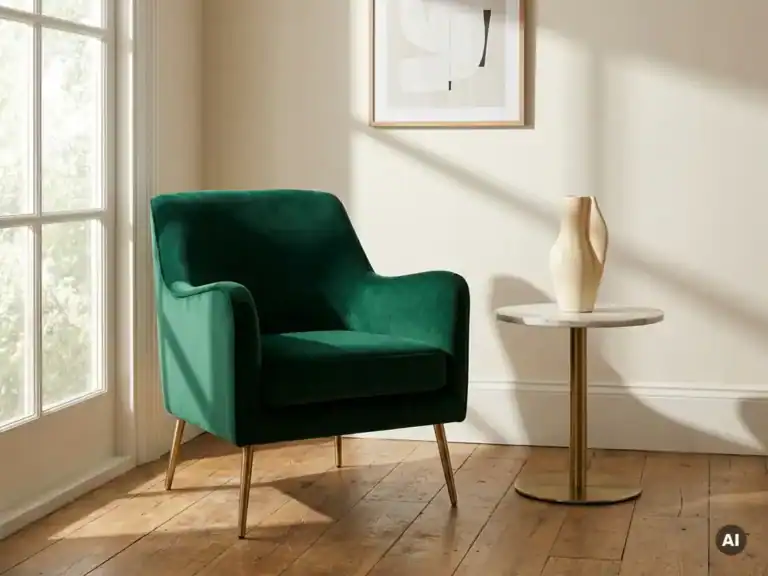
For upholstered furniture such as sofas and chairs, pay attention to the density of the foam and the quality of the fabric. A seat that sags after just a short time will quickly lose its shape and its appeal. Feel the fabric: is it tightly woven, does it have texture and body, or is it thin and stretchy? For wooden or metal furniture, check the finish or coating for evenness. Sharp edges, rough spots, or uneven paint layers are signs of sloppy workmanship.
A reliable benchmark: furniture that is consistent in quality—both at first glance and upon closer inspection—is worth incorporating into your interior design. If you’re unsure, always ask about the origin of the materials and the warranty terms.
A piece of furniture fits into your interior when it complements the existing style, has the right proportions for the space, and its colors and materials harmonize with what’s already there. Those who choose thoughtfully look not only at the piece itself, but at the overall picture.
Start by getting a clear picture of your interior design style. Do you prefer warm, organic shapes with natural materials, or clean, architectural lines with refined details? A timeless interior is created when you consistently apply a style across materials, colors, and shapes—not by matching everything, but by creating a cohesive atmosphere.
Practical steps for determining whether a piece of furniture will fit:
Getting living room inspiration from our collection pages also helps you see how furniture works within a complete interior setting, making it easier to identify the right combinations.
Asking the right questions of an interior design specialist or authorized dealer will give you insight into materials, origin, finishes, and the possibilities a collection offers. This way, you can make a choice that’s not only visually appealing but also sustainable and well-considered.
A good interior design specialist answers these questions with knowledge and conviction. If a consultant remains vague about materials or their origin, that’s a sign to look elsewhere. If you’re looking for a retail location near you, you’ll find a list of official dealers who can assist you in person.
A piece of furniture justifies a higher investment when it takes center stage in your interior, is used intensively on a daily basis, or has a timeless design that retains its appeal for years to come. For furniture with a more temporary or decorative function, a more modest choice is often just as appropriate.
Consider the following criteria to determine whether a larger investment makes sense:
A higher price tag is no guarantee of quality, but with brands that offer transparent product information, proven craftsmanship, and well-thought-out collections, you’re much more likely to make a choice that will bring you satisfaction for years to come. Make a conscious choice, look beyond the purchase price, and ask yourself whether this piece of furniture will still provide the space you envision five years from now.
A well-considered choice of furniture starts with the right inspiration, honest information, and the opportunity to experience the furniture in person. Richmond Interiors offers all of that as a wholesaler of luxury furniture and home accessories available through a network of carefully selected resellers in the Netherlands and throughout Europe.
Here's how we help you make the right choice:
Would you like to learn more, or are you curious about which styles are currently available? Contact us, and we’ll help you on your way to creating an interior you’ll enjoy for years to come.