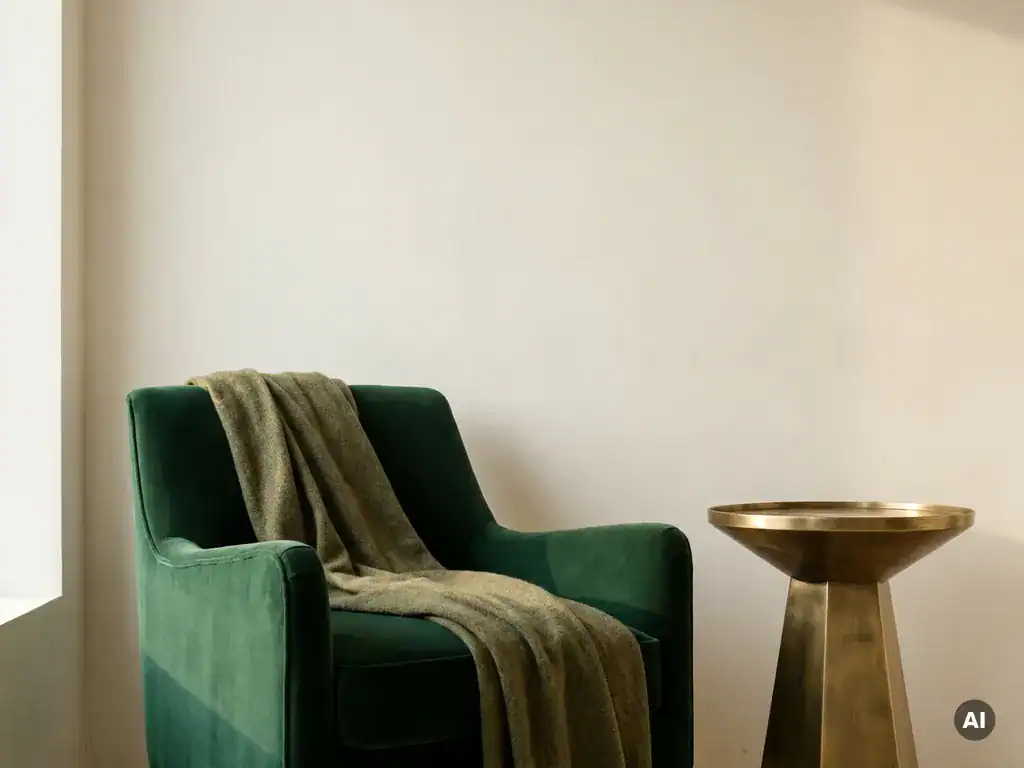
What are the best fabrics for a luxury Sofa in the living room?
Inspiration
The best fabrics for a luxury Sofa in the living room are leather, velour, bouclé, and high-quality linen. Which fabric is best for you depends on your lifestyle, interior design style, and how you use the Sofa on a daily basis. In this article, we’ll take a closer look at the characteristics of these materials so you can make a choice that matches the atmosphere and look you have in mind.
The most durable materials for a luxury Sofa are full-grain leather, high-quality microfiber, and woven fabrics with a high thread count. These materials retain their shape, color, and texture even with intensive daily use and, with proper care, can last for decades. An important measure here is the Martindale rating: an international standard that indicates how many abrasion cycles a fabric can withstand before visible wear occurs.
Leather has traditionally been the most durable upholstery material for a Sofa. Over the years, it develops a rich patina, is resistant to moisture, and retains its structure when properly maintained. Microfiber offers a comparable lifespan in a softer, fabric-like version. Woven materials such as jacquard or chenille also score well in terms of durability, especially when the thread density is high.
Velour and bouclé are naturally a bit more sensitive to heavy use, but they perform exceptionally well in a living room that isn’t subjected to heavy wear and tear. For spaces where the Sofa is used by multiple people every day, a Martindale rating of at least 30,000 cycles is a solid starting point.
The distinction between leather and fabric lies not only in maintenance, but also in atmosphere, appearance, and the way a material influences a space. Leather has a sleek, timeless presence that instantly lends an interior a certain strength and clarity. Fabric brings warmth, texture, and a richness of color, and naturally complements a more organic or layered interior style.
Leather is a living material that reacts to its environment and becomes more beautiful over time. The smooth, clear surface texture gives Sofa a distinctive character and works particularly well in interiors where lines and forms take center stage. Leather reflects light in a subtle way, thereby enhancing the architectural qualities of a space. Regular maintenance with a leather conditioner keeps the material supple and preserves its deep luster.
Fabric upholstery adds texture, depth, and warmth to an interior in a way that leather simply cannot match. The variety of weaves, textures, and colors makes fabric a versatile material that adapts to a wide range of interior styles. A bouclé Sofa feels different from a velour piece, and that difference in texture helps define the atmosphere of the entire space. Fabric upholstery requires a bit more attention when it comes to maintenance, but in return offers a wealth of visual and tactile qualities.
Leather and synthetic leather are the low-maintenance choices for sofa upholstery. They do not absorb liquids, and spills can be removed with a soft, damp cloth without damaging the material’s structure. Microfiber is a close second: its dense fiber structure prevents dirt from penetrating deep into the material, making it easy to remove most stains from the surface.
Bouclé and velour require a slightly gentler approach. With these fabrics, it’s important to blot stains rather than rub them, to keep the characteristic fiber structure intact. A dry or slightly damp cloth is the best tool for this. The texture of these fabrics is an essential part of their appeal, and careful maintenance preserves that quality over the years.
Sofas with removable covers offer added convenience in busy households without compromising on aesthetic quality.
Velour and bouclé are among the most highly prized fabrics in contemporary high-end interiors, and for good reason. Both materials bring their own distinctive atmosphere that instantly adds a new dimension to a living room.
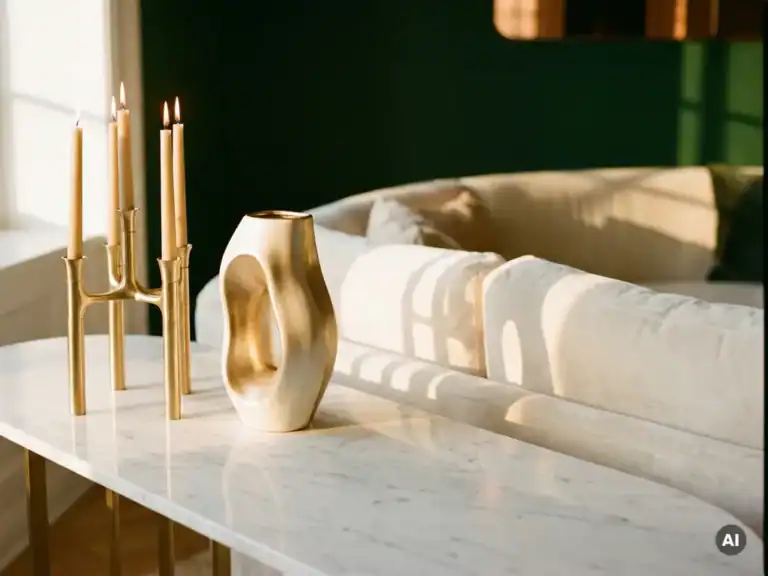
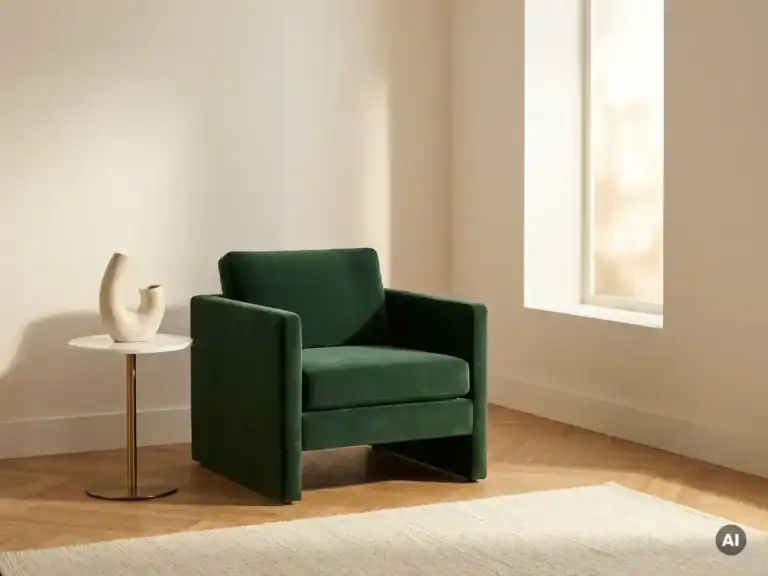
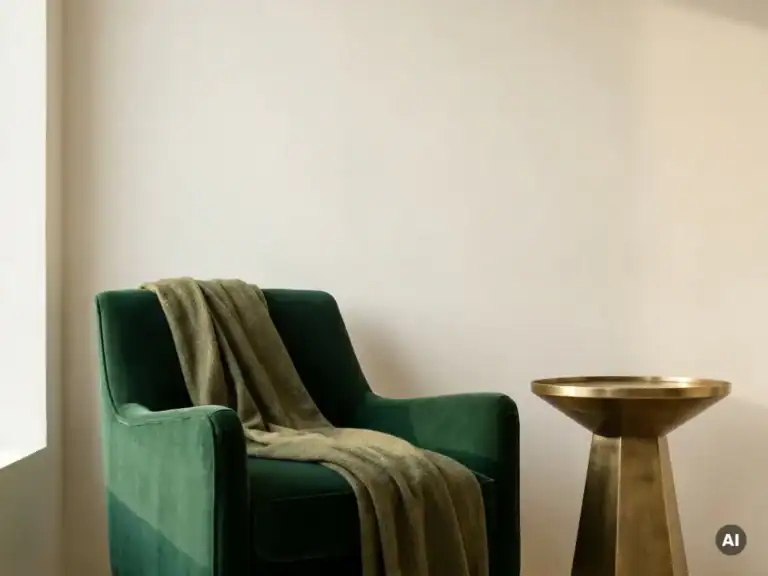
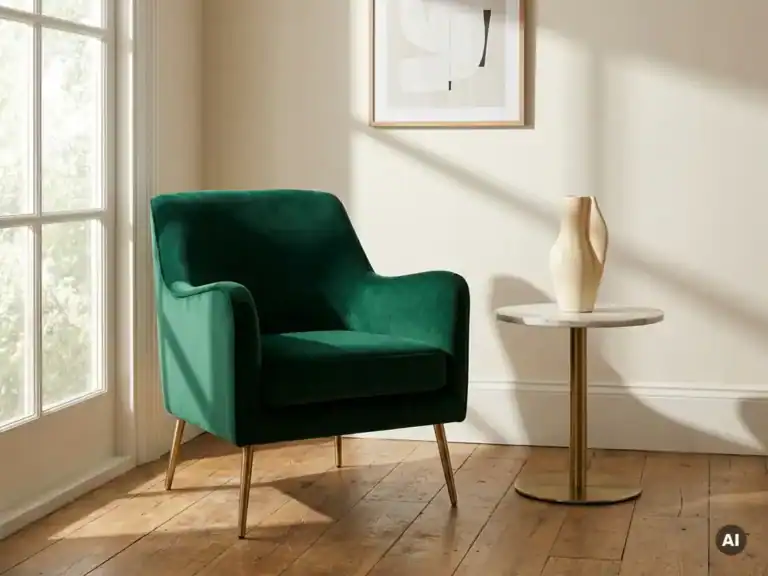
Velour stands out for its cut-pile texture, which captures and reflects light in a unique way. The fabric has a velvety softness and a subtle sheen that instantly gives a Sofa a rich, sensual look. Velour really comes into its own when paired with brass accents, marble side tables, or deep-colored walls.
In recent years, bouclé has become one of the most iconic fabrics in high-end interior design. Its coarse, ribbed texture lends a Sofa visual weight and tactile richness, and pairs beautifully with warm earth tones, untreated wood, and natural stone surfaces. Bouclé fits seamlessly into the broader trend toward organic and material-driven living, and imbues an interior with a warm, earthy luxury that feels quite different from the cool elegance of leather.
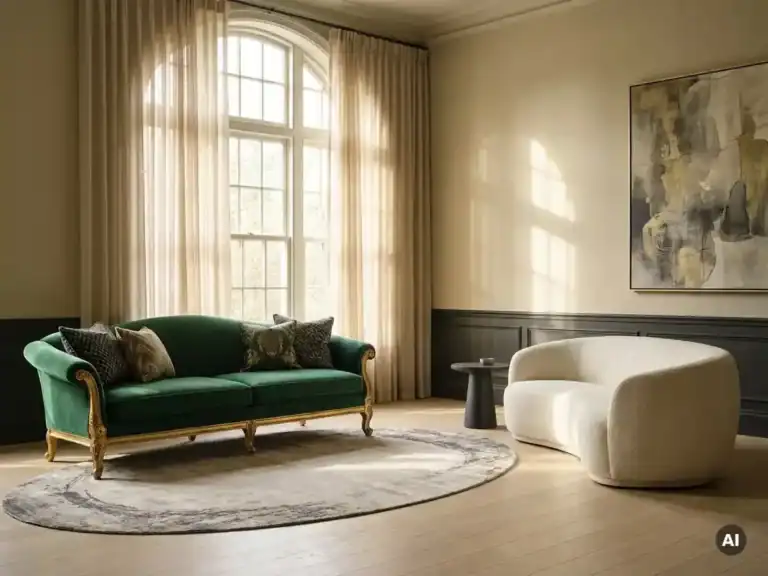
Choosing the fabric for a Sofa is not a decision made in isolation, but an integral part of the overall interior design. The material helps determine how light behaves in the space, how other materials are showcased, and what atmosphere the living room exudes. Always start with the style and color palette of the room, and choose a fabric that complements them.
Below is an overview by interior design style:
When choosing a new Sofa, it’s important to consider the choice of fabric in relation to the other furniture, materials, and lighting in the room. A Sofa never stands alone: the upholstery influences how all the other elements in the room interact with one another.
Linen has an undeniable aesthetic quality: its natural weave texture, warm, matte appearance, and slight irregularity in the fibers give Sofa an organic authenticity that synthetic fabrics cannot match. At the same time, linen requires a conscious choice, as the material absorbs moisture quickly and is more prone to wrinkling than woven or synthetic alternatives.
Linen is an excellent choice for a “ Sofa ” in a quiet space, or as a deliberately chosen accent piece in an organic interior. In high-traffic areas, the material requires more attention and more frequent maintenance to retain its appearance.
Other natural fabrics, such as cotton and wool, have similar properties. Wool is naturally relatively sturdy and has a certain degree of stain resistance due to the structure of the fiber. Cotton is softer but more prone to wrinkles and stains. When choosing a natural fabric, a high thread count is an important indicator of durability and the material’s ability to retain its shape and structure.
A Sofa is one of the most defining pieces of furniture in a living room. Choosing the right material directly influences the atmosphere, warmth, and visual cohesion of the interior as a whole. Richmond Interiors offers an extensive collection of sofas in a wide variety of fabrics and styles, from the sensual softness of velour to the tactile richness of bouclé, from the timeless clarity of leather to the organic warmth of microfiber. Each piece is designed with attention to proportions, finish, and the way the furniture relates to the space around it.
Would you like to feel the fabrics, get a sense of the proportions, and see the collection in context? Then visit one of the official Richmond retailers near you, or explore the full collection at richmondinteriors.nl.