What interior design styles are available for my home?
Inspiration
There are dozens of interior design styles, but the most influential ones fall into a handful of broad categories: modern, classic, Scandinavian, industrial, bohemian, rustic, and luxury or glamorous styles. Which interior design style best suits your home depends on your personal taste, the architecture of the space, and the atmosphere you want to create. In this article, we’ll answer the most frequently asked questions about living room styles and interior design styles, so you can make an informed choice that truly suits you.
There are dozens of recognized interior design styles, but they are generally grouped into five to seven main categories: modern and minimalist, classic and traditional, Scandinavian, industrial, bohemian, rustic, and luxurious or glamorous. Within each category, there are countless variations and sub-styles that differ in terms of materials, color palette, and design language.
There is no official classification of interior design styles, but interior design professionals generally use similar categories. Styles are often distinguished based on:
Styles are not rigid categories. They overlap, evolve, and are constantly influenced by architecture, craftsmanship, and cultural shifts. It is precisely within this tension that the most interesting interiors emerge.
In 2026, the leading interior design styles will be Japandi, organic living, hotel chic, maximalist glamour, and the classic-modern mix. These styles appeal because they combine comfort with a strong visual statement and align with the desire for an interior that is both personal and refined.
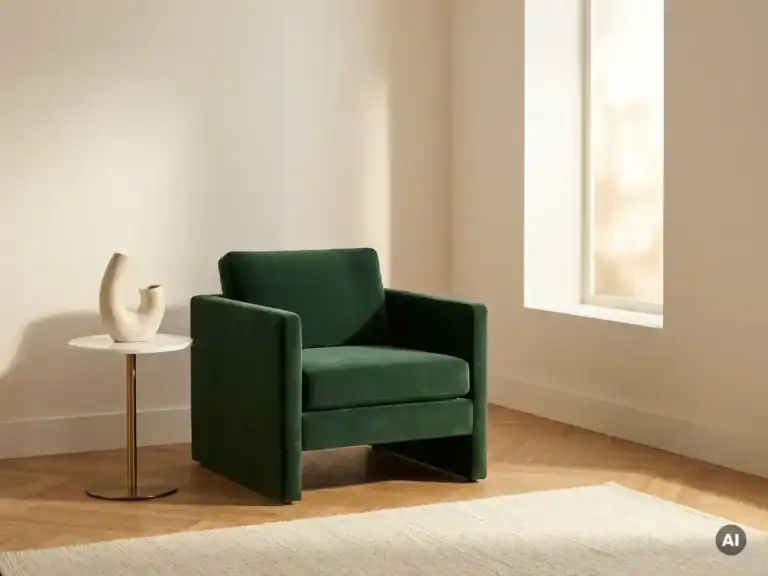
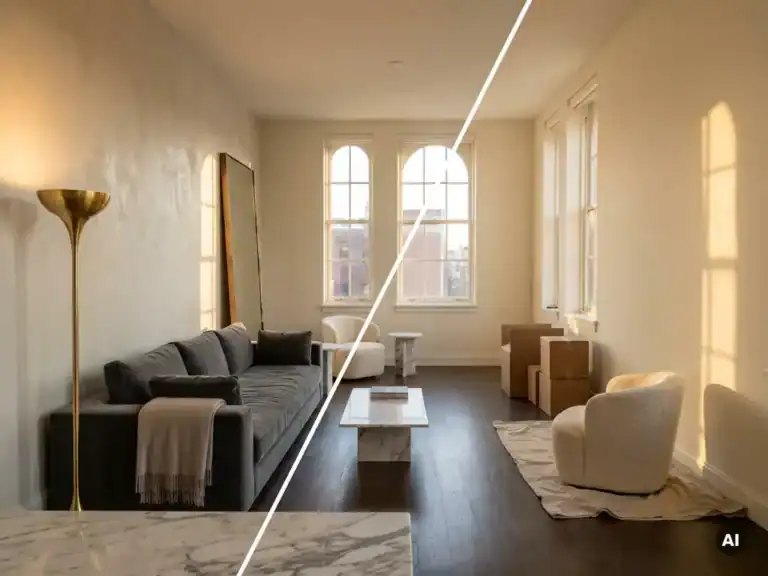
Japandi combines Japanese minimalism with Scandinavian warmth. The emphasis is on tranquility, natural materials such as wood and linen, and a neutral color palette featuring earth tones. Organic living adds undulating forms and rich textures to this—think of travertine with its soft, layered structure and bouclé fabrics that absorb light and lend the space a tangible warmth. The result is an interior that feels more sculptural than decorative.
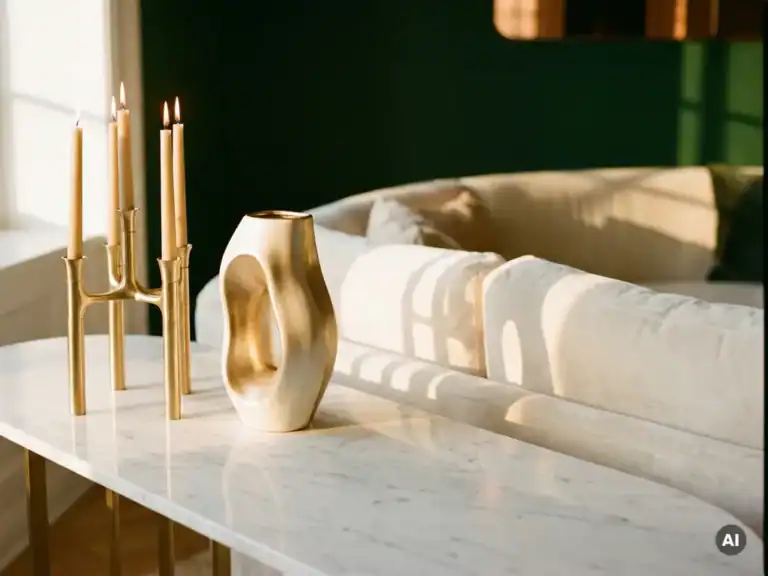
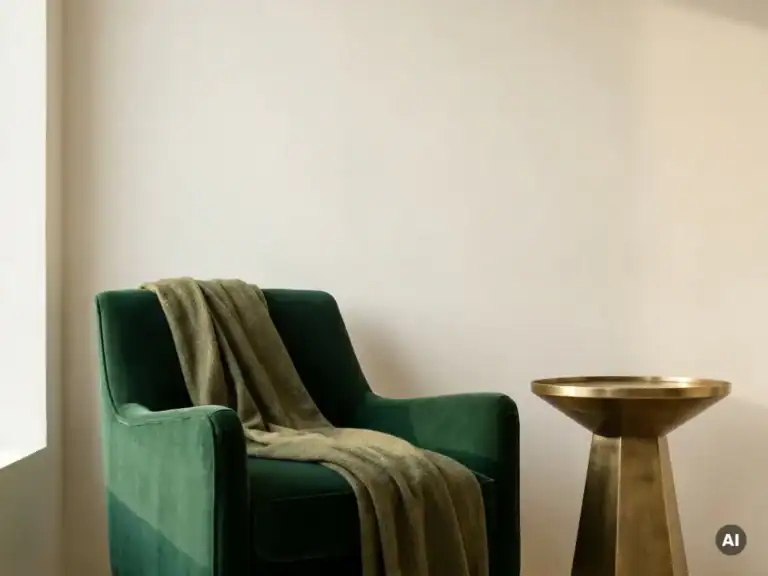
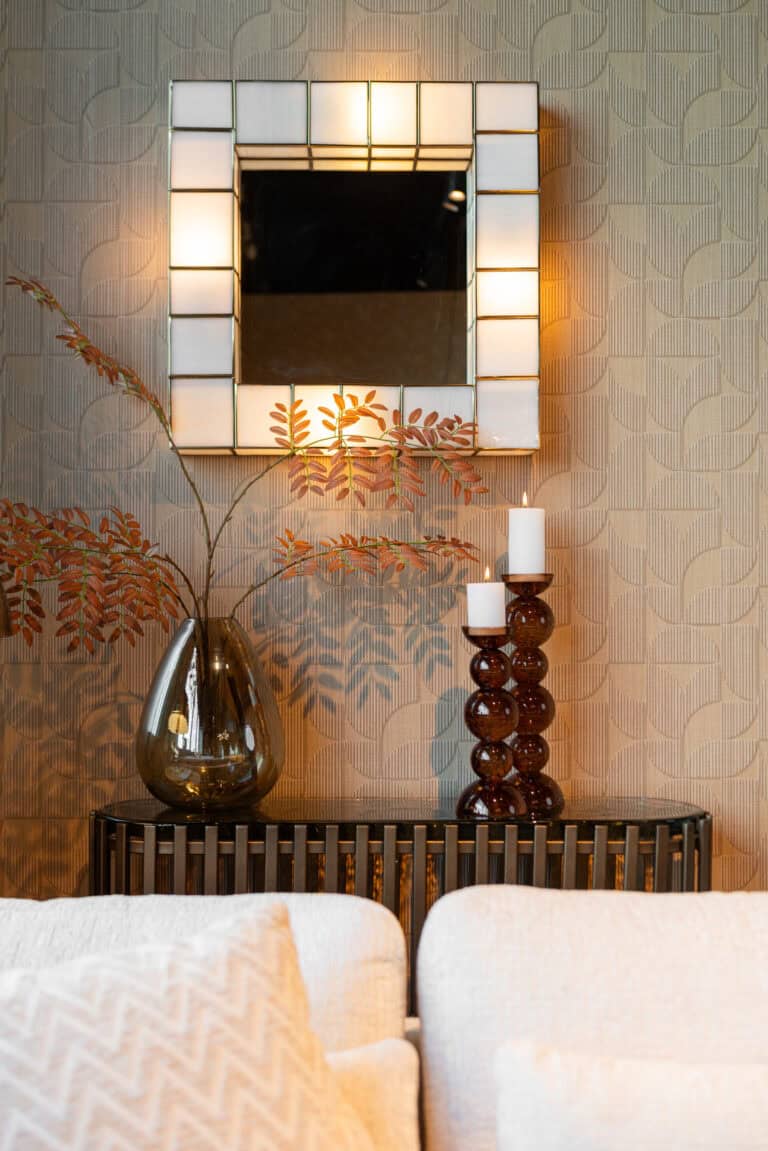
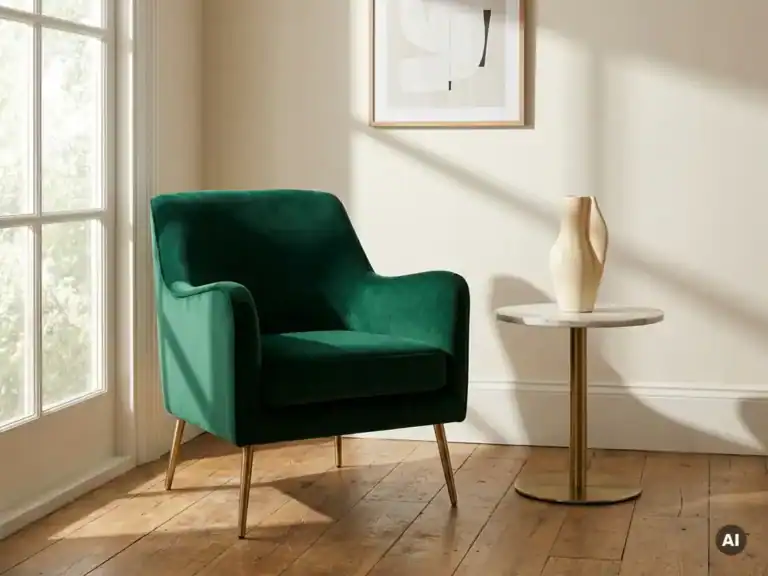
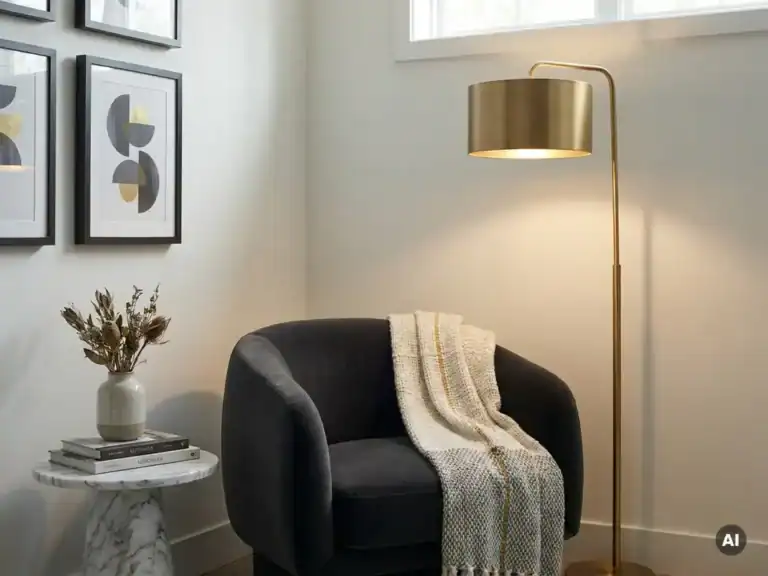
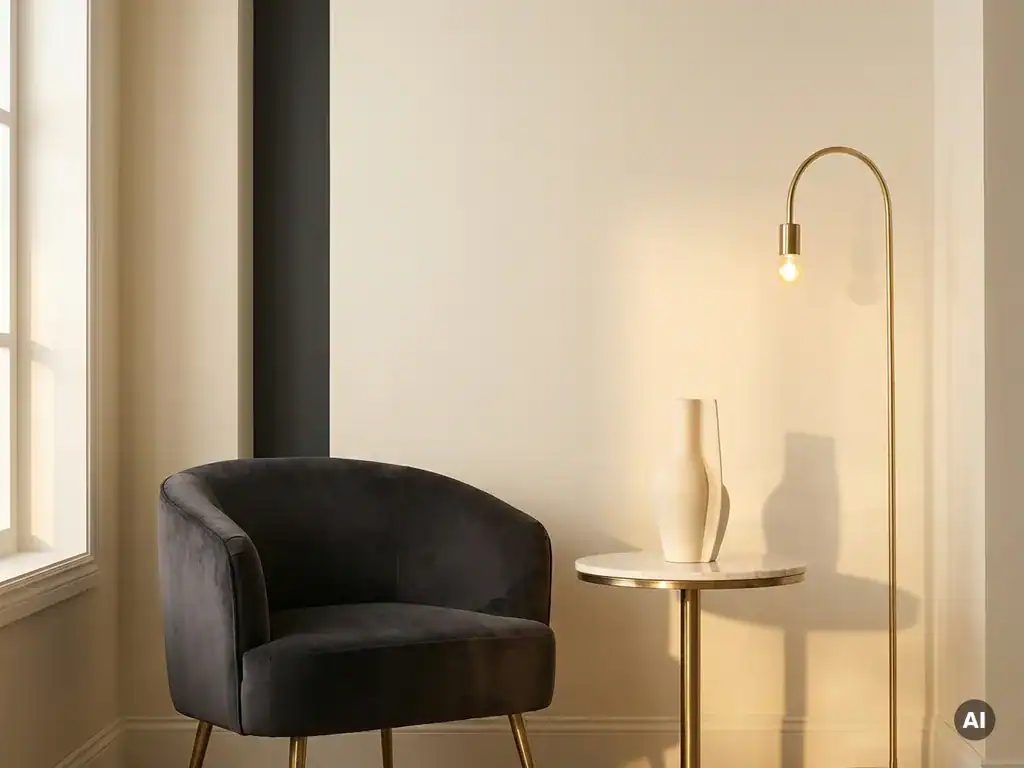
Hotel Chic and Hollywood Regency are popular interior design styles for those who prefer a bold, opulent living environment. Rich fabrics such as velvet and silk, brass or gold accents that reflect light, mirrored surfaces, and a sleek, symmetrical design define the atmosphere. These styles aren’t necessarily busy, but they are self-assured and well-thought-out. They pair exceptionally well with deep colors such as midnight blue, emerald green, or antraciet, which further enhance the richness of the materials.
The main difference between a modern and a classic interior style lies in the design language and the role of ornamentation. Modern styles feature clean lines, functional furniture, and a restrained color palette. Classic styles embrace symmetry, decorative details, rich materials, and a sense of timeless elegance in which every element is carefully chosen.
A modern interior design style is characterized by:
A classic interior is characterized by:
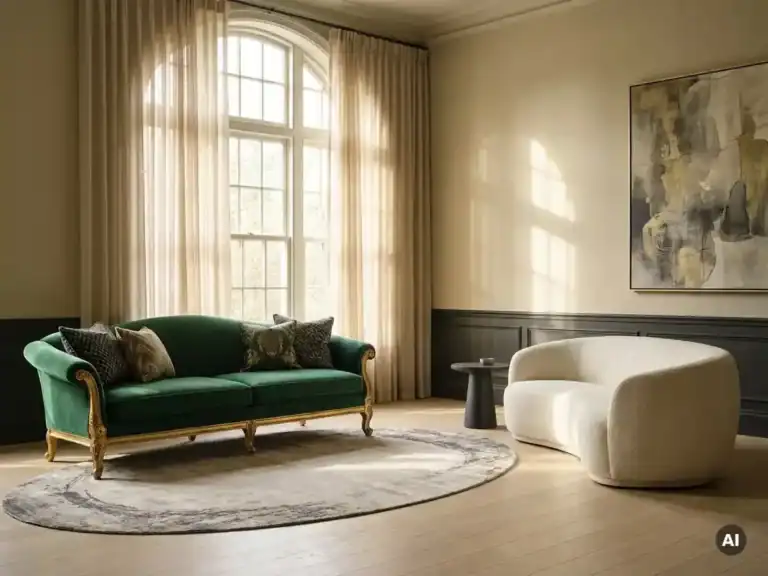
Between these two extremes lies the classic-modern blend, also known as transitional style. This is one of the most popular interior design styles for homes because it combines the timelessness of classic design with the clarity and tranquility of modern living—without either one taking precedence.
Choosing the right interior design style starts with a clear vision of the atmosphere you want to create: what materials appeal to you, how do you use the space, and what role does light play in that? In addition, the home’s architecture and the proportions of the space determine which style will truly shine.
A thoughtful approach to determining your interior design style:
Browse our collections for inspiration: a wide range of styles will quickly show you which direction appeals to you and why.
For a luxurious and glamorous home, styles such as Hollywood Regency, hotel chic, Art Deco, and the classic-modern luxury blend are the best fit. What these styles have in common is an emphasis on high-quality materials, rich textures, and a composition that instantly gives the space a sumptuous yet thoughtful look.
Characteristic elements of a luxury interior design style include:
A luxurious interior is not synonymous with cluttered or overloaded. Its strength lies in the quality of each individual element: the texture of the travertine, the way brass reflects light, the softness of bouclé alongside the coolness of natural stone. Flowing shapes and organic materials add character and sophistication without making the space feel heavy.
Yes, combining multiple interior design styles in a single home is not only possible but often results in interiors with the most character. The key is to choose a dominant base style and add elements from a second style as deliberate accents. This creates an interior that doesn’t fit into a single category but still feels cohesive and intentional.
Combinations that work particularly well:
When combining styles, consistency in the color palette and use of materials is key. When colors and textures interact and enhance one another, a mix of styles feels like a deliberate design choice rather than a random hodgepodge.
Finding the right interior design style for your home is one step; finding the furniture and accessories that truly bring that style to life is another. Richmond Interiors offers a wide selection that complements virtually all leading interior design styles—from the clean, crisp lines of modern and minimalist to the rich, opulent look of classic and glamorous.
What sets the collections apart:
Would you like to learn more, or are you wondering which style best suits your home? Contact us, and we'll be happy to help.