Which interior design style best suits your personality?
Inspiration
The interior design style that best suits your personality is the one that reflects how you want to feel at home: calm and organized, warm and lively, or perhaps adventurous and eclectic. Your home is an extension of who you are, and that makes the choice more personal than many people realize. In this article, we’ll answer the most frequently asked questions about interior design styles, so you can discover, step by step, which style truly suits you.
Your personality reveals your ideal living style through the choices you make every day: which colors appeal to you, whether you prefer clean lines or layered warmth, and whether you’d rather have a minimalist, understated interior or a rich, detail-filled environment around you. Who you are determines how you want to live, and that’s reflected in every piece of furniture, every texture, and every accessory you choose.
People who appreciate structure and tranquility generally feel most at home in a clean, minimalist setting where space and light take center stage. Those who are sociable and outgoing often opt for warm tones, rich fabrics, and inviting seating areas that exude a sense of comfort. Creative and adventurous types are drawn to eclectic interiors with unexpected combinations of materials, shapes, and colors that come together to tell a story.
A reliable way to discover your personal style is to look at what catches your eye in other people’s homes, in hotels, or in restaurants with distinctive interiors. What moves you? What gives you a sense of calm, warmth, or inspiration? Those instinctive reactions will quickly point you in the direction of the style that truly suits you.
The most common interior design styles are modern and minimalist, classic and timeless, industrial, Scandinavian, Japandi, organic, and eclectic. Each style has its own color palette, use of materials, and atmosphere, and they sometimes blend seamlessly into one another. Which furniture and materials suit your home depends largely on which style you choose as your starting point.
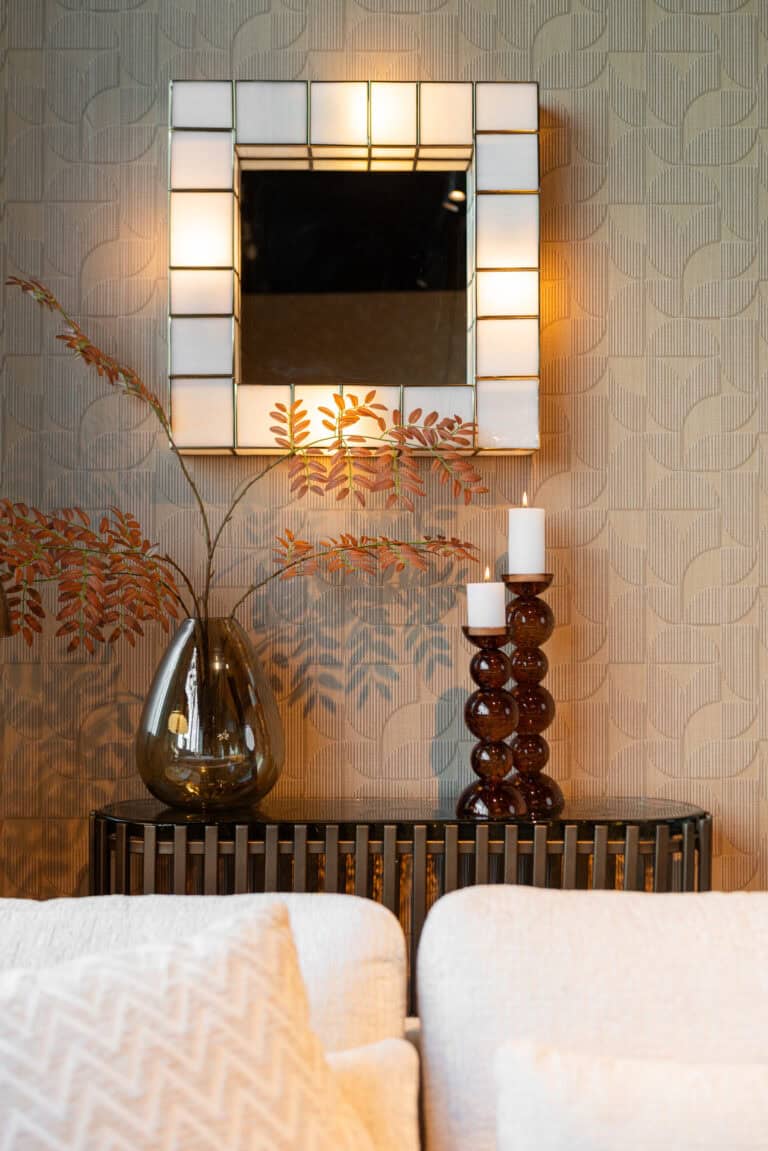
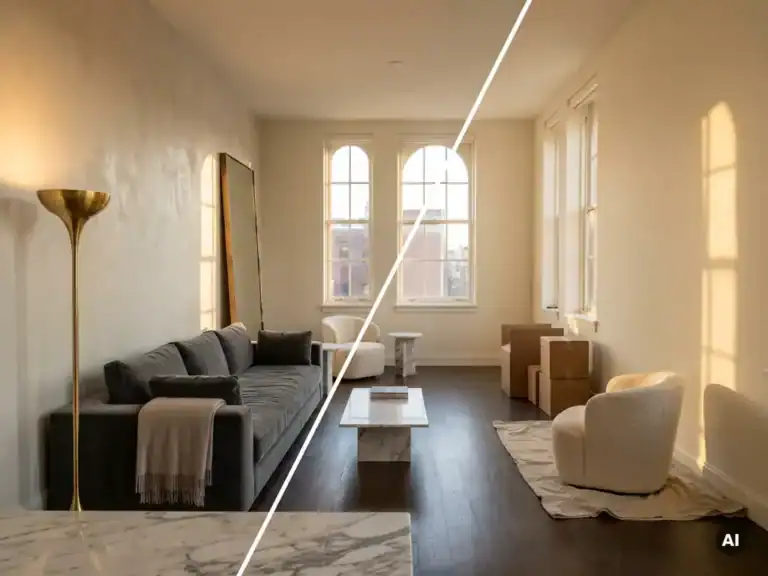
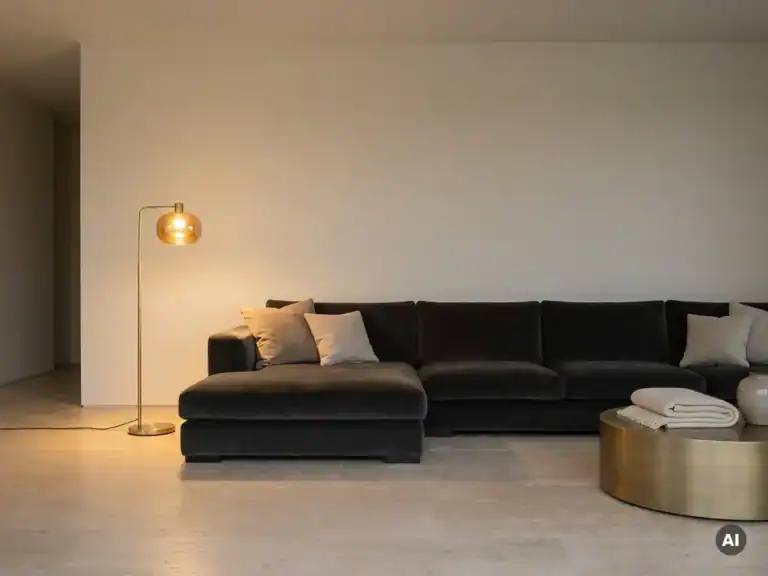
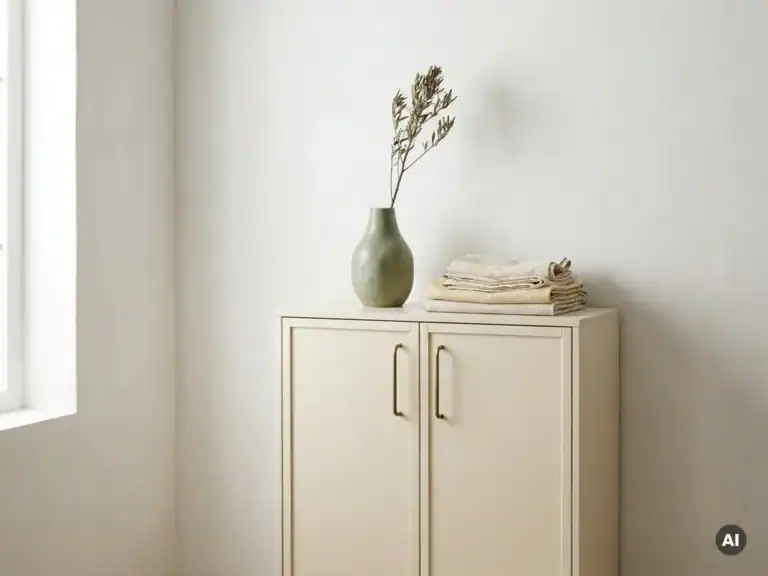
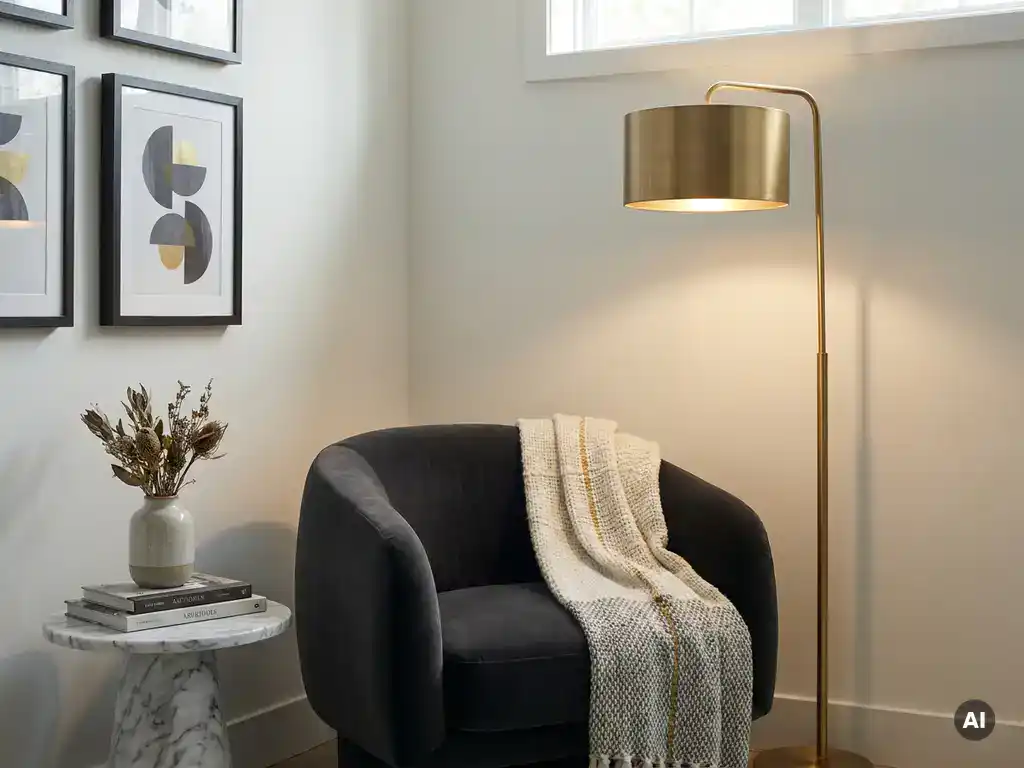
This style revolves around clean lines, neutral colors, and functional furniture, where every shape serves a purpose. Space, light, and a carefully chosen color palette take center stage. Materials such as glass, brushed metal, and light wood give the interior a bright, cohesive look. Brass accents add subtle warmth without disrupting the clean lines.
Scandinavian interior design combines functionality with coziness. Light wood floors, soft textiles, and a warm yet understated aesthetic define the look. Japandi is a refined blend of Japanese and Scandinavian design principles: calm, pure, and close to nature. Earth tones, bouclé fabrics, and organic shapes play a major role in this style. Bouclé adds a tactile softness that instantly makes a space feel warmer and more inviting.
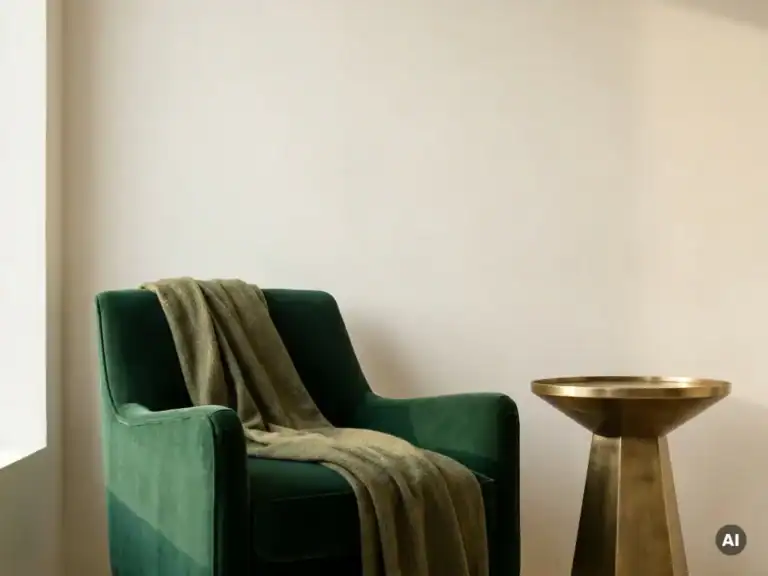
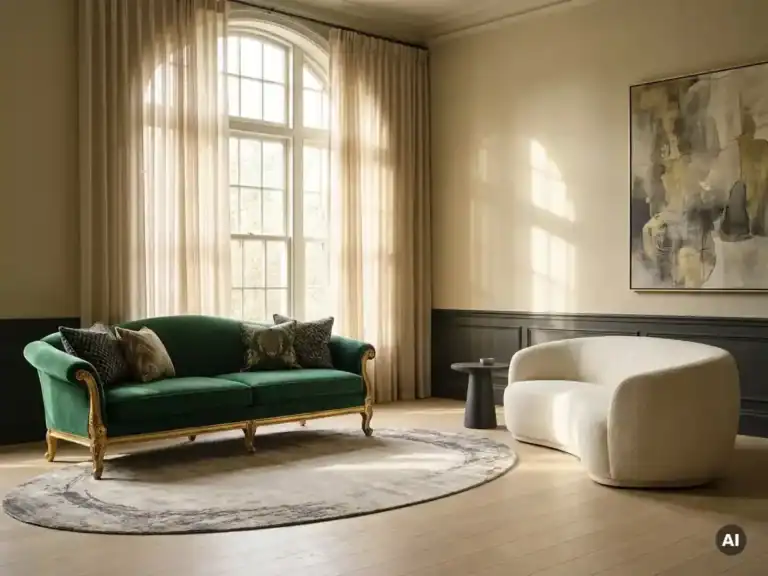
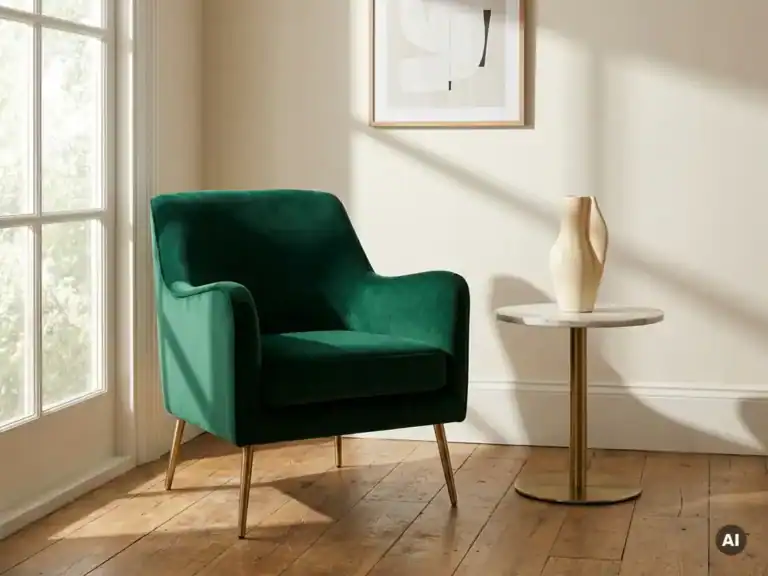
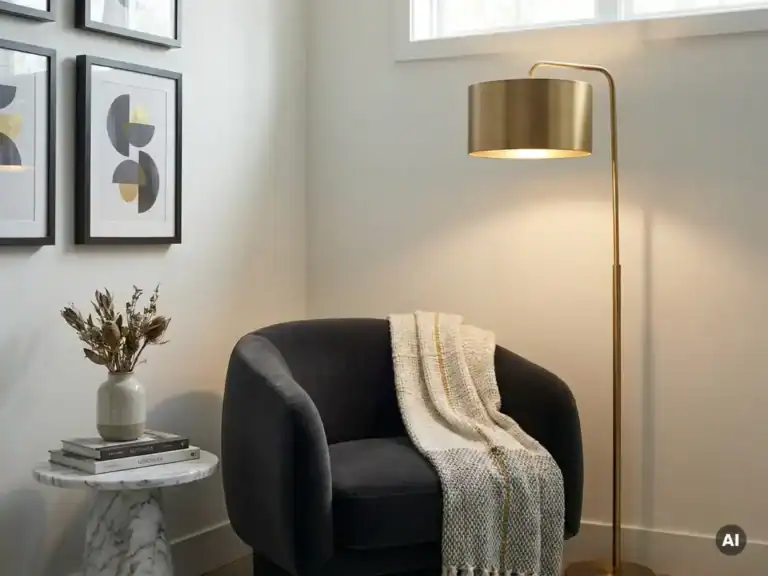
Classic interior design is characterized by symmetry, rich materials, and timeless forms with refined proportions. Hollywood Regency takes this a step further with glossy surfaces, gold accents, and a distinctly glamorous look. Velvet, marble, and brass are the materials that define this style: they reflect light in a way that lends a space depth and allure.
The industrial style draws inspiration from factories and lofts: raw concrete, dark metal, heavy wood, and exposed structural elements. The atmosphere is rugged and authentic, but with the right combination of textiles and lighting, this interior can also exude a warm, inviting ambiance.
The biggest difference between classic and modern interior design lies in their design language and the atmosphere they evoke. Classic interior design emphasizes decorative details, symmetry, and rich materials such as velvet, marble, and bronzed metal. Modern interior design focuses on clean lines, neutral colors, and a bright, uncluttered look in which the form itself makes the statement.
Classic elements possess a timeless quality that stems from the quality of their materials and the precision of their proportions. Furniture with refined proportions, crafted from durable materials such as solid wood or polished natural stone, ages gracefully and gains character as time goes by.
Modern living calls for a more restrained use of color and a deliberate approach to selecting accessories and materials. An interior that stands the test of time is created by choosing furniture with clean lines made from high-quality materials, complemented by personal touches that reflect the spirit of the moment.
An eclectic interior design style is best suited for people who don’t want to be pigeonholed. This style combines elements from different periods, cultures, and styles into a personal and surprising whole. It’s not about randomness, but rather a deliberate mix that is unified by color, material, or atmosphere.
Adventurous types feel right at home in interiors with character: a vintage chair next to a contemporary coffee table, a sculptural object next to a sleek mirror, or an expressive rug in an otherwise understated, Scandinavian-style room. You’ll find inspiration for this type of interior while traveling, at antique markets, or in art galleries where objects aren’t just beautiful—they also tell a story.
The key to a successful eclectic interior is repetition: make sure a color, a material, or a particular texture appears in multiple elements. This creates cohesion, even if the individual pieces are very different in origin or style.
You can combine multiple interior design styles in a single space by choosing one style as the foundation and using the others as accents. Choose a dominant style for the large pieces of furniture—such as Sofa, the dining table, and cabinets—and incorporate elements of a second style through accessories, lighting, and textiles.
Guidelines for a successful mix:
A common mistake is trying to combine too many elements. The more styles are mixed together, the harder it becomes to maintain a sense of cohesion. Exercising restraint in your choices almost always leads to a stronger and more compelling result.
Start by determining your starting point: which style appeals to you the most, and what kind of atmosphere do you want to create? Next, take a look at what you already have, what you want to keep, and which new pieces of furniture or accessories will bring your desired style to life. You can find inspiration in interior design magazines, on social media, or by visiting showrooms where you can experience materials and proportions in a realistic setting.
A few concrete steps to get started:
Experiencing furniture in person is essential for anyone who wants to create an interior that truly feels right. A Sofa that looks great in a photo may have a different Bowl in the room than expected, or appear in a color that looks very different under your lighting conditions. At a retail location, you can feel the fabrics, assess the wood textures, and visualize the dimensions in a realistic setting.
When designing your interior, pay attention to the proportions in relation to the space, the quality of the materials, the finish of the surfaces, and how each piece complements what you already have. This way, you’ll create an interior that not only looks great now but will also retain its value for years to come.
Choosing the right interior design style is one thing; finding the furniture and materials that bring that style to life in a compelling way is an art in itself. Richmond Interiors offers a wide selection that suits a variety of interior design styles, from sleek and understated to distinctly glamorous:
Our furniture collections are available exclusively through select resellers. Would you like to see the materials, finishes, and proportions in person before making a decision? You can do so at one of our retail locations in the Netherlands and throughout Europe. Do you have any questions, or would you like to learn more about which style suits you best? Please contact us, and we’ll be happy to assist you.
[seoaic_faq][{“id”:0,”title”:”Hoe weet ik zeker dat een woonstijl echt bij mij past en niet alleen maar tijdelijk mooi lijkt?”,”content”:”Een goede test is om een stijl gedurende langere tijd te volgen via magazines, social media of showroombezoeken. Als je na weken of maanden nog steeds enthousiast bent over die stijl en je je er echt thuis bij voelt, is de kans groot dat het een duurzame keuze is. Vermijd impulsaankopen op basis van een tijdelijke trend en vraag jezelf altijd af: zie ik dit stuk nog steeds mooi over vijf jaar?”},{“id”:1,”title”:”Wat doe ik als mijn partner een andere woonstijl heeft dan ik?”,”content”:”Verschillende smaak hoeft geen probleem te zijn; het is juist een kans om een uniek en persoonlijk interieur te creëren. Zoek samen naar de raakvlakken: welke kleuren, materialen of sferen spreken jullie allebei aan? Begin vanuit die overeenkomsten en gebruik accessoires en decoratieve elementen om elk jullie eigen smaak subtiel terug te laten komen.”},{“id”:2,”title”:”Moet ik mijn hele interieur in één keer aanpassen om een samenhangende woonstijl te krijgen?”,”content”:”Absoluut niet. Het is zelfs aan te raden om stapsgewijs te werk te gaan, te beginnen met de grote meubels die de toon zetten, zoals de bank, eettafel of kast. Vervolgens voeg je laag voor laag accessoires, verlichting en textiel toe die de gekozen stijl versterken. Zo houd je controle over het budget en het eindresultaat.”},{“id”:3,”title”:”Hoe voorkom ik dat mijn interieur er over een paar jaar gedateerd uitziet?”,”content”:”Kies voor tijdloze basismeubels met een heldere vormentaal en kwalitatieve materialen die mooi verouderen, zoals massief hout, leer of natuursteen. Trends kun je verwerken in makkelijk te vervangen elementen zoals kussens, planten, vazen en wanddecoratie. Zo blijft je interieur fris en actueel zonder dat je grote investeringen opnieuw hoeft te doen.”},{“id”:4,”title”:”Welke veelgemaakte fouten moet ik vermijden bij het inrichten van mijn interieur?”,”content”:”De meest voorkomende fouten zijn: meubels kopen zonder de afmetingen goed te controleren, te veel verschillende stijlen door elkaar mengen, te snel accessoires toevoegen voordat de basisinrichting klaar is, en kiezen op basis van foto’s zonder het meubel eerst in het echt te zien. Neem de tijd, bezoek showrooms en meet je ruimte nauwkeurig op voordat je een aankoop doet.”},{“id”:5,”title”:”Kan ik een luxe en stijlvolle uitstraling realiseren zonder een onbeperkt budget?”,”content”:”Ja, dat is zeker mogelijk door slim te investeren. Geef prioriteit aan een of twee kwalitatieve statement-stukken, zoals een opvallende bank of een mooie eettafel, en combineer die met eenvoudigere of vintage elementen. Materialen zoals bouclé, travertijn-look en warme aardetinten met gouden accenten geven direct een luxueuze sfeer, ook als je ze spaarzaam toepast.”},{“id”:6,”title”:”Hoe gebruik ik kleur effectief om mijn gewenste woonstijl te versterken?”,”content”:”Begin met een basiskleurenpalet van maximaal drie kleuren: een dominante kleur voor grote vlakken zoals muren en grote meubels, een ondersteunende kleur voor kleinere meubels en een accentkleur voor decoratieve elementen. Zorg dat de gekozen kleuren aansluiten bij de sfeer van je stijl, zo creëren aardetinten en gebrokenwit een rustige, organische uitstraling, terwijl diepblauwe of smaragdgroene accenten met goud passen bij een glamoureuze, Hollywood Regency-stijl.”}][/seoaic_faq]