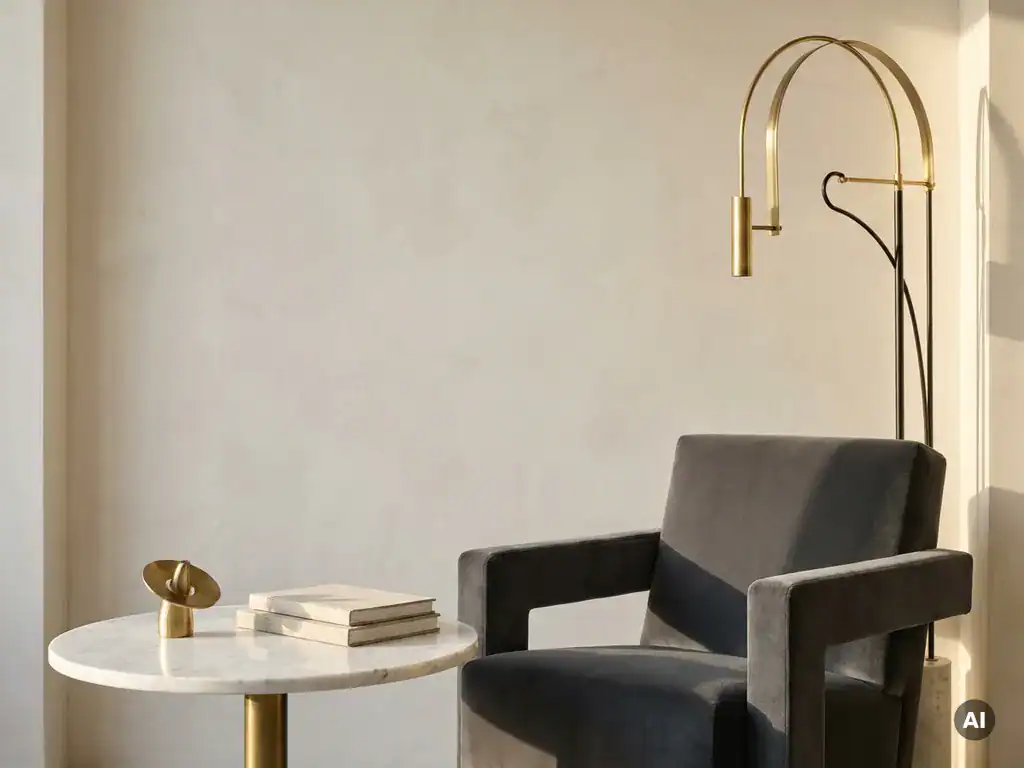
How can you discover your own interior design style, step by step?
Inspiration
You can discover your own interior design style by looking at what inspires you, what your surroundings reflect, and what kind of atmosphere you want to create at home. It’s not a matter of choosing a single style from a list, but of recognizing patterns in your own taste. In this article, we answer the most frequently asked questions about interior design styles, from identifying your style to making specific choices about furniture and accessories.
The most common interior design styles are modern, classic, Scandinavian, industrial, Japandi, organic, and glamorous. Each style has distinctive characteristics in terms of color, materials, and design language. Modern is characterized by clean lines and a subdued color palette, while classic relies on symmetry, rich fabrics, and elegant details that evoke a timeless elegance.
You can recognize them by paying attention to a few key elements:
If you know what to look for, it becomes much easier to identify and compare styles. Browse our collections to get a concrete idea of how different styles are reflected in furniture and accessories.
You’ll discover which interior design style suits you best by observing what consistently appeals to you—whether in other people’s homes, in magazines, on social media, or in showrooms. Make a note of the elements that resonate with you and look for recurring themes in color, materials, and atmosphere.
A well-thought-out approach works best. Ask yourself the following questions:
The answers to these questions will guide you toward a style that is not only visually appealing but also aligns with your lifestyle. A living room that you find pleasant and comfortable every day is always a better choice than an interior that looks impressive from a distance but doesn’t quite feel right in reality.
A timeless interior style is based on classic forms, a well-considered color palette, and materials with an intrinsic quality that remain beautiful for decades. A trendy style responds to current trends and may lose its appeal over time. The difference lies not in which is more beautiful, but in how a space evolves over the years.
Timeless styles such as classic, Scandinavian, and organic modern work so well because they leave room for personal touches without quickly going out of style. Think of a neutral base design with furniture in timeless shapes, complemented by trend-conscious accessories that you can easily update as your taste evolves.
The best way to incorporate trend-driven elements is to limit them to smaller pieces: a Cushion in a current color, a uniquely shaped vase, a mirror, or a lamp with character. This way, you can enjoy the latest trends without large, statement pieces ceasing to harmonize with the rest of the interior after a few years. There’s no definitive answer to the question of which interior style is timeless, but styles based on quality, proportion, and a limited color palette tend to stand the test of time the longest.
You can successfully combine multiple interior design styles by choosing one dominant style as a base and incorporating elements from other styles as accents. The key is a cohesive color palette that runs through all the styles, so that the space exudes a sense of unity despite the variety of shapes and materials.
Practical guidelines for a successful mix:
A combination of modern and classic works well because both styles emphasize quality and proportion. Industrial and organic styles complement each other through shared materials such as wood and metal. Avoid combinations in which the color palettes and design languages are completely at odds, as this undermines the tranquility and cohesion of a space.
You can find reliable living room inspiration through a combination of visual platforms, physical showrooms, and trade magazines. Platforms like Pinterest and Instagram quickly give you a broad overview of current styles, but the most valuable inspiration comes from actually seeing and feeling furniture and materials in a real space.
Here are the best sources for interior design inspiration:
Systematically save images that inspire you, and after a while, analyze what they have in common. That way, you’ll naturally see which style elements keep coming up and what truly suits you—rather than what just happened to catch your eye at the time.
You can translate your interior design style into furniture and accessory choices by starting with a mood board, then organizing your selections from large to small elements, and only then beginning your targeted search. Those who know which style suits them and which color palette they want make choices with greater confidence and are less likely to be swayed by the whims of the moment.
Follow these steps to make informed decisions:
If you want to know which pieces of furniture will complement your interior, always view them in person before making a decision. Bowl — you can only truly experience the feel of the materials and how a color looks under natural light in a real space. Discover the collection at a Richmond retailer near you and be inspired by the furniture and materials in a complete interior setting.
Discovering an interior design style is one thing, but truly bringing that style to life requires furniture and accessories that are coordinated in terms of materials, shapes, and finishes. Our selection includes collections in a wide range of styles—from organic modern and Japandi to glamorous and classic—so you can always put together a cohesive foundation that does justice to your own design vision.
Want to bring your interior design vision to life? Explore the collections online or visit a store near you to see the furniture and materials in person. Do you have a question or would you like more information? Contact us and we’ll be happy to help.
[seoaic_faq][{“id”:0,”title”:”Wat als ik meerdere stijlen mooi vind en geen keuze kan maken?”,”content”:”Dat is juist een goed teken: het betekent dat je een hybride smaak hebt die zich leent voor een mixed-style interieur. Kies in dat geval één stijl als dominante basis (minimaal zestig procent van de ruimte) en verwerk elementen van de andere stijlen als accent in accessoires en textiel. Maak een moodboard met al je favoriete beelden en zoek naar het kleurpalet en de materialen die steeds terugkomen — dat is je gemeenschappelijke noemer.”},{“id”:1,”title”:”Hoe voorkom ik dat mijn interieur er over een paar jaar gedateerd uitziet?”,”content”:”Investeer in grote meubels met tijdloze vormen en neutrale, kwalitatieve materialen zoals massief hout, natuursteen of bouclé, en reserveer trendgevoelige keuzes voor eenvoudig te vervangen stukken zoals kussens, vazen en wanddecoratie. Vermijd het om een complete kamer rond één hype-trend in te richten, want dat maakt de hele ruimte kwetsbaar voor veroudering. Een neutrale basis met wisselende accenten geeft je de flexibiliteit om mee te bewegen met je eigen smaak zonder grote herinvesteringen.”},{“id”:2,”title”:”Hoe begin ik als mijn huidige interieur een rommelige mix is zonder duidelijke stijl?”,”content”:”Begin niet met kopen, maar met schrappen: verwijder tijdelijk alle accessoires en kleine decoratieve elementen en beoordeel wat er overblijft. Zo zie je welke grote meubels de toon zetten en of die een gemeenschappelijke basis vormen. Vanuit die basis kies je bewust welke stukken je terugplaatst en welke je vervangt of wegdoet, zodat je stap voor stap toewerkt naar een samenhangende stijl in plaats van alles tegelijk te veranderen.”},{“id”:3,”title”:”Moet mijn interieurstijl in elke kamer hetzelfde zijn?”,”content”:”Nee, maar er moet wel een rode draad zijn die de ruimtes aan elkaar verbindt, zoals een terugkerend kleurpalet, dezelfde materialen of een vergelijkbare sfeer. Verschillende kamers mogen een eigen karakter hebben — een slaapkamer mag rustiger en intimer zijn dan een woonkamer — zolang de overgangen logisch aanvoelen en er geen harde stijlbreuk ontstaat. Gebruik vloerkleur, deurkozijnen of een doorgaand accent zoals een metaalsoort als verbindend element door het hele huis.”},{“id”:4,”title”:”Hoe weet ik of een meubel écht bij mijn stijl past voordat ik het koop?”,”content”:”Leg het meubel mentaal naast je moodboard: klopt het kleurpalet, past de vormentaal en sluit het materiaal aan op wat je al hebt? Bekijk het meubel bij voorkeur ook in het echt in een showroom, want schaal, kleur en materiaalgevoel zijn op foto’s vaak misleidend. Stel jezelf tot slot de vraag of je dit stuk ook over vijf jaar nog mooi zou vinden — als je twijfelt, is dat meestal een signaal om nog even te wachten.”},{“id”:5,”title”:”Wat zijn veelgemaakte fouten bij het inrichten van een interieur en hoe vermijd ik ze?”,”content”:”De meest voorkomende fouten zijn: meubels kopen zonder de ruimte op te meten, te veel kleine accessoires verzamelen waardoor de ruimte druk aanvoelt, en verlichting als bijzaak behandelen terwijl het juist sfeer en kleurperceptie sterk beïnvloedt. Vermijd impulsaankopen door altijd eerst een moodboard en een vaste volgorde te hanteren: vloer en wanden eerst, dan grote meubels, dan verlichting, en pas als laatste accessoires. Minder, maar bewuster gekozen stukken geven altijd een rustiger en stijlvoller resultaat.”},{“id”:6,”title”:”Kan ik mijn interieurstijl aanpassen zonder alles opnieuw te moeten inrichten?”,”content”:”Ja, en dat is vaak de slimste aanpak: grote meubels in neutrale, tijdloze vormen blijven bruikbaar in veel verschillende stijlrichtingen. Je kunt de sfeer van een ruimte ingrijpend veranderen door alleen de accessoires, het vloerkleed, de verlichting en de wandkleur aan te passen. Begin met het vervangen van kussens en decoratie, kijk hoe de ruimte aanvoelt en breid de aanpassingen stap voor stap uit — zo houd je controle over het eindresultaat en je budget.”}][/seoaic_faq]