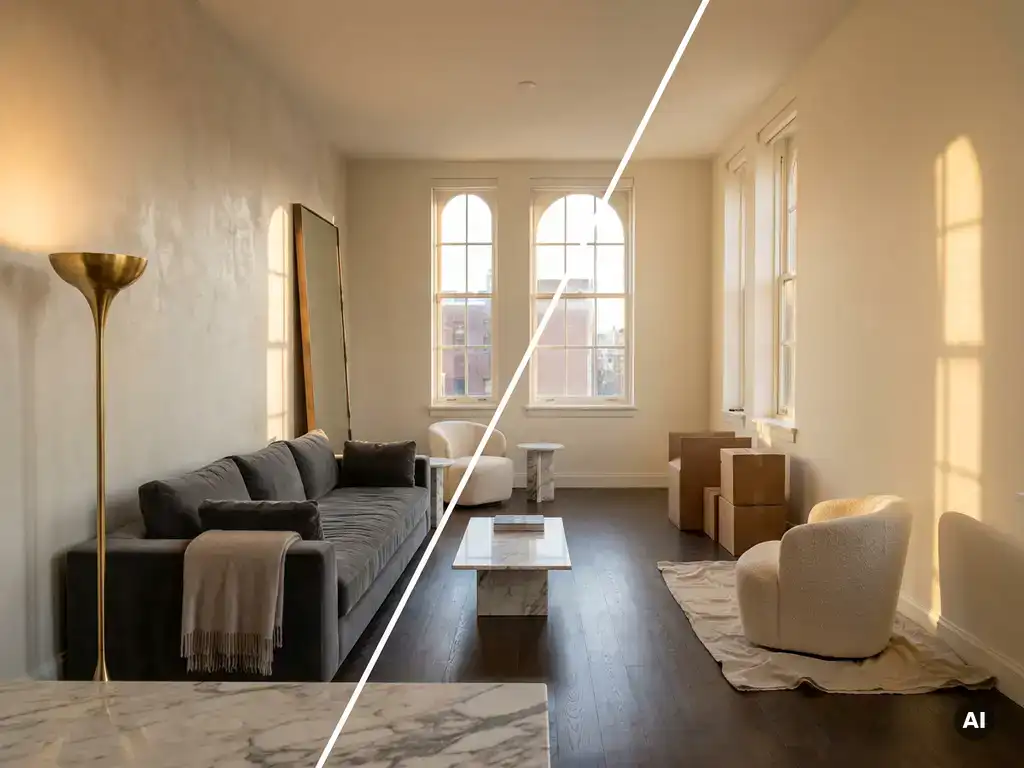
How do you decorate a living room if you have no idea where to start?
Inspiration
Designing a living room doesn’t start with a list of furniture, but with a feeling. The atmosphere you want to experience the moment you open the door. That feeling—whether warm and cozy, or light and airy—is the starting point for any well-designed interior. From that foundation, choices regarding materials, shapes, colors, and composition follow naturally. In this article, we answer the most frequently asked questions about decorating a living room, from choosing a style to adding the finishing touches with accessories.
Start by determining the atmosphere and function of the space. How do you use the living room on a daily basis: is it a place to relax, to entertain guests, or does the space serve multiple purposes at once? That function determines the layout, the choice of seating, and how light and materials are used. Only then should you start thinking about style, color, and finishes.
A good place to start is by measuring the space and sketching a floor plan. Mark windows, doors, and utility connections. This will help you see which walls have space for furniture, where walkways need to remain clear, and how light flows through the room throughout the day. The latter is more important than many people realize: the direction and intensity of daylight help determine which materials and colors will best showcase the room.
Then ask yourself three basic questions:
With those answers, you’ll have a concrete and substantive starting point, even if the rest of the interior design is still completely up in the air.
You don’t choose a style from a catalog—you recognize it. Look at what you already own, which interiors move you, and which materials keep appealing to you. Is it the warm, earthy tones of travertine and linen? The cool strength of dark wood combined with brass? Or the soft opulence of bouclé alongside polished marble? That sense of recognition is the essence of your style.
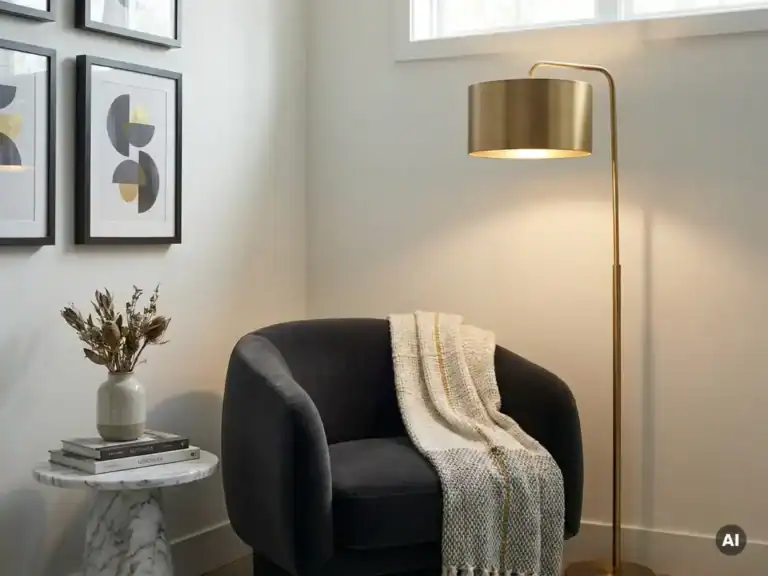
Timeless interiors typically use a limited palette of high-quality materials that complement each other—not by piling them on, but by thoughtfully employing contrast and texture. A matte lime wash next to the glossy surface of a brass lamp. A coarse linen pillow cover next to the velvety-soft seat of an armchair. This interplay gives an interior depth and character.
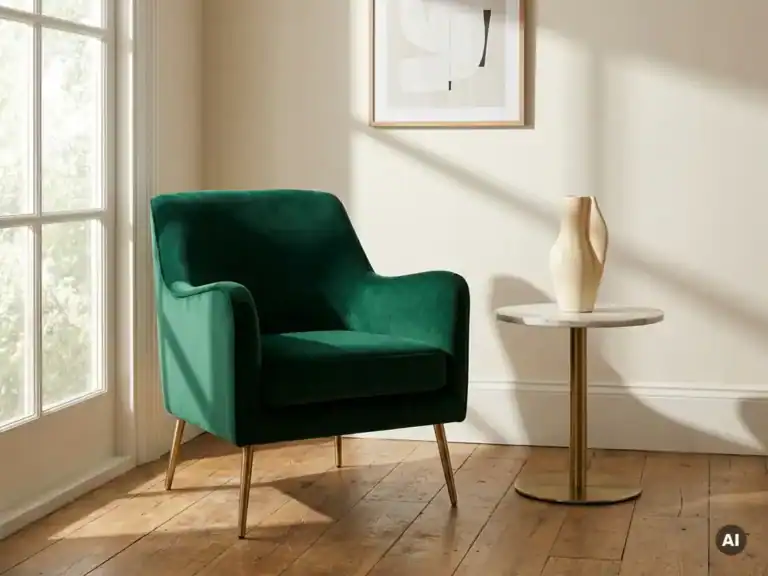
Styles such as hotel chic, organic living, and classic contemporary are timeless because they aren’t dependent on trends. They are built around an understanding of materials and proportions, not around seasonal color palettes. An interior in the hotel chic style—as interpreted by Richmond Interiors in its collections—is characterized by rich textures, warm metallic accents, and furniture with a distinct silhouette. Organic living, on the other hand, seeks a connection with nature: natural stone, wood with visible grain, earth tones, and organic shapes without sharp corners.
You can gather living room inspiration through platforms like Pinterest or by visiting showrooms and Experience Centers. Don’t just focus on what appeals to you visually, but also on how a particular combination of materials and light makes you feel. Which textures keep coming back? Which color combinations give you a sense of calm or energy? That pattern tells you more about your style than any mood board ever could.
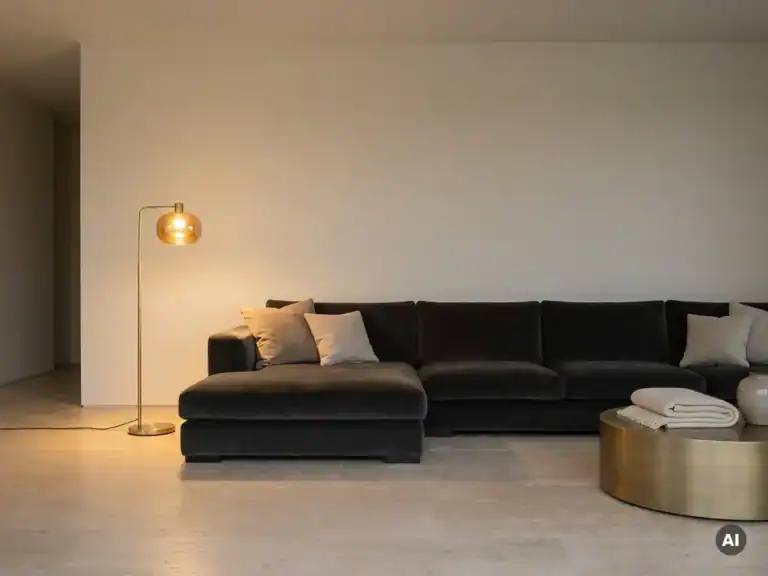
The core of a living room consists of three elements: a seating piece, a coffee table, and storage space. Everything else is a refinement. Start with these anchor pieces and build from there, letting the proportion between the furniture and the floor space guide you. A Sofa that’s too large for the space makes the room feel cramped; a seating piece that’s too small makes the space feel empty and unfinished.
Bowl , and the silhouette of each piece of furniture define the look of a space just as much as color does. A Sofa with a low, wide profile creates a sense of horizontal calm. A tall sideboard with slender legs draws the eye upward and adds vertical tension to the space. It is this deliberate use of form that elevates an interior from ordinary to refined.
A well-thought-out order for arranging a living room:
The best way to evaluate materials and finishes is in person. The texture of a polished marble countertop, the resilience of a bouclé seat, or the warmth of a solid wood frame—these are qualities you can only truly experience when you touch them. A visit to showroom or Experience Center provides insights that no online image can convey.
You can make a small living room feel more spacious by thoughtfully using light, air, and proportions. The more light the space reflects and the more floor remains visible, the more spacious the room feels. This starts with the choice of materials: light, matte surfaces absorb less light than dark or glossy ones, but a strategically placed reflective element—such as a large mirror with a bold frame—can visually double the size of the room.
Specific design choices that work:
Avoid busy patterns on large surfaces, such as sofas or rugs, in smaller rooms. They compete with the architecture and make the space feel heavier. Instead, opt for subtle textural variations—a woven Carpet, a textured cushion fabric—that add depth without being overpowering.
A timeless interior is built on a neutral foundation: off-white, shades of sand, “ taupe ,” or warm gray as a base, complemented by materials and accents that give the space character. That neutrality is not a lack of ambition—it is a conscious choice that draws attention to texture, form, and light rather than to color as the dominant element.
Warm earth tones feature prominently in contemporary interiors. Terracotta, ochre, and camel work particularly well in combination with brass or gold details, because metallic accents capture and enhance the warm light in the space. The result is an interior that feels rich without feeling heavy—a balance that requires precision in the proportions.
When choosing colors, take the lighting into account:
Using color in a premium interior doesn't mean avoiding it, but rather using it sparingly. A single bold accent color—in a Cushion, a vase, or a wall panel—is more expressive than an entirely colored room.
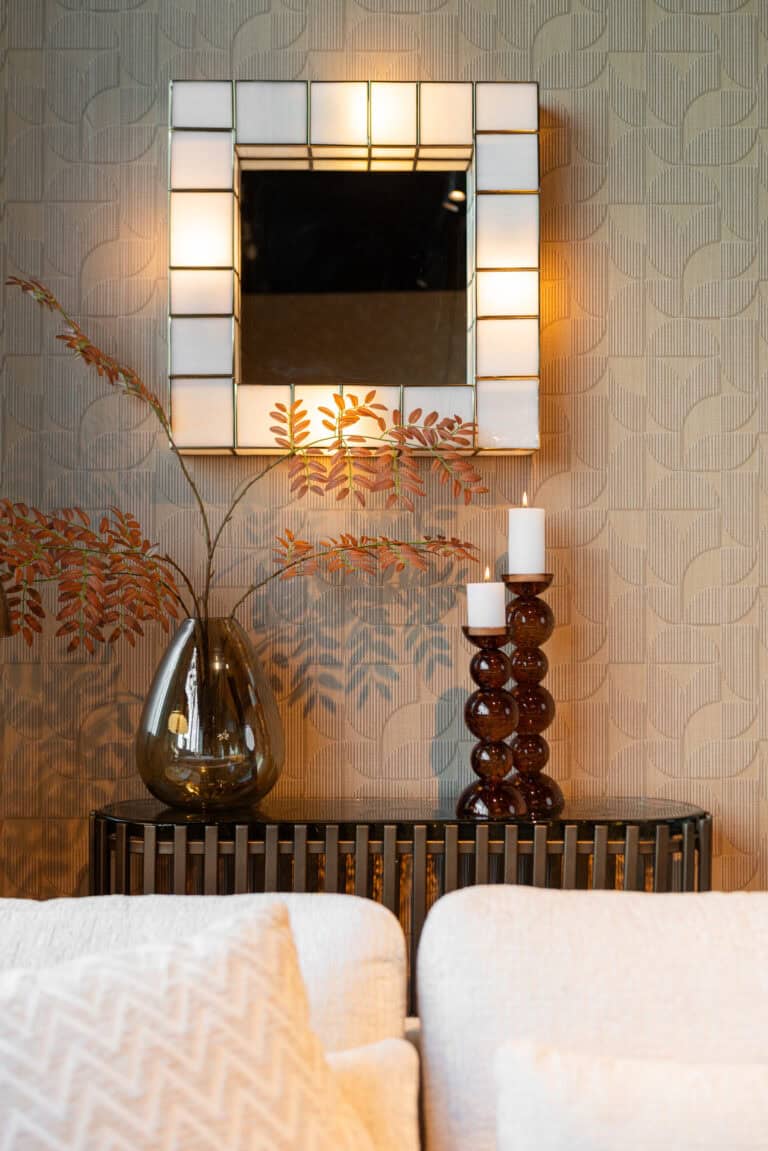
Accessories aren’t just an afterthought—they’re the layer that elevates an interior from functional to meaningful. Pillows, rugs, lighting, mirrors, vases, and decorative objects visually tie the furniture together and give the space its own voice. Without that layering, even a carefully curated interior feels incomplete.
A well-thought-out approach is the layered method: start with a Carpet that visually anchors the seating area, then add textiles through pillows and a throw in complementary textures, and work your way toward decorative accents on the table or cabinet. This way, you build up the space from large to small, from structure to detail.
Things to keep in mind when choosing accessories:
It’s better to choose a limited number of pieces with character than a multitude of objects that compete with one another. In a premium interior, what you leave out is just as important as what you add.
Richmond Interiors creates collections for those who want to design an interior with character, an understanding of materials, and a distinctive design language. From Sofa to mirrors, from coffee tables to floor lamps—the collections are designed to work together, in styles ranging from hotel chic to organic living. Each piece is an invitation to think beyond the individual piece of furniture and consider the whole.
What sets Richmond Interiors apart:
Would you like to see the collections in person? Browse our furniture collections for inspiration, find an official Richmond dealer near you, or contact us for more information.
[seoaic_faq][{“id”:0,”title”:”Hoe bepaal ik een budget voordat ik begin met het inrichten van mijn woonkamer?”,”content”:”Begin met het verdelen van je totaalbudget over drie categorieën: grote meubels (±60%), kleinere meubels en opberging (±25%), en accessoires en textiel (±15%). Koop bewust liever minder, maar kwalitatief betere basisstukken — een goede bank gaat tientallen jaren mee en is de investering waard. Accessoires en kussens kun je later altijd aanvullen of vervangen zonder grote kosten.”},{“id”:1,”title”:”Wat is de meest gemaakte fout bij het inrichten van een woonkamer?”,”content”:”De meest voorkomende fout is meubels kopen zonder eerst de ruimte op te meten of een plattegrond te maken. Dit leidt tot meubels die te groot of te klein zijn voor de ruimte, of die looproutes blokkeren. Een tweede veelgemaakte fout is te snel accessoires kopen voordat de basismeubels bepaald zijn, waardoor de stijl niet samenhangt.”},{“id”:2,”title”:”Hoe combineer ik bestaande meubels met nieuwe aankopen zonder dat het rommelig oogt?”,”content”:”Kies een verbindend element dat zowel in je bestaande meubels als in de nieuwe stukken terugkomt, zoals een kleur, materiaal of stijlkenmerk. Denk aan een gouden poot op een bestaande lamp die je terugbrengt in een nieuwe salontafel. Gebruik textiel zoals kussens en een vloerkleed als visuele brug tussen oude en nieuwe stukken — ze verbinden verschillende stijlen op een natuurlijke manier.”},{“id”:3,”title”:”Hoe zorg ik voor de juiste verlichting in mijn woonkamer?”,”content”:”Werk met meerdere verlichtingsniveaus: plafondverlichting voor algemeen licht, vloer- en tafellampen voor sfeerverlichting, en spotlights of wandlampen voor accenten. Eén lichtbron midden op het plafond maakt een ruimte plat en ongezellig. Door lampen op verschillende hoogtes te plaatsen en te dimmen creëer je een warme, gelaagde sfeer die past bij elke gelegenheid.”},{“id”:4,”title”:”Kan ik verschillende stijlen combineren in één woonkamer, of moet ik één stijl aanhouden?”,”content”:”Verschillende stijlen combineren kan zeker — het heet dan ‘mixed living’ en is juist een manier om een persoonlijk en uniek interieur te creëren. De sleutel is om één dominante stijl als basis te nemen en elementen van een andere stijl spaarzaam toe te voegen als accent. Zorg dat er altijd een verbindend element is, zoals een terugkerende kleur of materiaal, zodat de ruimte samenhangend blijft.”},{“id”:5,”title”:”Hoe weet ik of een meubel kwalitatief goed genoeg is voor de lange termijn?”,”content”:”Let op het frame van banken en stoelen — massief hout of staal gaat langer mee dan spaanplaat of kunststof frames. Controleer ook de afwerking: naden, stiknaden en scharnieren verraden veel over de kwaliteit. Een bezoek aan een showroom of Experience Center is de beste manier om dit te beoordelen, omdat je de materialen dan echt kunt aanraken en de constructie van dichtbij kunt bekijken.”},{“id”:6,”title”:”Hoe pas ik mijn woonkamerinrichting aan als mijn levenssituatie verandert, bijvoorbeeld bij een verhuizing of een groeiend gezin?”,”content”:”Kies basismeubels die tijdloos en flexibel zijn, zodat ze meegaan naar een nieuwe woning of passen bij een nieuwe levensfase. Modulaire banken zijn bijvoorbeeld uitbreidbaar en herindeelbaar. Pas je inrichting stapsgewijs aan via accessoires en textiel — die zijn eenvoudig te vervangen — voordat je overgaat tot nieuwe grote aankopen.”}][/seoaic_faq]