How do I create a chic, hotel-style living room?
Inspiration
You can create a chic, hotel-style living room by using a cohesive combination of rich materials, refined furniture, and layered lighting that exude tranquility and grandeur. The atmosphere of a luxury hotel isn’t created by a single statement piece, but by the way all the elements come together to form a coherent whole. In this article, we answer the most frequently asked questions about designing a hotel-style living room.
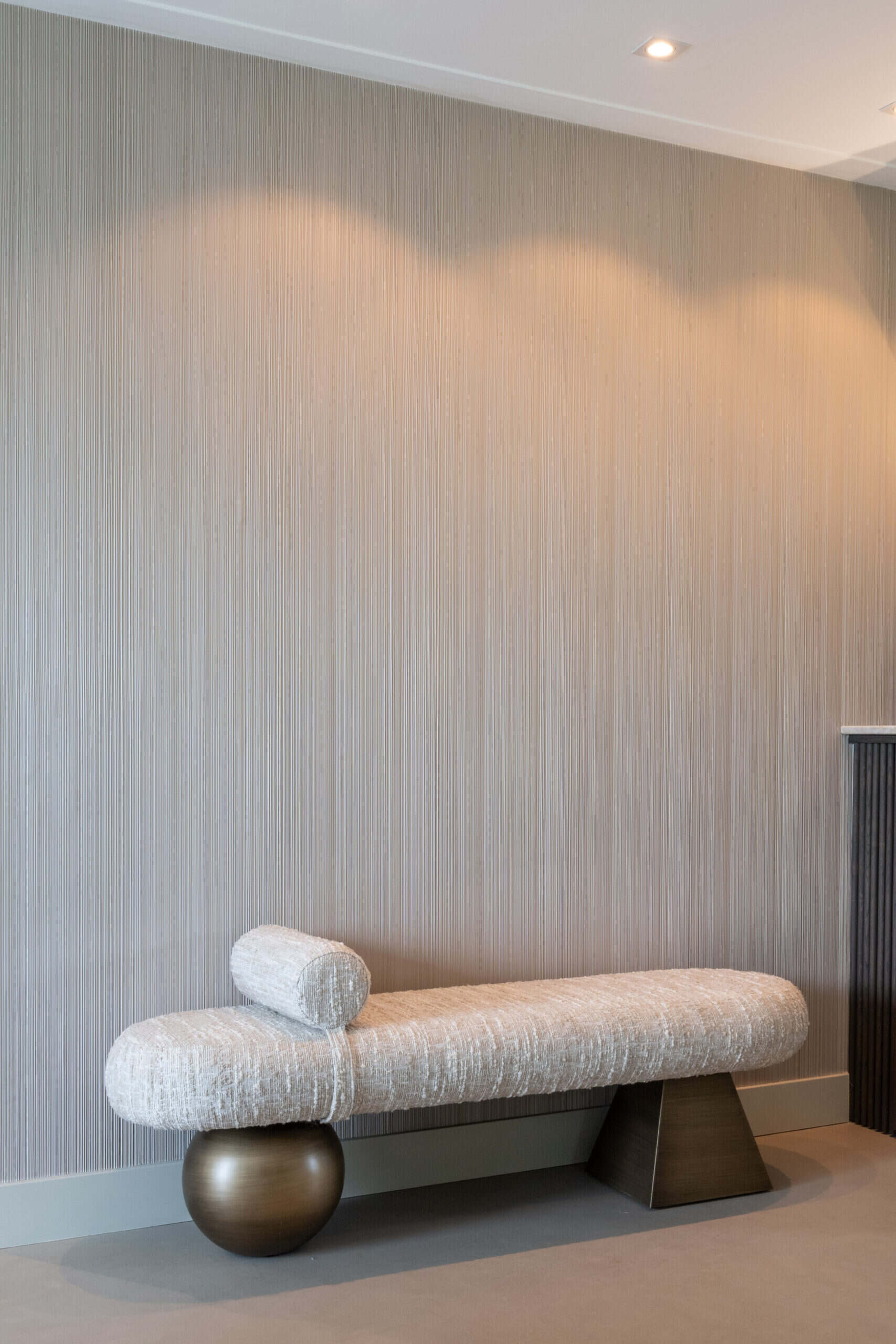
A chic hotel living room calls for a palette of off-whites, deep taupe, soft gray, and warm earth tones, combined with materials such as natural stone, velvet, bouclé, and brass. This combination creates the subdued richness characteristic of the finest hotel interiors, where every surface contributes to a sense of depth and sophistication.
Materials play a decisive role in the ambiance of a space. Travertine, for example, has a softer and more organic character than polished marble. While marble can feel cool and sharp, travertine exudes warmth thanks to its matte texture and subtle variations in tone. Combine that with velvet or bouclé upholstery, and you create an interplay of textures that makes the space both sensual and understated.
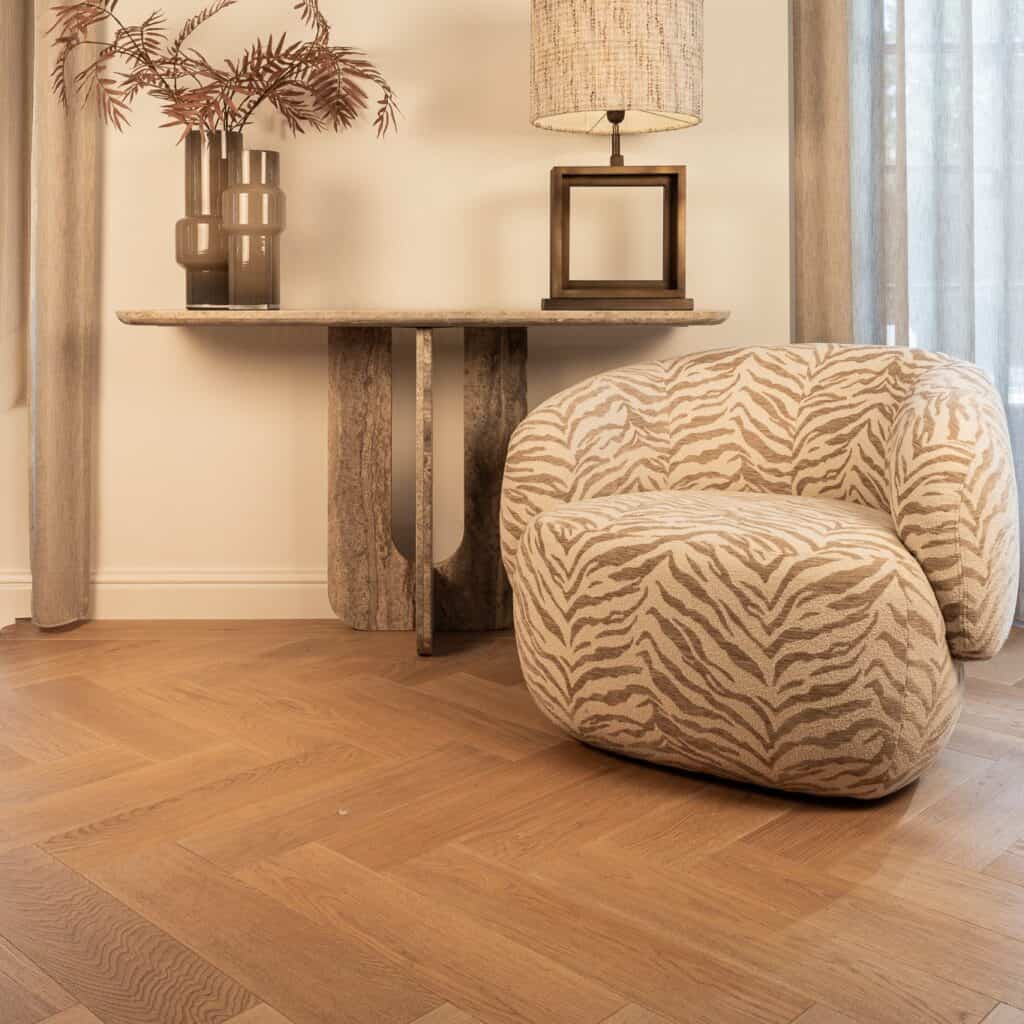
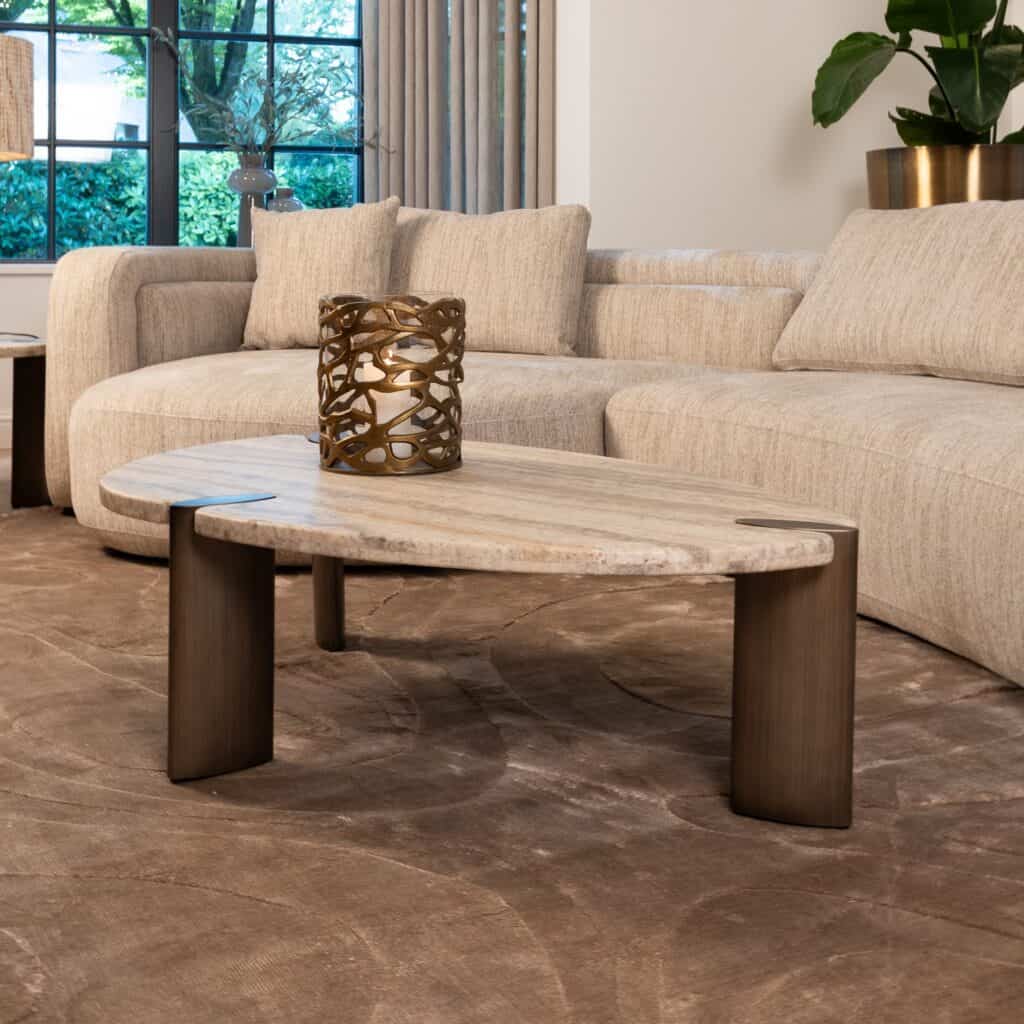
Gold and brass accents reflect light in a way that makes the space feel warmer and more profound. They serve as visual focal points without disrupting the overall sense of calm. A travertine-look tabletop next to a sofa upholstered in a warm fabric and a lamp with a brass base: that’s the language of the hotel’s design studio translated into the living room.
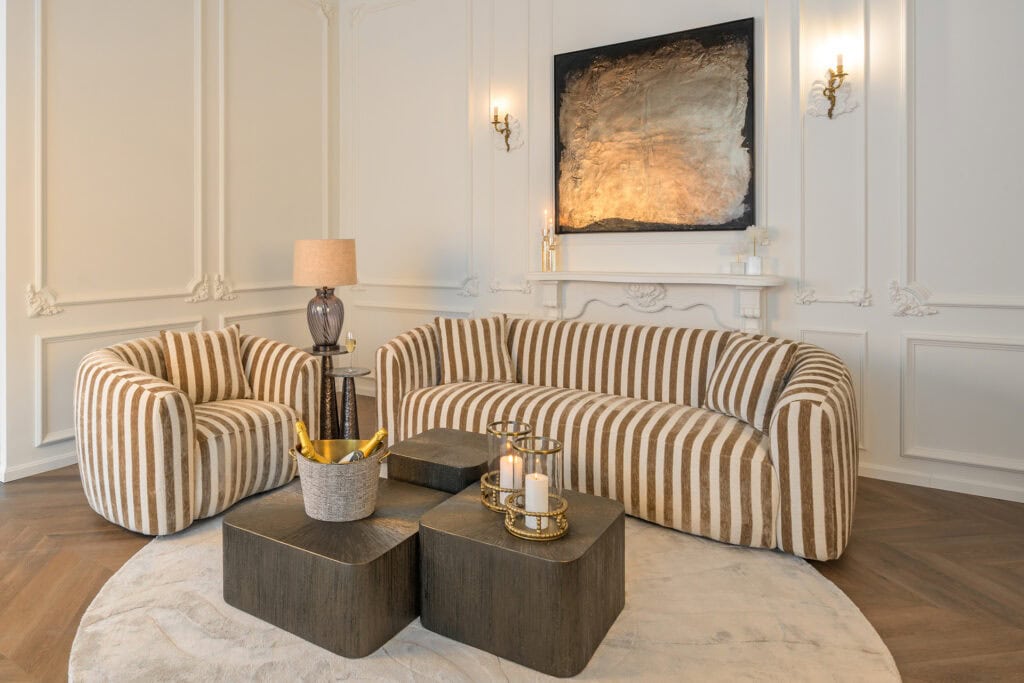
For a chic hotel interior, the most defining pieces of furniture are a well-proportioned sofa with a sleek or organically curved silhouette, a stately coffee table, an elegant sideboard, and at least one accent chair. Each piece should stand on its own, yet at the same time be part of a larger whole.
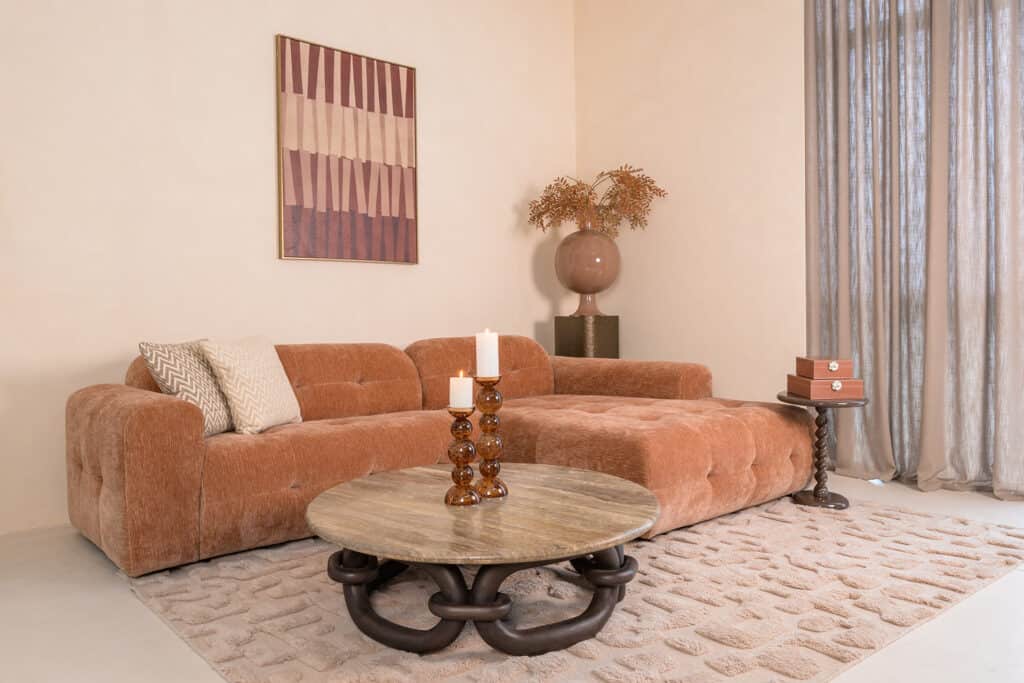
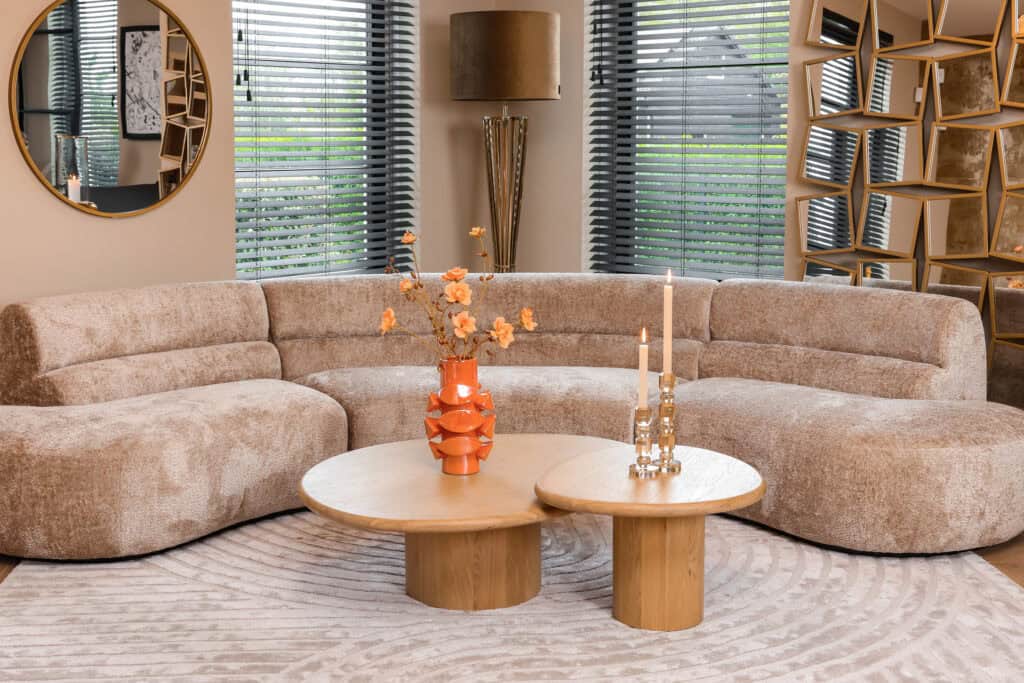
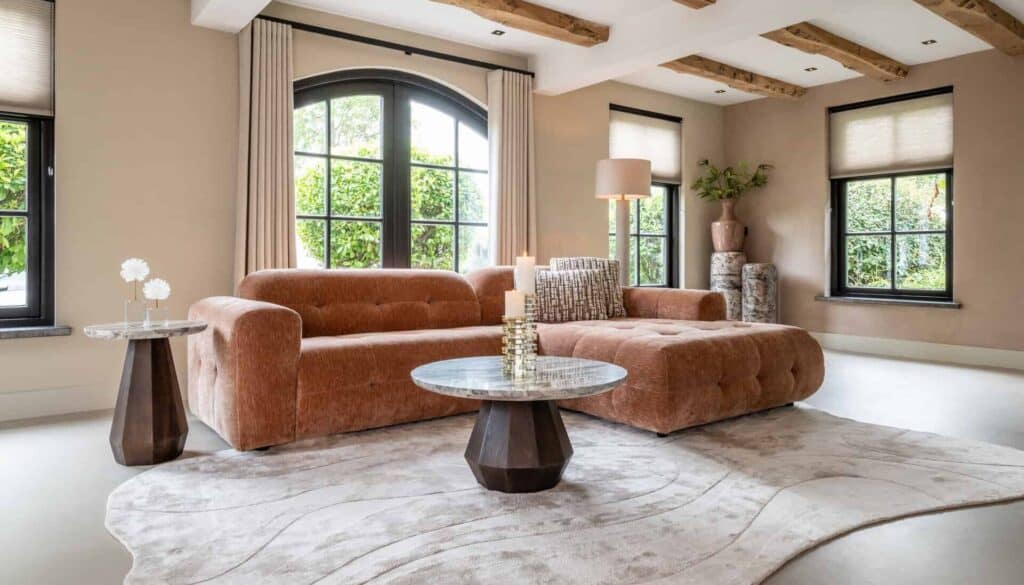
The sofa is the focal point of the living room and largely sets the tone for the interior. Choose a model with a deep seat and upholstery that features texture: velvet that catches the light, or a woven fabric with a subtle relief. The shape can be bold, but the lines should remain understated.
A coffee table made of natural stone or with a natural stone look adds weight and character to the composition. Undulating shapes, such as those found in the Dulce collection from our line, bring an organic rhythm to the space that contrasts with the straight lines of the walls and floors. That contrast is exactly what makes an interior interesting.
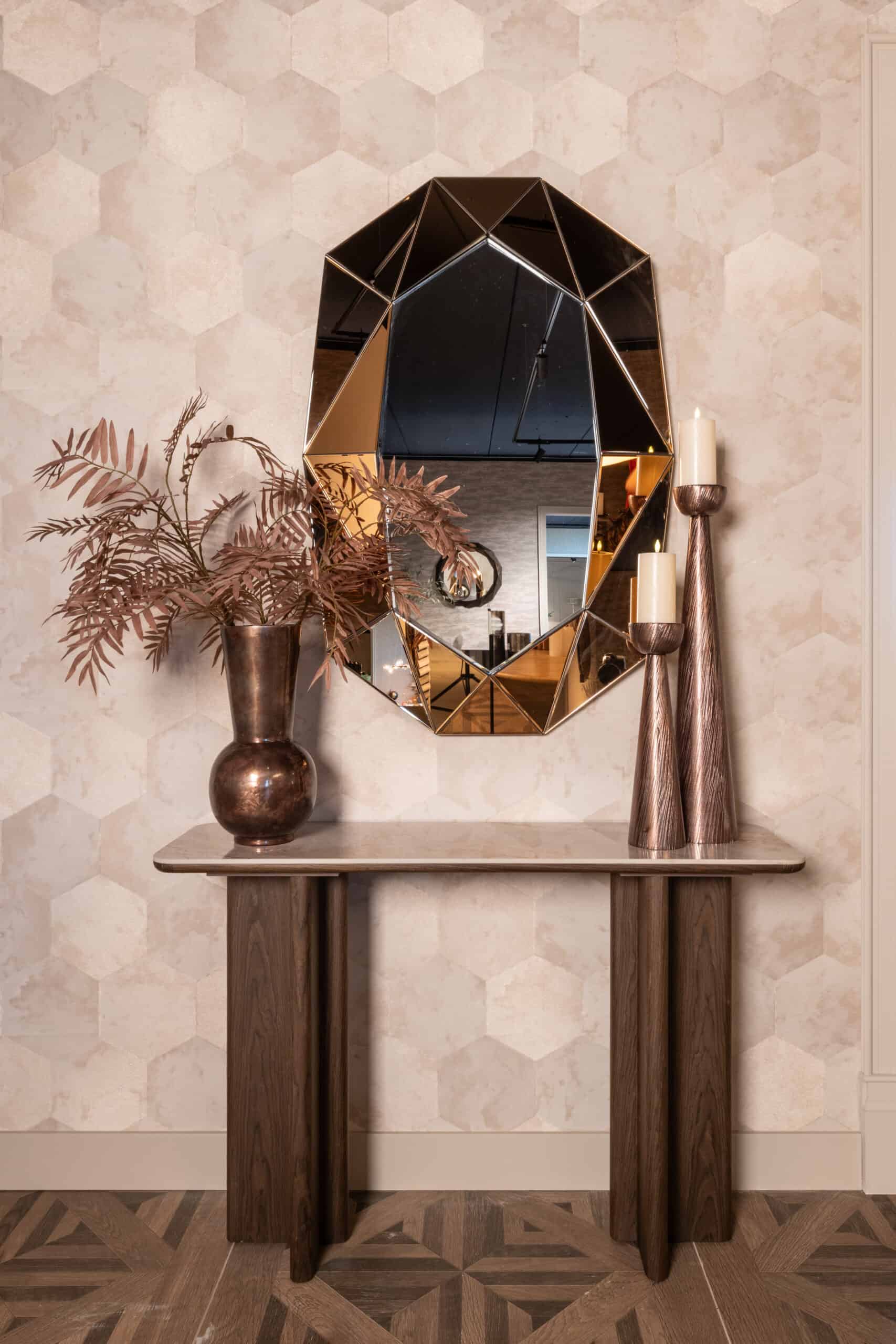
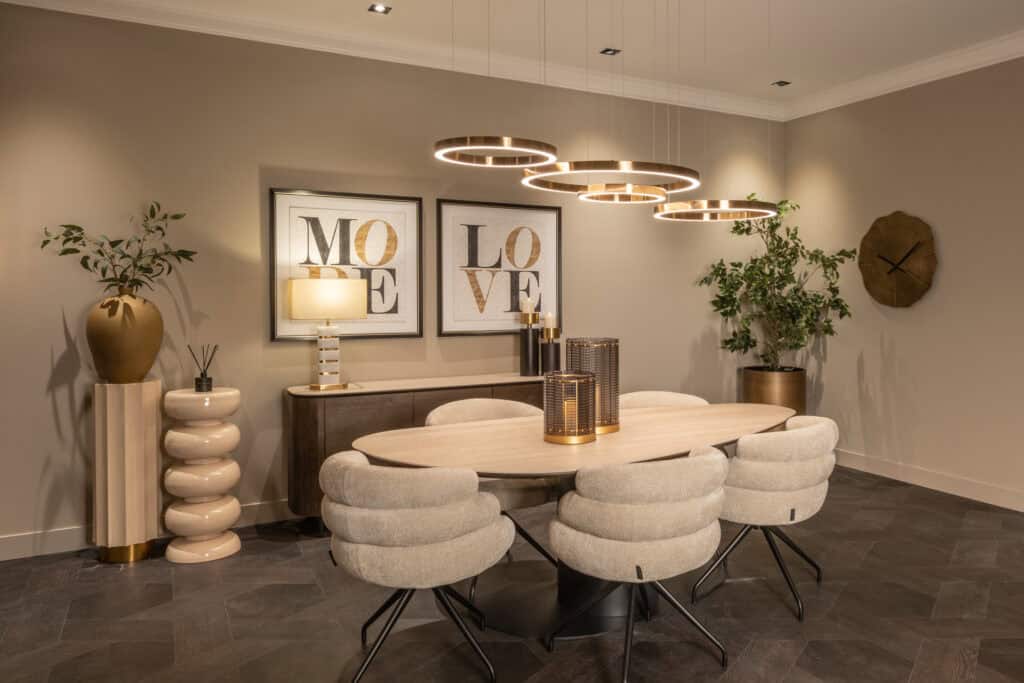
A sideboard with a refined finish not only provides storage space but also offers an opportunity to add depth and a horizontal line to the room. Pair it with a mirror above it to reflect light and visually enlarge the space.
Layered lighting—combining ceiling lights with floor lamps, table lamps, and wall sconces—is the key to creating a luxurious hotel atmosphere. No single light source can do the job on its own: the interplay of light sources at different heights gives the space depth and warmth.
In the best hotel lobbies and suites, you’ll never see a single central light source illuminating the entire space. Instead, there are zones of light that divide the space into atmospheric islands. A floor lamp next to the sofa, a table lamp on the sideboard, and a pendant lamp above the coffee table: together, they create an interior that adapts to the time of day.
The color temperature of the light is just as important as its placement. Warm white light, around 2,700 to 3,000 Kelvin, gives a space the golden glow associated with luxury and comfort. Cool white light has a functional character that immediately disrupts the hotel’s atmosphere.
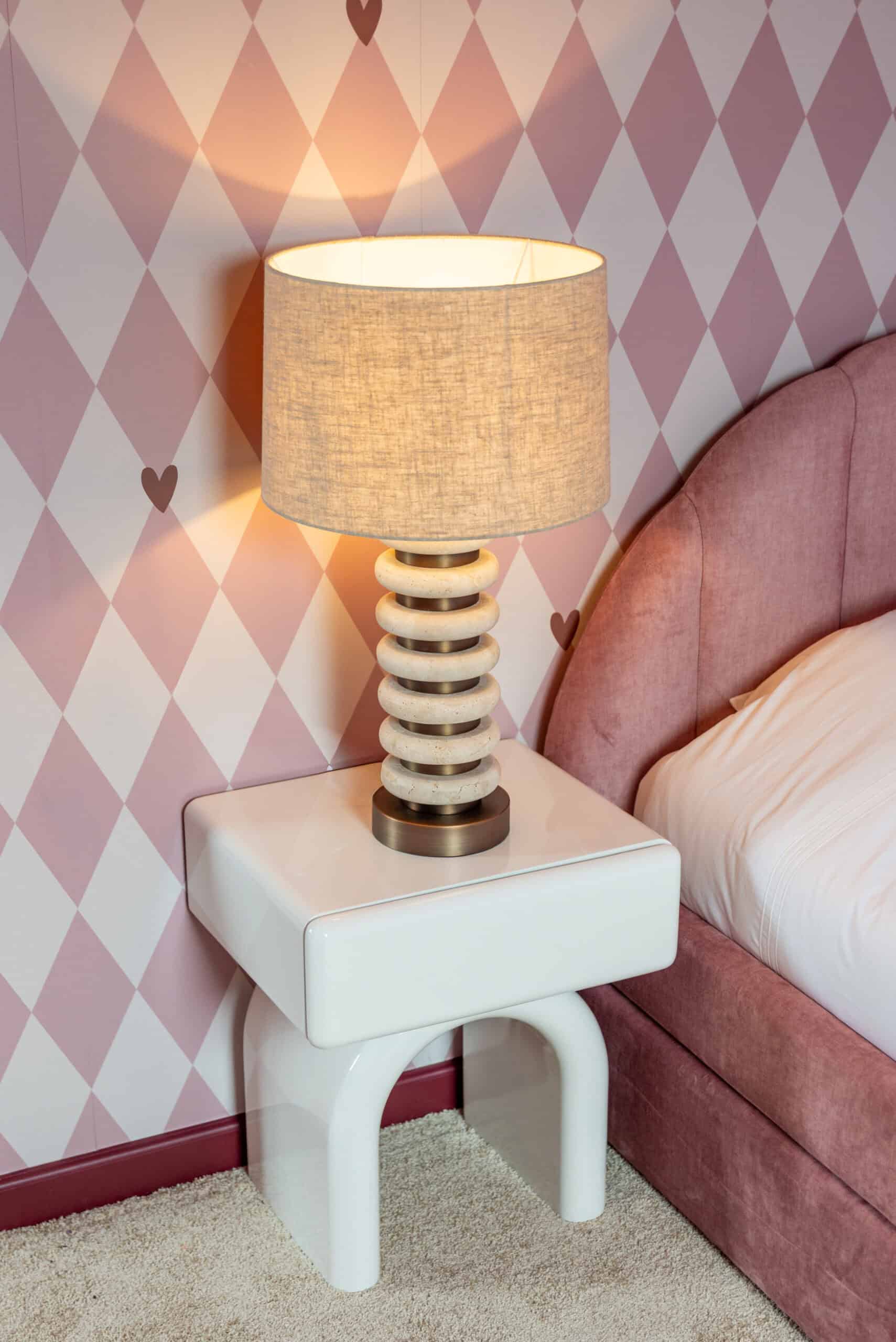
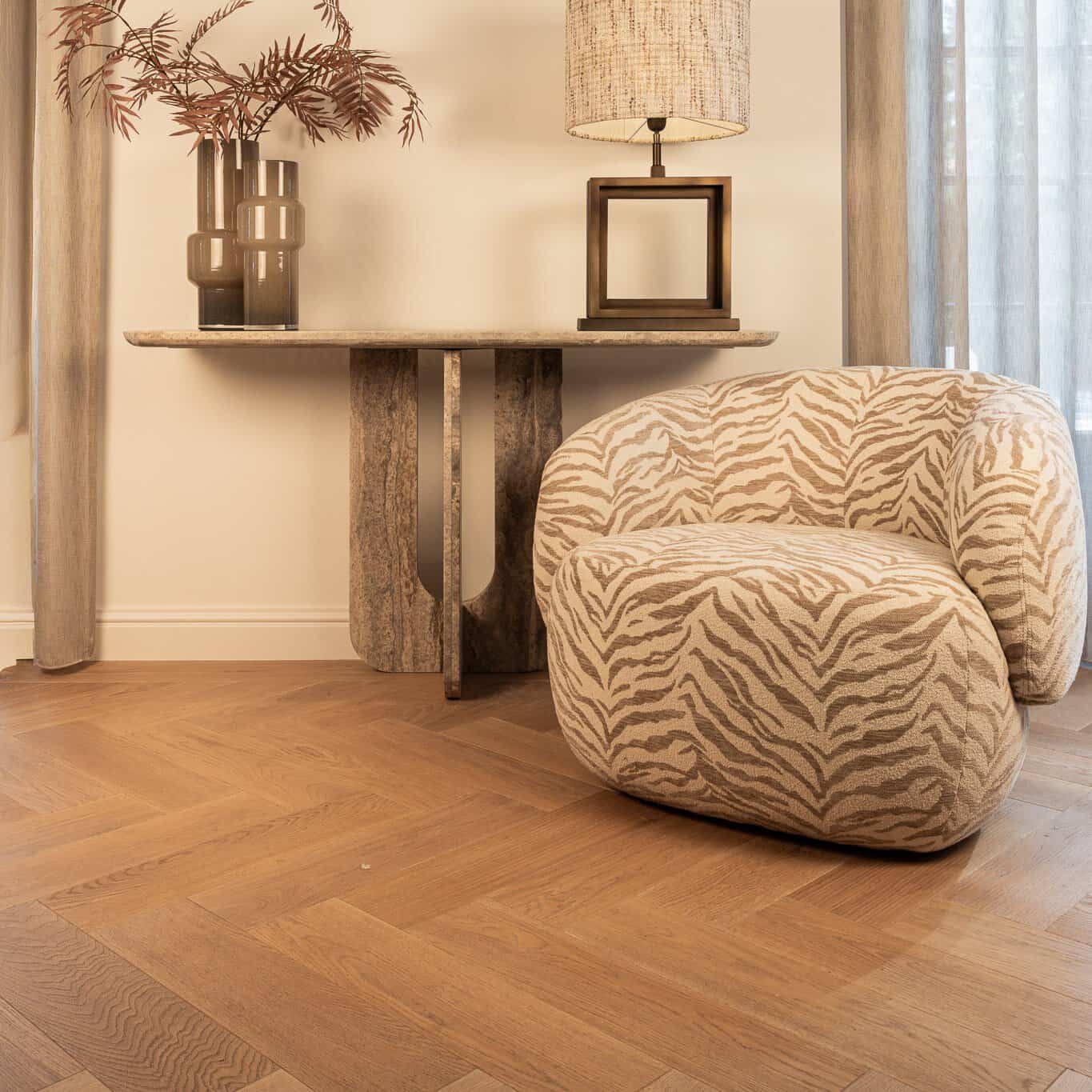
Choose light fixtures with a style that complements the rest of the interior. A lamp with a brass base and a linen shade brings together the worlds of warm light and warm materials in a way that makes the space feel like a cohesive whole.
The difference between a chic hotel interior and a mere luxury interior lies in the discipline of composition. A luxury interior may feature rich materials and expensive furniture without any sense of cohesion. A chic hotel interior always conveys a sense of careful selection: every element is deliberately chosen and contributes to an overarching atmosphere of tranquility and grandeur.
A hotel interior exudes an almost theatrical calm. There is space between the furniture, the color palette is cohesive, and decorative elements are placed sparingly but effectively. There is no visual clutter. That is the key difference from an interior that, while it may contain expensive pieces, lacks a coherent visual language.
A chic hotel also calls for a certain Bowl. Furniture can be large and imposing, but it must be in proportion to the space. A sofa that’s too small in a large room detracts from the grandeur. A well-proportioned piece of furniture that fills the space without dominating it: that is the balance a hotel design studio strives for.
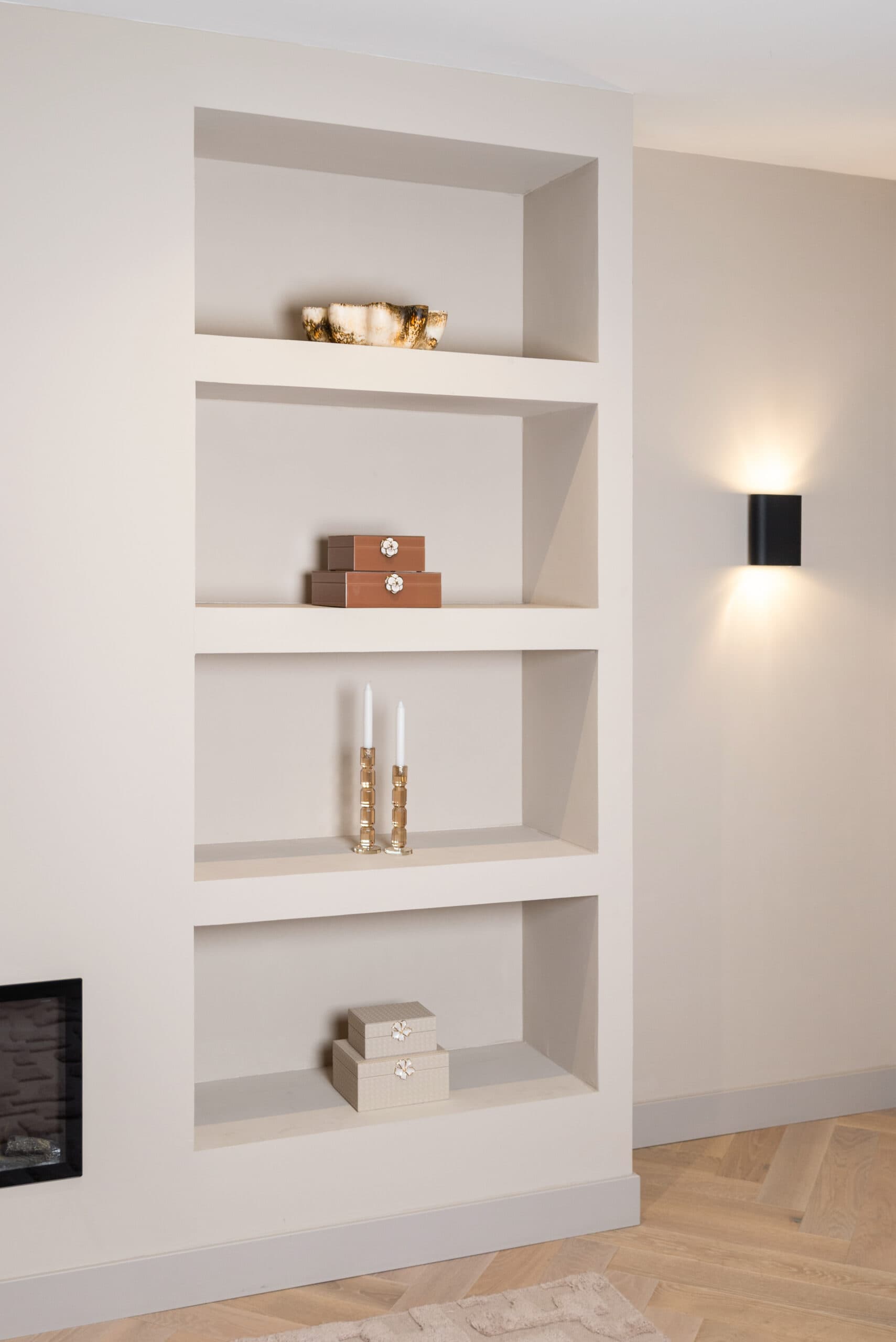
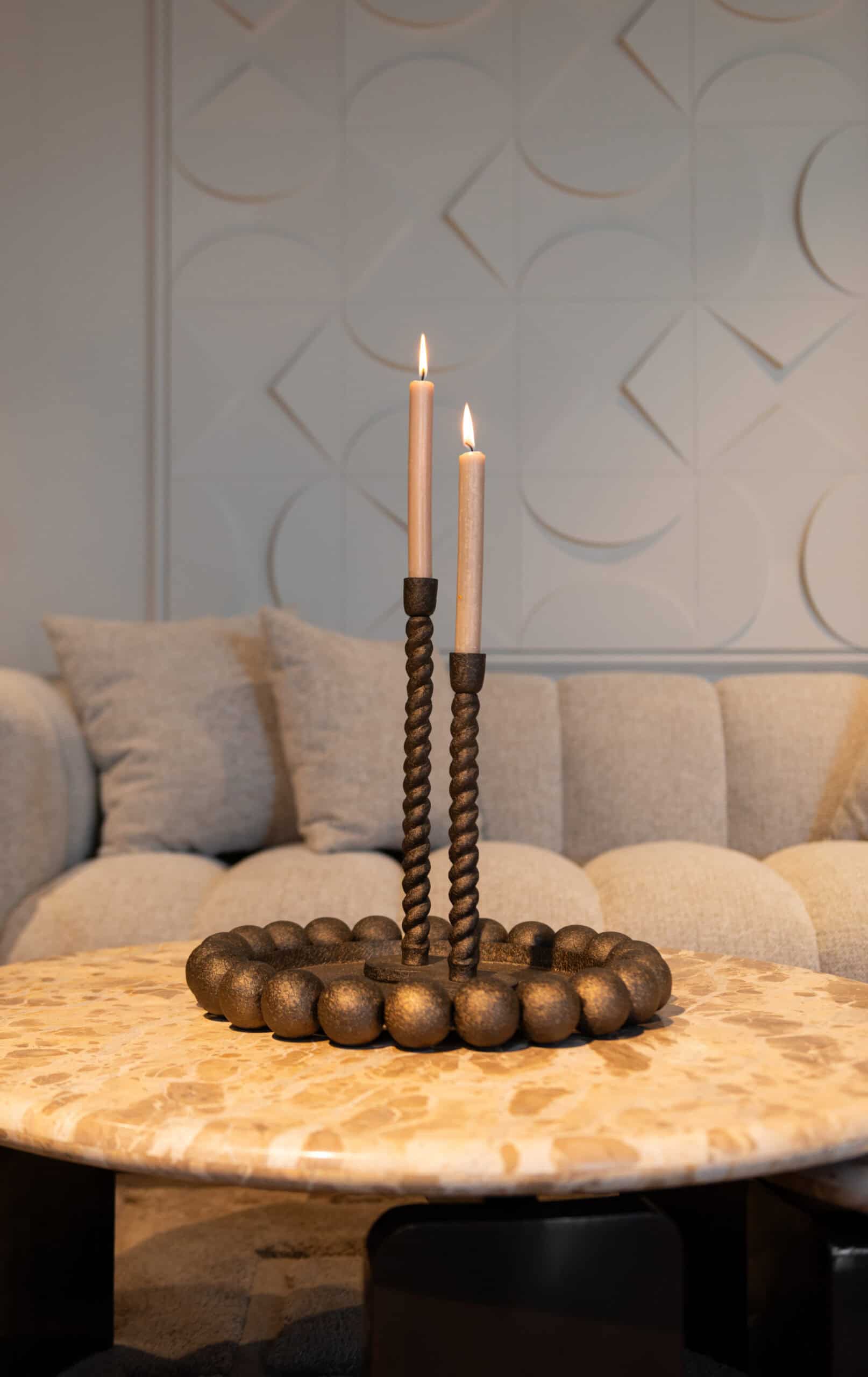
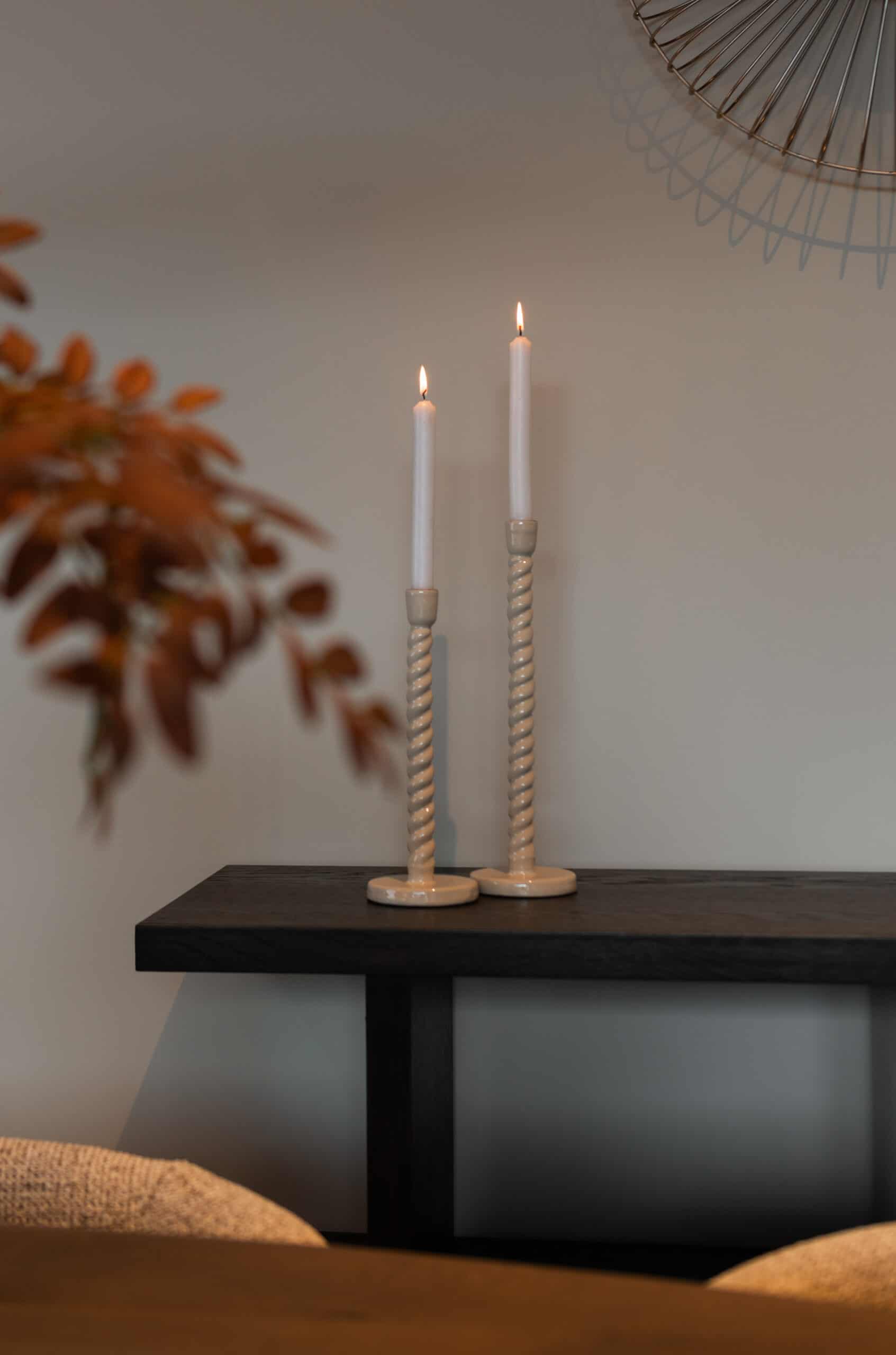
A chic hotel living room calls for accessories that make an impact without being overpowering: large vases in earth tones or with a matte finish, sculptures with organic shapes, brass or bronze candleholders, and art books carefully stacked on the coffee table. Less is more, but every piece should be there for a reason.
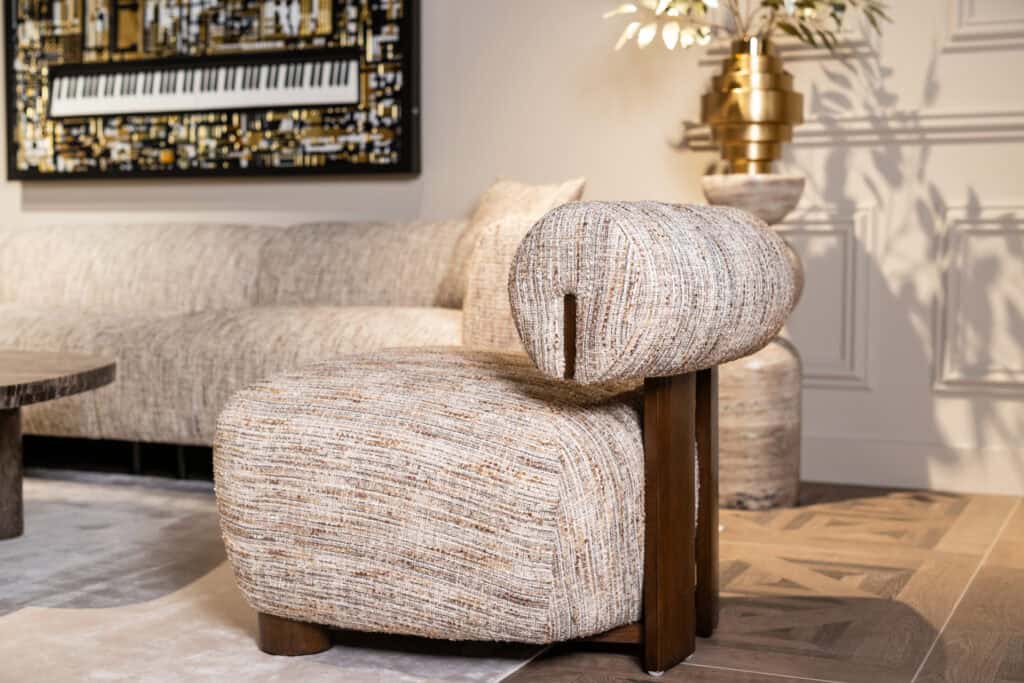
Pillows and throws made of rich fabrics are the easiest way to add texture and color to a sofa or armchair. Choose materials that feel like they have substance: a thick, woven throw, a velvet “ Cushion ” with a subtle embossed pattern. Combining different textures within a limited color palette adds depth to the space without creating a cluttered look.
In a chic hotel interior, mirrors are more than just decoration: they reflect light, make the space appear larger, and add an architectural element. A large mirror with a slim frame in “ gold ” or brass acts as a subtle enhancer of everything that’s already beautiful in the room.
Flowers and greenery are definitely welcome, but choose an arrangement that fits the style. A single large arrangement of branches in a tall vase does more to set the mood than a bunch of small floral arrangements scattered throughout the room.
A chic hotel living room remains timeless by investing in furniture and materials with a classic foundation and limiting trend-sensitive elements to replaceable accessories. The large pieces—such as the sofa, coffee table, and sideboard—should have a longer design lifespan than the decorative elements surrounding them.
Trends in interior design come and go, but the basic principles of a chic hotel interior remain largely unchanged. Natural materials, a restrained color palette, layered lighting, and furniture with clean lines have remained relevant for decades. The way you combine these elements may be contemporary, but the elements themselves do not have to be.
Choose materials that become more beautiful over time rather than aging. Travertine develops character. Velvet takes on a richer luster with use. Brass develops a patina that adds depth to the interior. These are the choices that allow a living room to retain its charm over the years.
We develop collections that bring the design language of the finest hotel interiors into the living room. Our approach combines craftsmanship, expertise in materials, and a keen sense of timeless aesthetics. Specifically, we offer:
Would you like to bring the hotel-chic living room you have in mind to life? Visit an authorized retailer near you or explore the collections on our website at Experience Center. If you have any questions, please feel free to contact us.