Which materials create a timeless look?
Inspiration
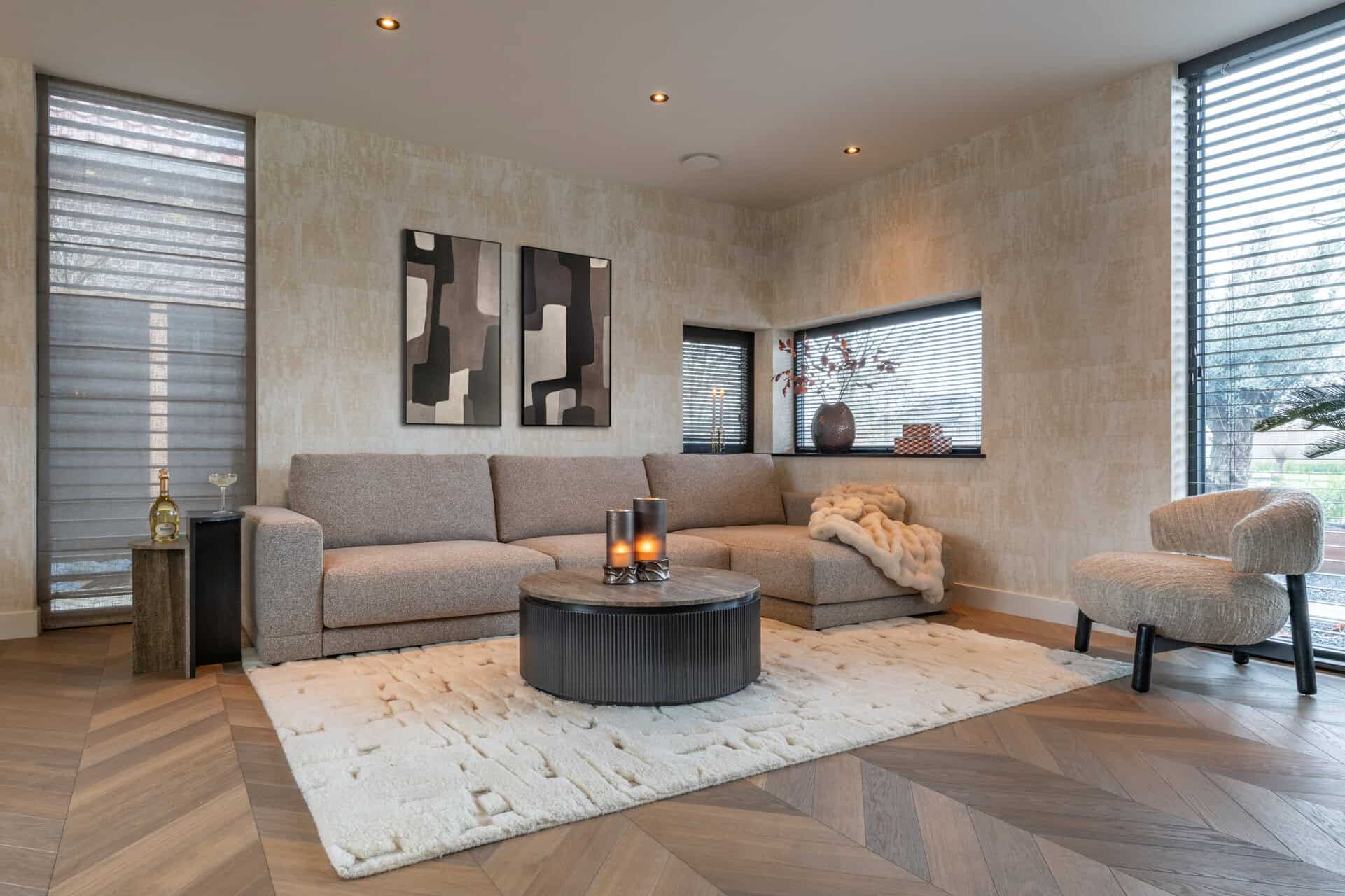
Materials that create a timeless look include natural stone, solid wood, metal, and high-quality fabrics such as velvet and bouclé. What these materials have in common is that they retain their character over the years, even as trends change. In this article, we answer the most frequently asked questions about timeless materials in interior design, from selection to pairing.
A timeless material combines visual tranquility with physical durability. It has an aesthetic that is not tied to a specific period or style movement, and it responds to light, texture, and its surroundings in a way that enriches the space rather than dominating it. Timeless materials are also versatile enough to work well in a wide variety of interior design styles.
Specifically, you can recognize a timeless material by a number of characteristics:
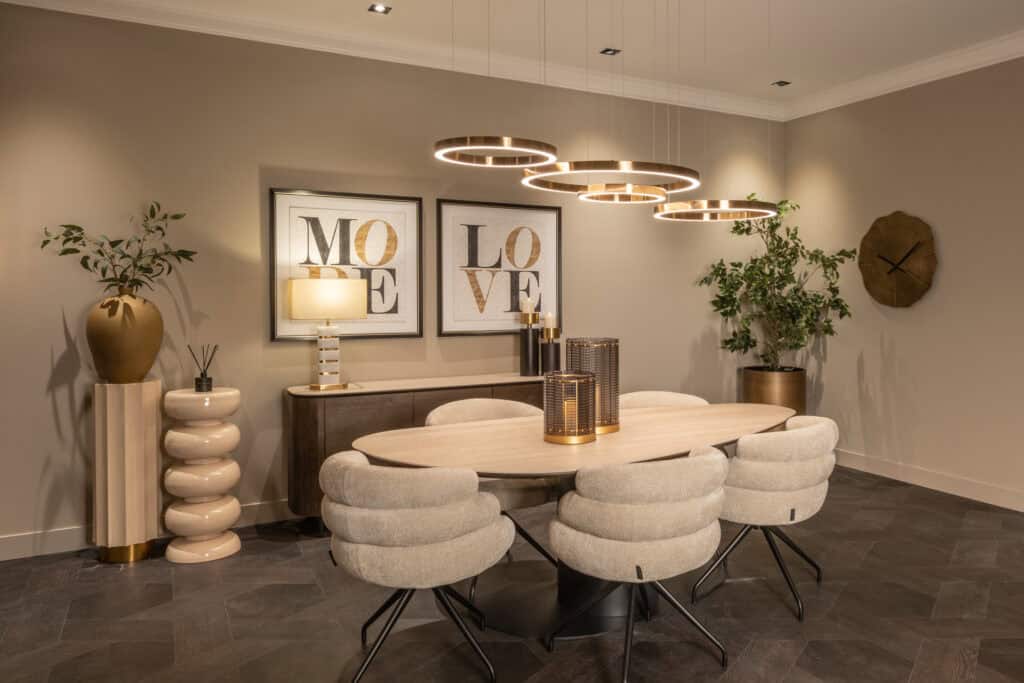
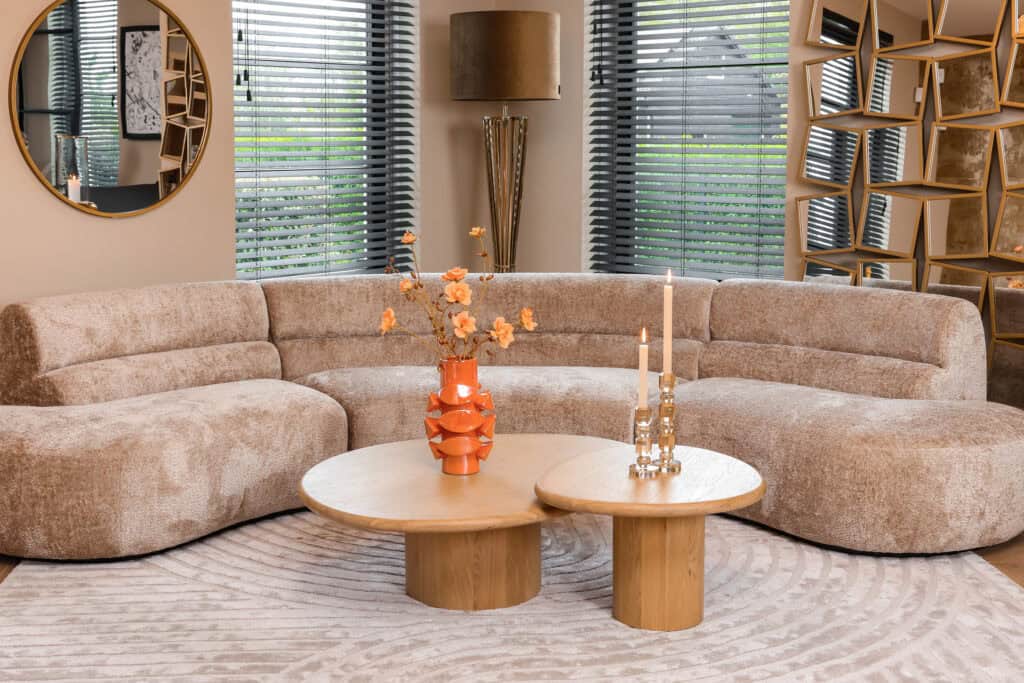
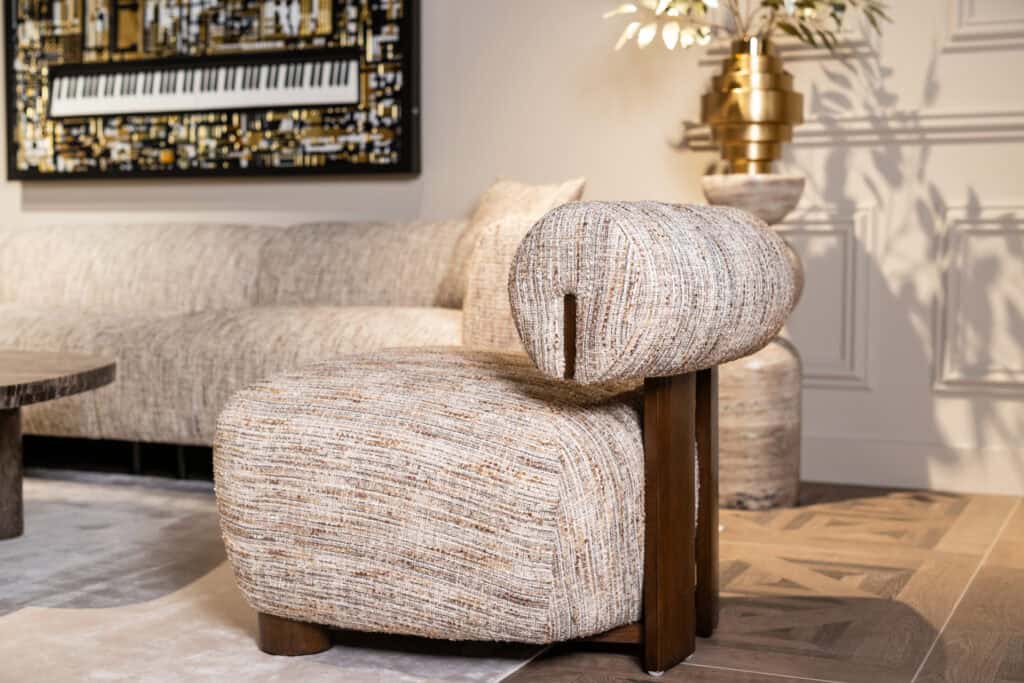
The most commonly used materials in timeless interiors are natural stone, solid wood, brass and bronze, velvet, linen, and bouclé. These materials appear time and again in high-end interiors, regardless of current trends, because each one contributes in its own way to the atmosphere, warmth, and overall appeal.
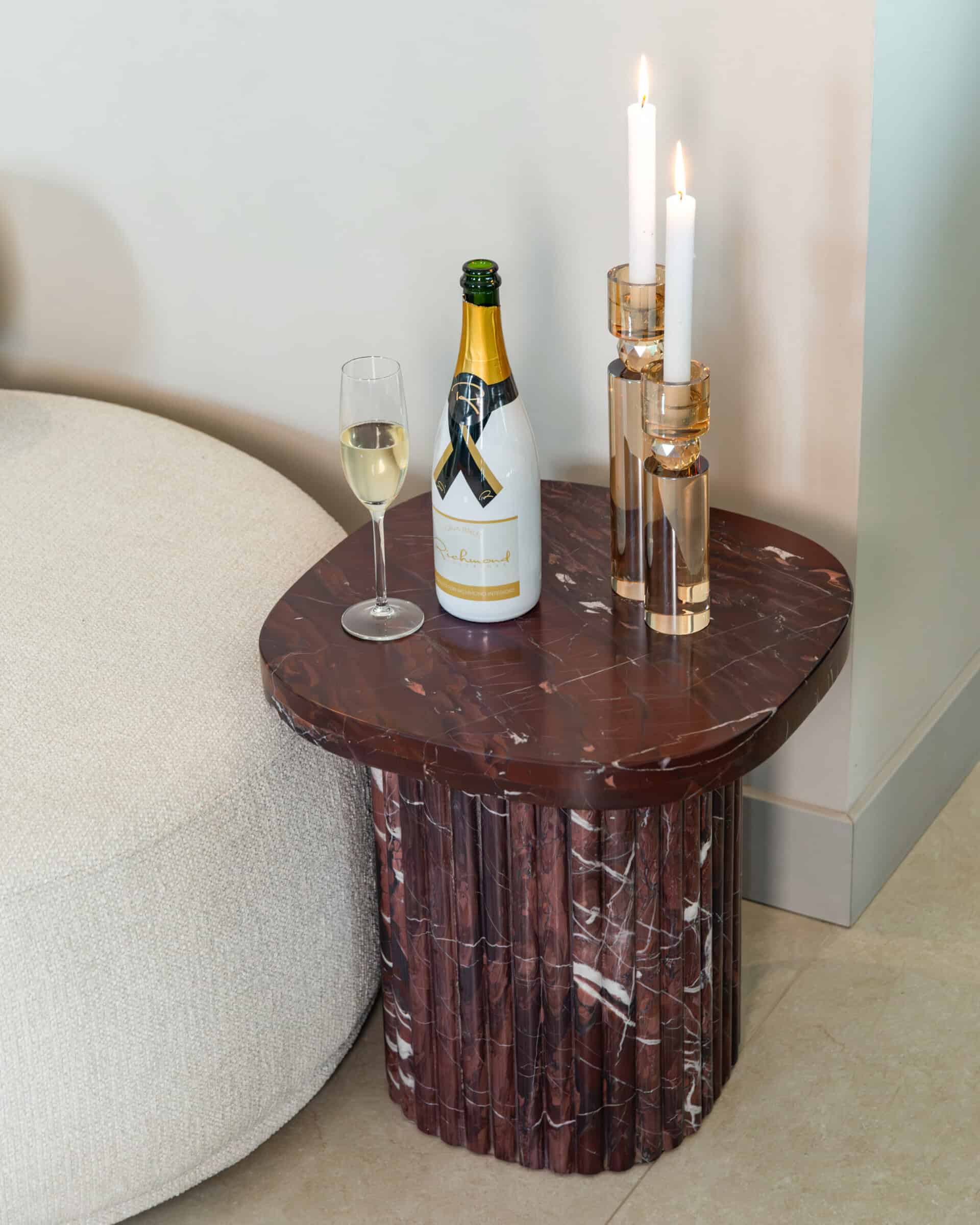
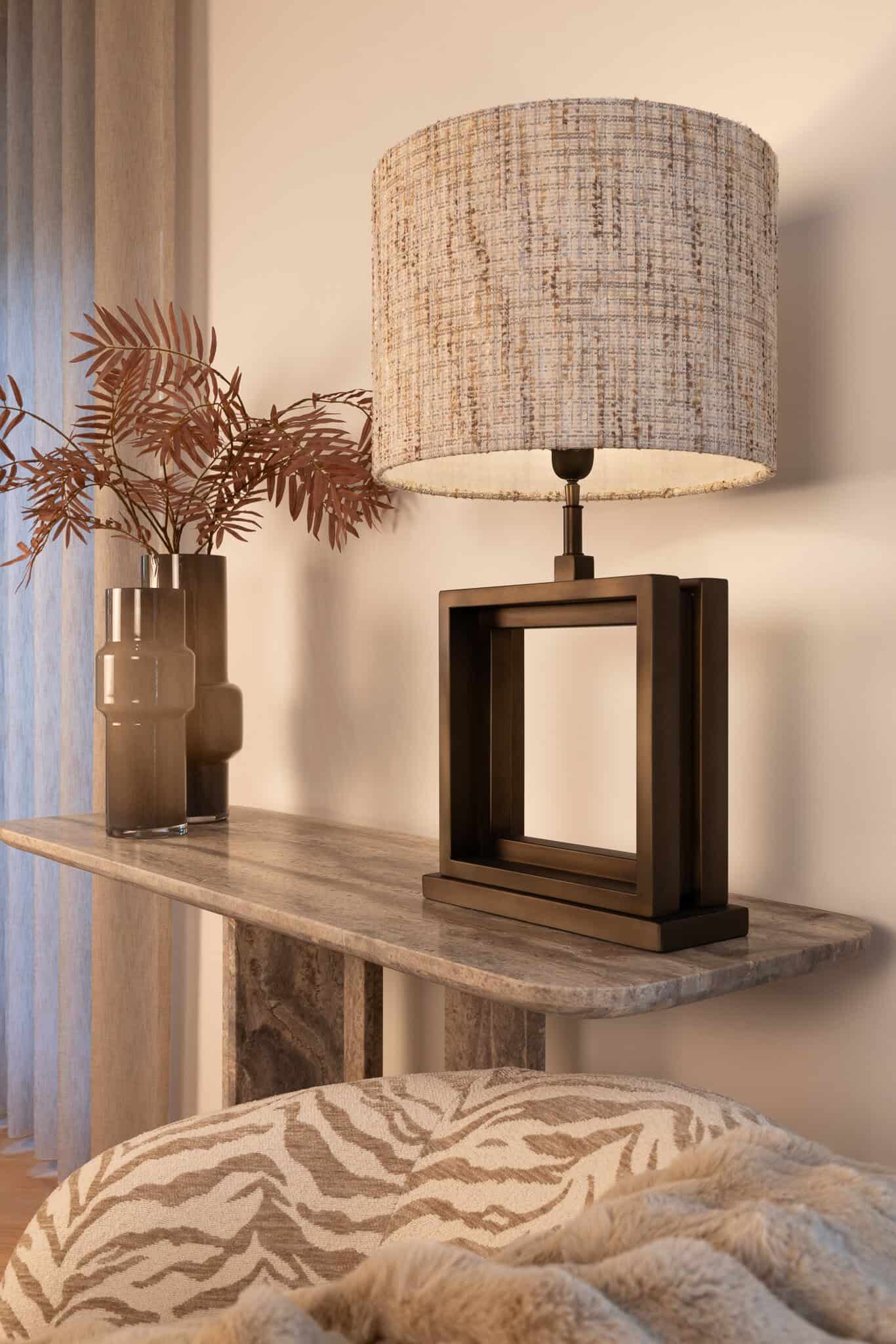
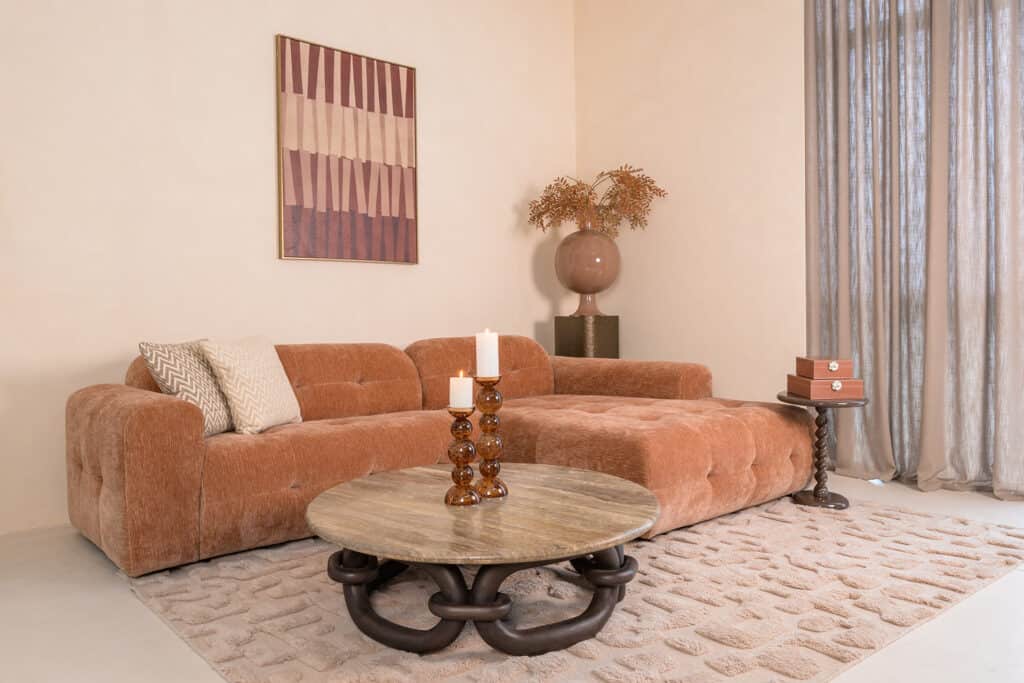
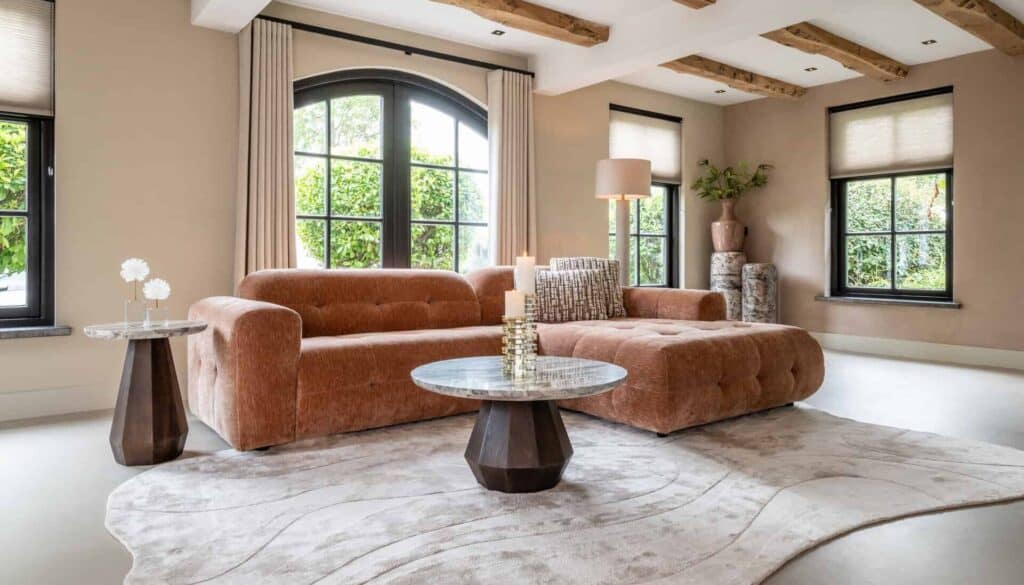
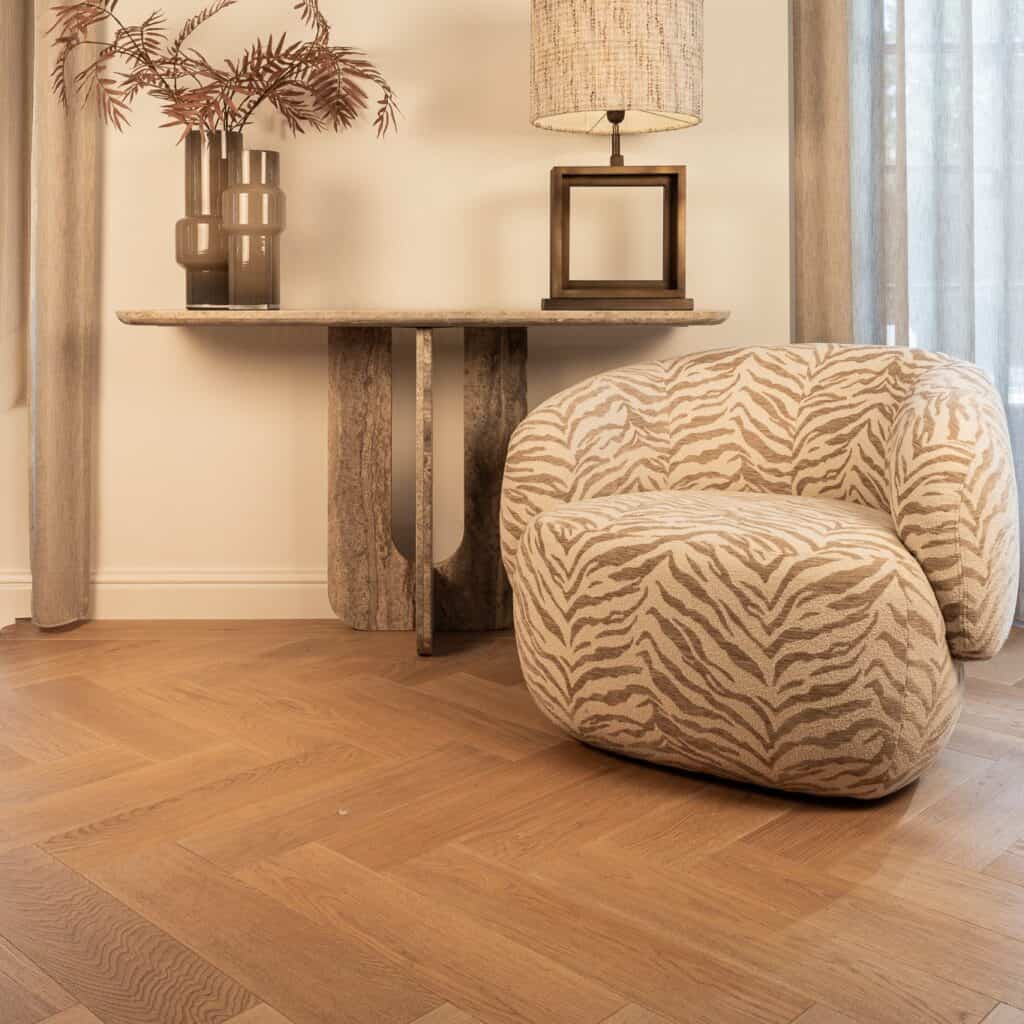
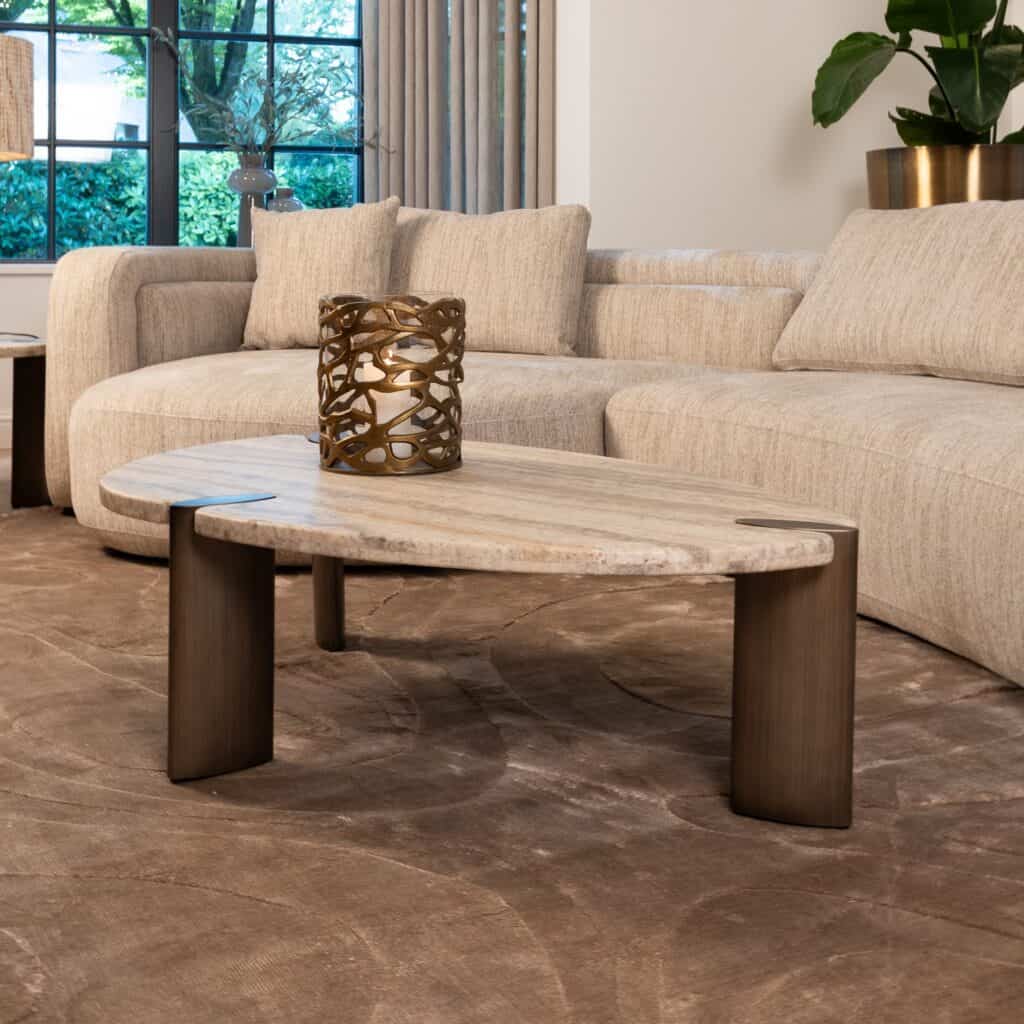
Marble, travertine, and slate have been used in architecture and interior design for centuries. Travertine differs from polished marble in its matte, porous texture, which feels softer and more organic. While marble exudes a certain grandeur, travertine brings a sense of calm and warmth. The stone-look, such as the travertine texture in the Dulce collection, translates these qualities into furniture with undulating forms that add character and class without overwhelming the space.
Wood adds warmth, depth, and an organic presence that no other material can fully match. The grain pattern, color, and texture vary by wood species, making each piece of furniture unique. When combined with metal accents or fabric upholstery, wood serves as an anchor in an interior.
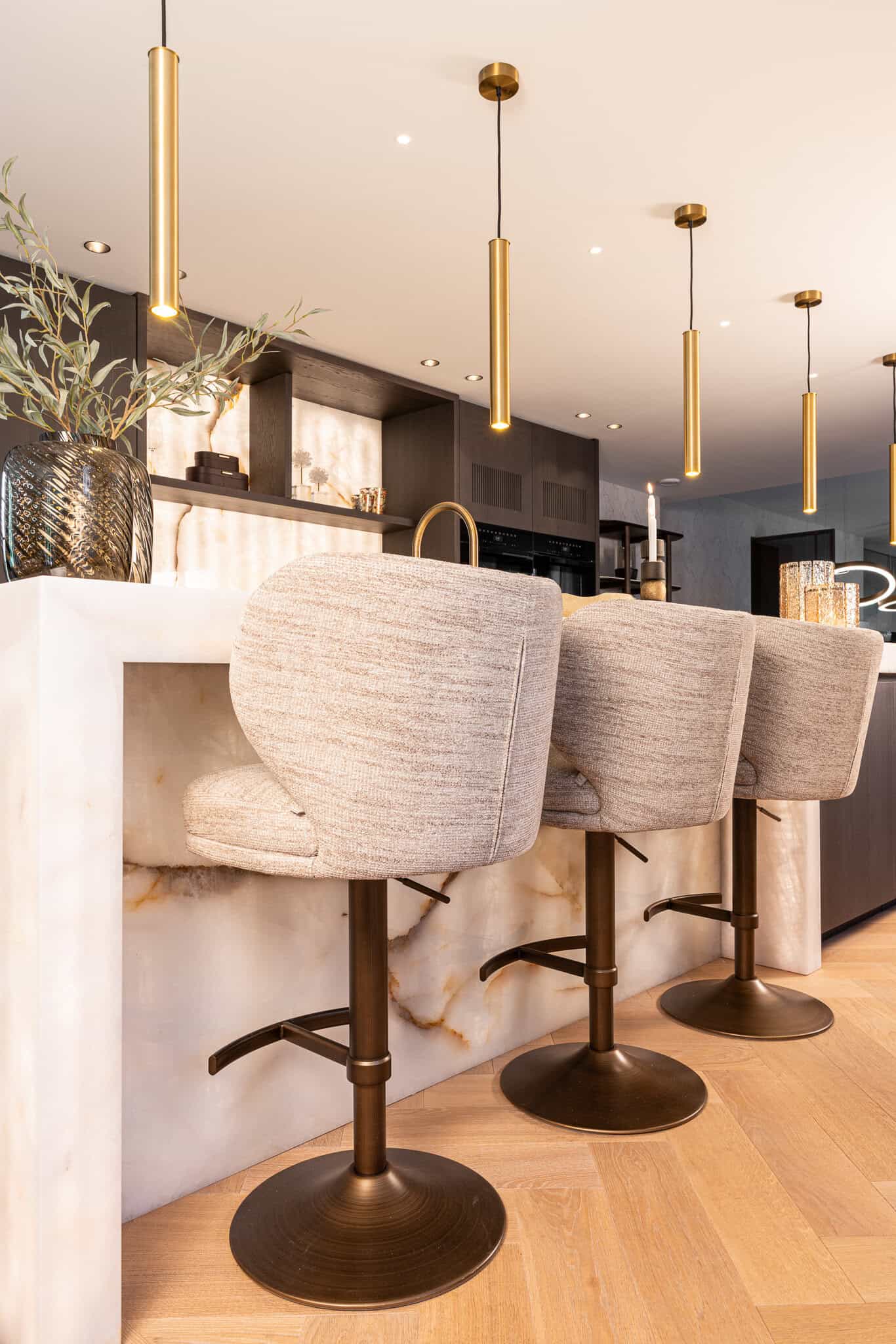
Metal accents in brass or bronze reflect light in a warm, subdued way that instantly enhances the atmosphere of a room. Unlike chrome or stainless steel, which convey a cool, industrial feel, golden metal tones complement warm fabrics and earth tones. They enhance the depth of an interior without overpowering it.
The difference between timeless and trendy materials lies in their relationship to context and time. Trendy materials are strongly tied to a specific period or aesthetic and lose their appeal as soon as the trend passes. Timeless materials are neutral enough to complement a wide range of styles, yet have enough character to define a space.
A trendy material catches the eye because of its novelty. Think of highly glossy surfaces, bold color choices, or materials strongly associated with a specific style trend. They work well as accents, but are less suitable as the foundation for an interior you plan to live in for years to come.
Timeless materials work exactly the opposite way: they form the foundation, and trend-driven elements can be layered on top of them. This allows you to play with current colors and shapes using accessories or textiles, while the underlying structure of the interior remains stable.
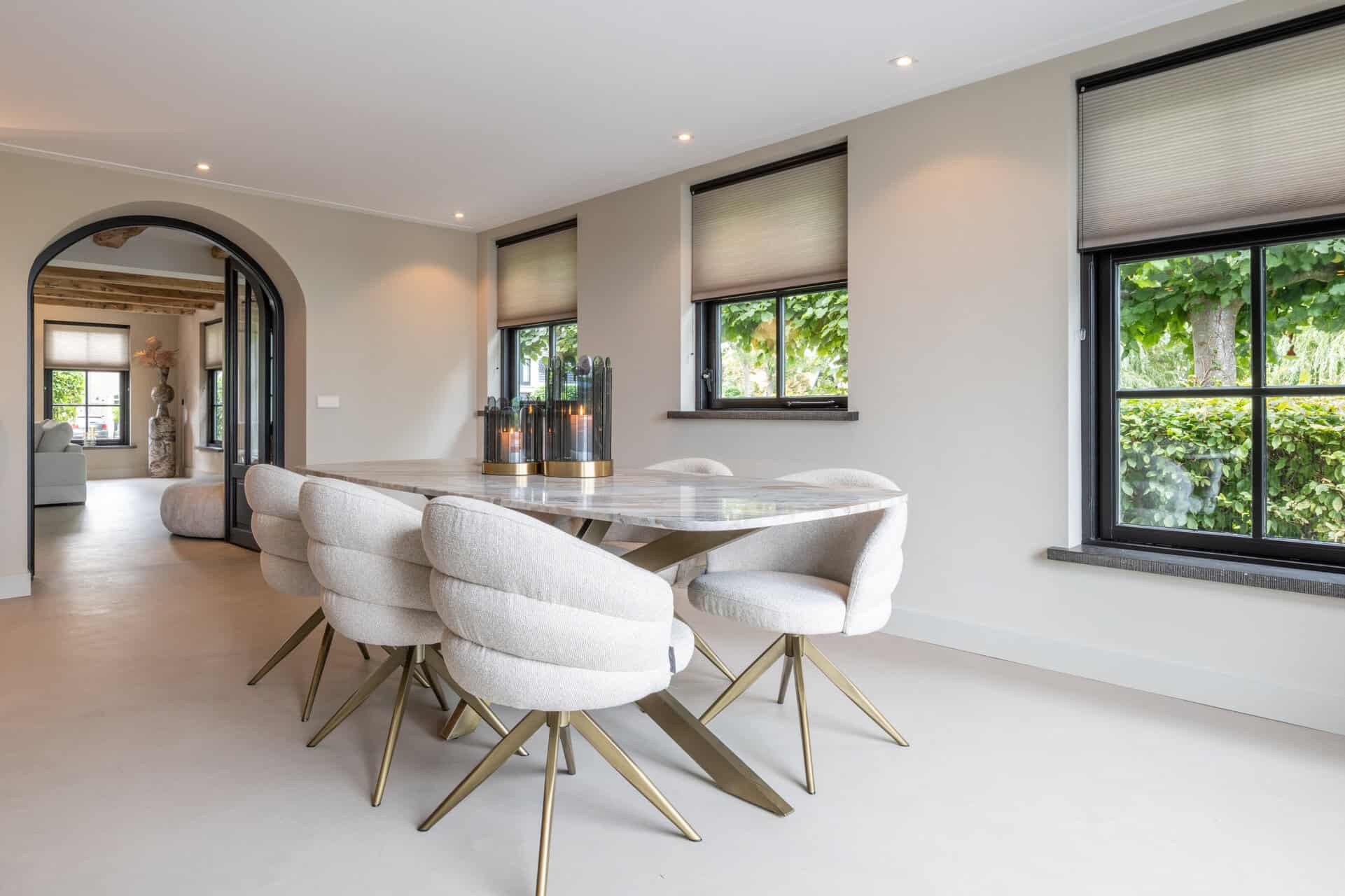
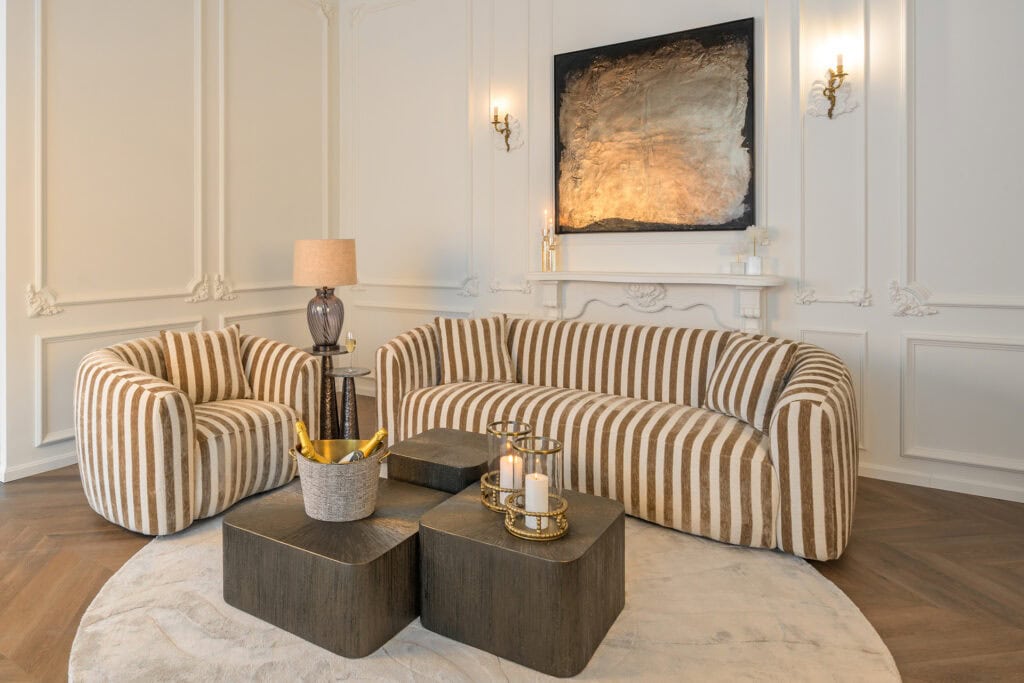
The most effective way to combine timeless materials is to work with contrasts in texture and finish, and to create unity through color and proportions. The power lies not in the use of a single material, but in the interplay between different materials that complement and enhance one another.
Here are a few guidelines for a balanced combination:
The Dulce collection illustrates this principle well: the travertine texture and undulating shapes of the furniture pair naturally with warm fabrics and gold accents, as the materials complement each other in terms of warmth and texture.
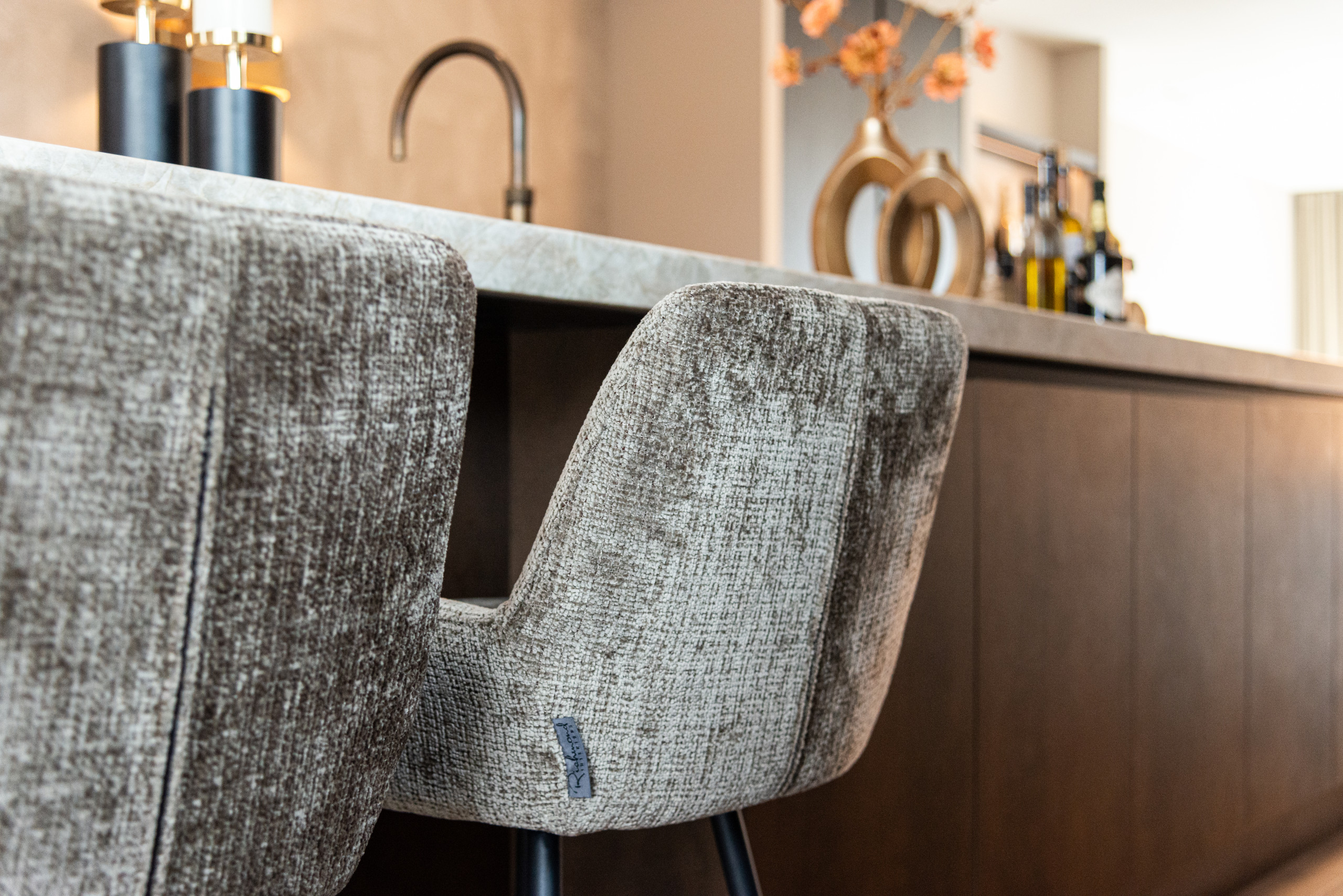
Furniture materials that are both easy to maintain and timeless include brushed metal, high-quality fabrics with a tight weave—such as velvet and bouclé—and wood with a matte lacquer or oil finish. These materials are relatively easy to maintain and retain their appearance under normal use.
Here are some considerations for each material:
Accessories play a key role in the timeless appeal of an interior, as they extend and enhance the materials and shapes of the main pieces of furniture. A well-chosen accessory adds texture, light, or color in a Bowl way that enriches the overall look without overpowering it. Poorly chosen accessories, on the other hand, can disrupt the balance of an interior.
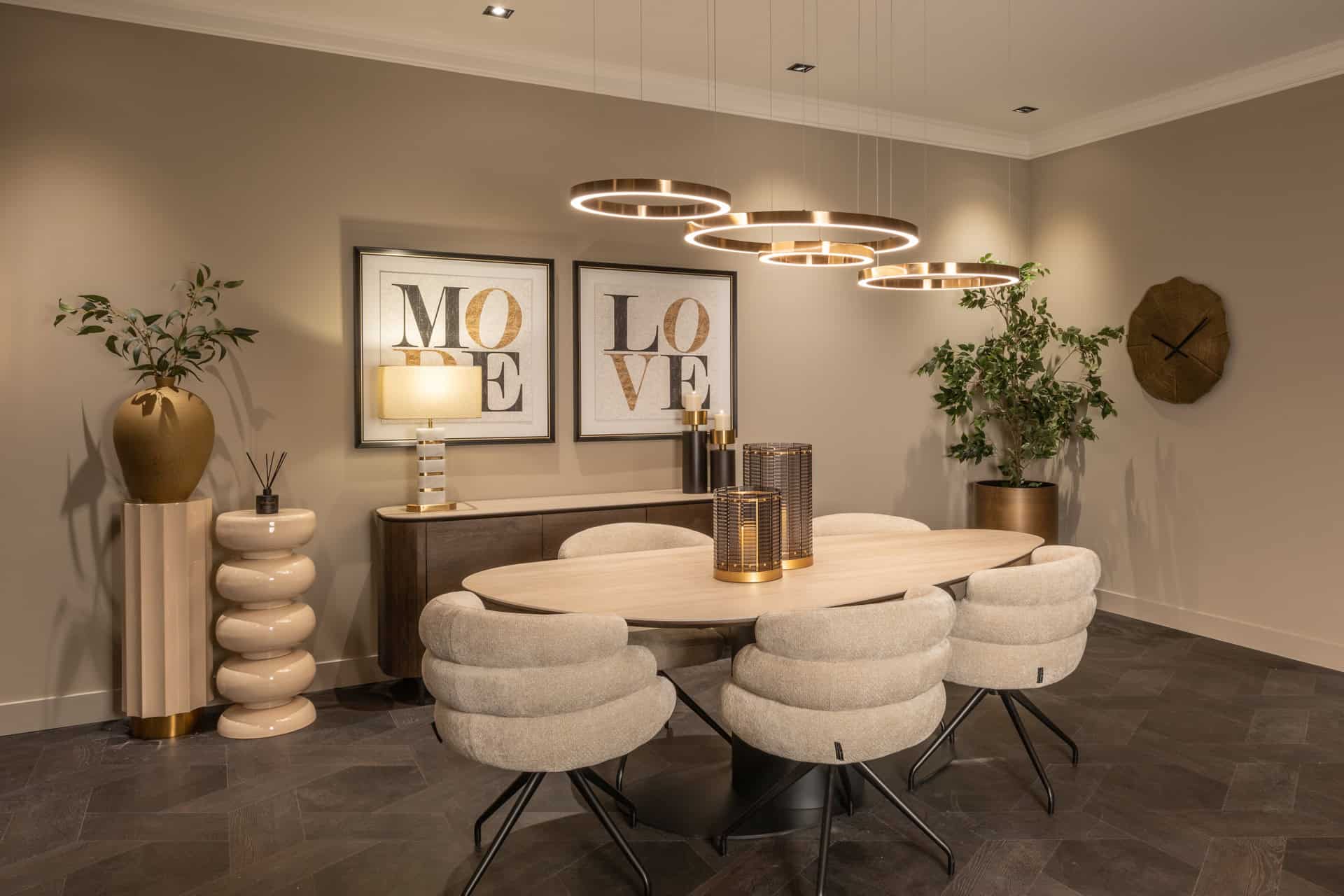
In a timeless interior, accessories serve two purposes. First, they reinforce the material narrative: a matte earthenware vase next to a wooden table, or a brass Candle holder on a marble tabletop, deepens the dialogue between the materials already present. Second, accessories offer the opportunity to add trend-sensitive elements without compromising the foundation of the interior. A trendy color in a Cushion or a decorative object is easy to replace when tastes change, while the structure of the interior remains intact.
The same principle applies to lighting: a brass or bronze fixture with an organic shape contributes to a space’s timeless appeal, while at the same time adding warmth and ambiance that no other element can provide. Light is a material in its own right, and the way it reflects off stone, metal, or fabric helps determine the feel of an interior.
At Richmond Interiors , we draw on a deep understanding of materials, forms, and finishes to develop collections that retain their value for years to come. Our collections are curated with an eye for the qualities that define timelessness: organic textures, warm metallic tones, refined fabrics, and furniture that complements a variety of interior styles.
What you'll find here:
Our collections are available through official Richmond retailers in the Netherlands and beyond, where you can experience the materials and finishes in person. You’re also welcome to visit our “Experience Center ” in Heerhugowaard, where you can see and feel the entire collection. Would you like to learn more about the options? Please contact us or explore our full selection online.