How can I tell if furniture is of good quality?
Inspiration
You can recognize high-quality furniture by its materials, construction, and finish. Solid wood, sturdy joints, and carefully crafted details are the most reliable indicators of craftsmanship. If you know where to look, you can see and feel the difference before a piece of furniture takes its place in an interior. The questions below will help you distinguish between them.
When evaluating furniture, there are three things to look for: the material, the construction, and the finish. A high-quality piece of furniture feels sturdy, has clean seams, no rough edges, and is carefully assembled. The way a chair or table is constructed says more about its durability than its exterior alone.
Start by touching the surface. Does the material feel smooth, warm, and uniform, or are there irregularities and sharp edges? Next, examine the joints: are the corners square, does the wood fit together seamlessly, and are the joints invisible or conspicuous? Lift the piece of furniture if possible. Weight isn’t everything, but a solid construction always has a certain weight to it.
Also pay attention to symmetry. Doors and drawers should open and close smoothly, handles should be positioned exactly where they should be, and the finish or upholstery should not be bubbled or peeling anywhere. Details like these reveal the level of craftsmanship that has gone into a piece.
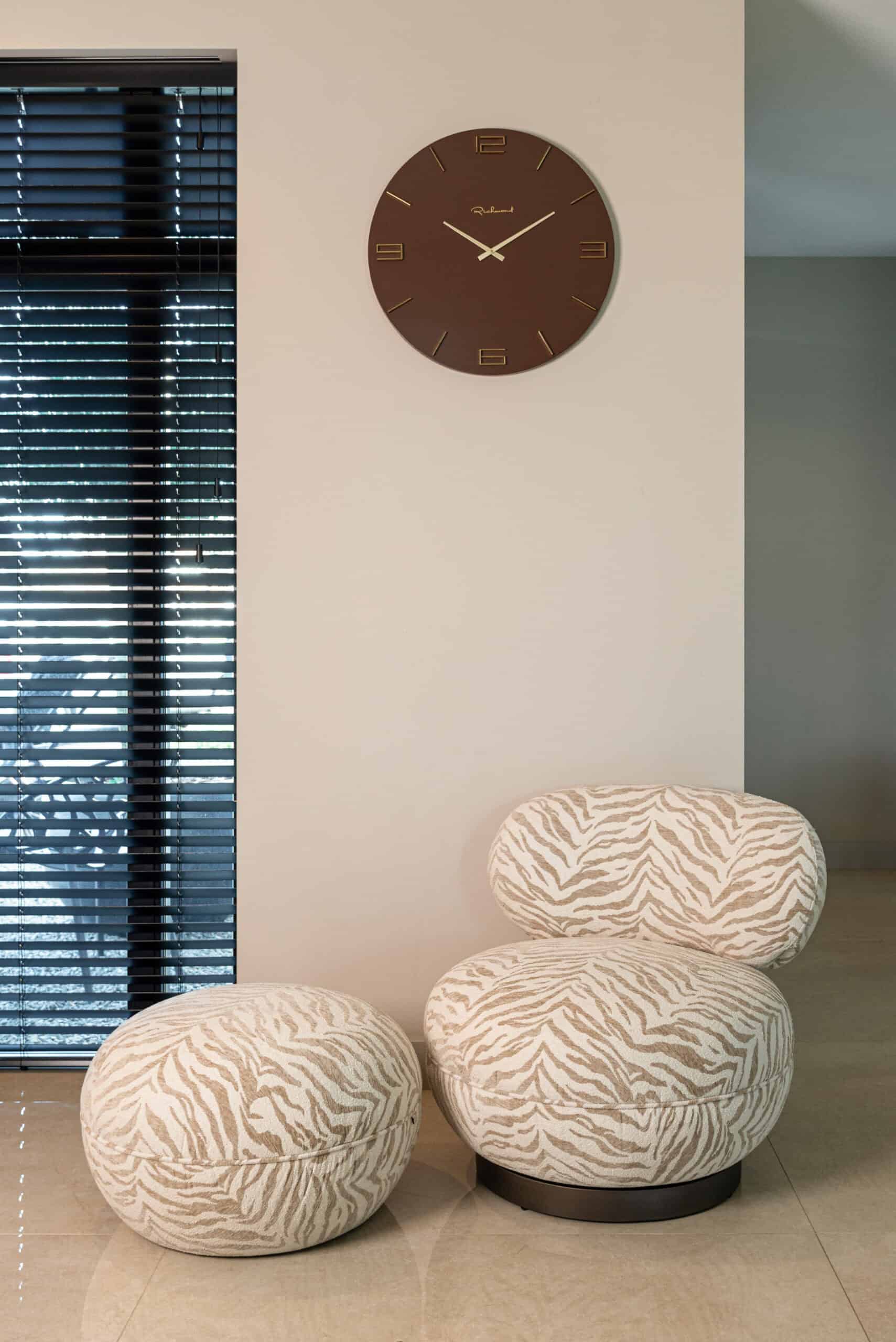
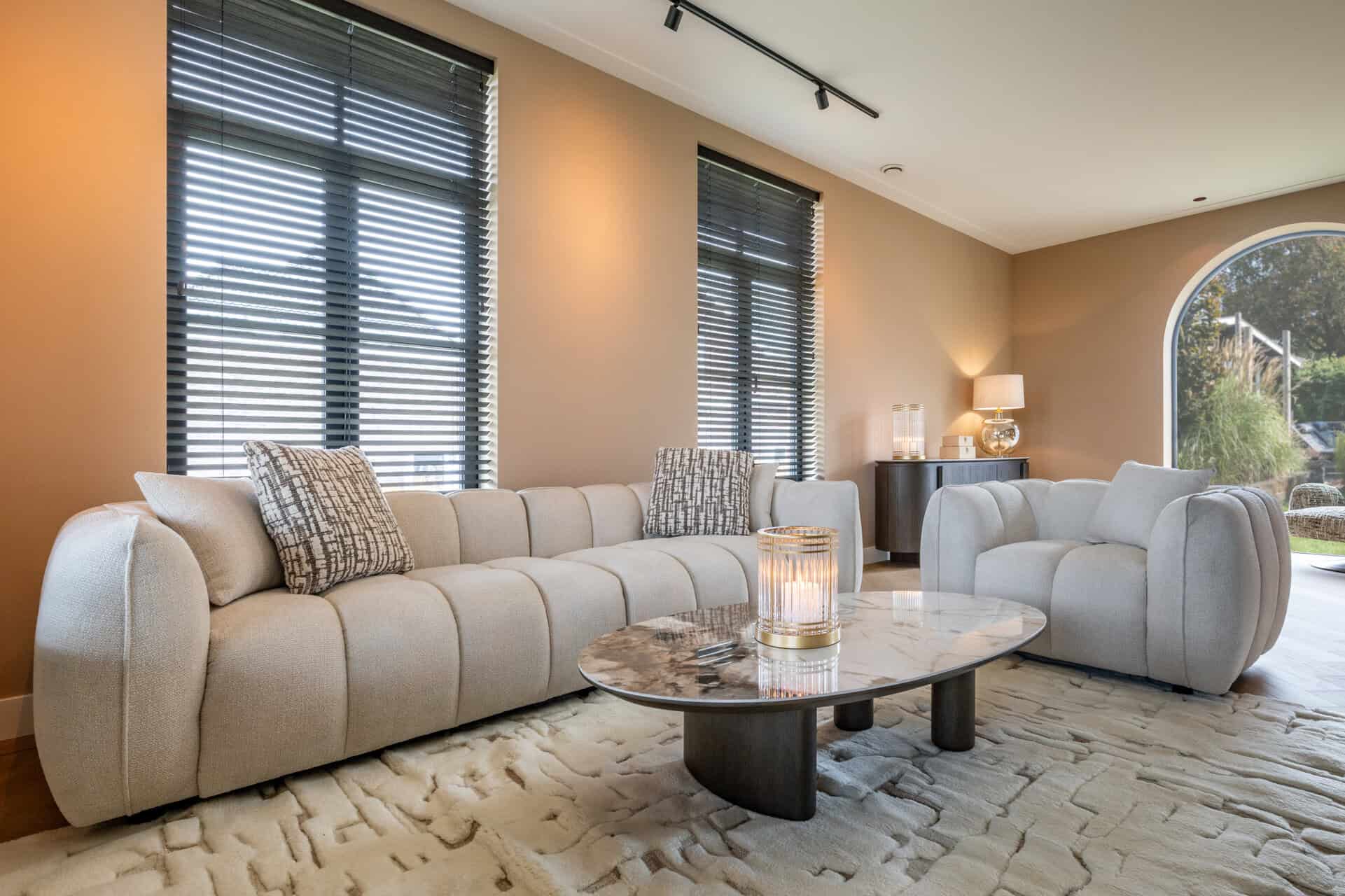
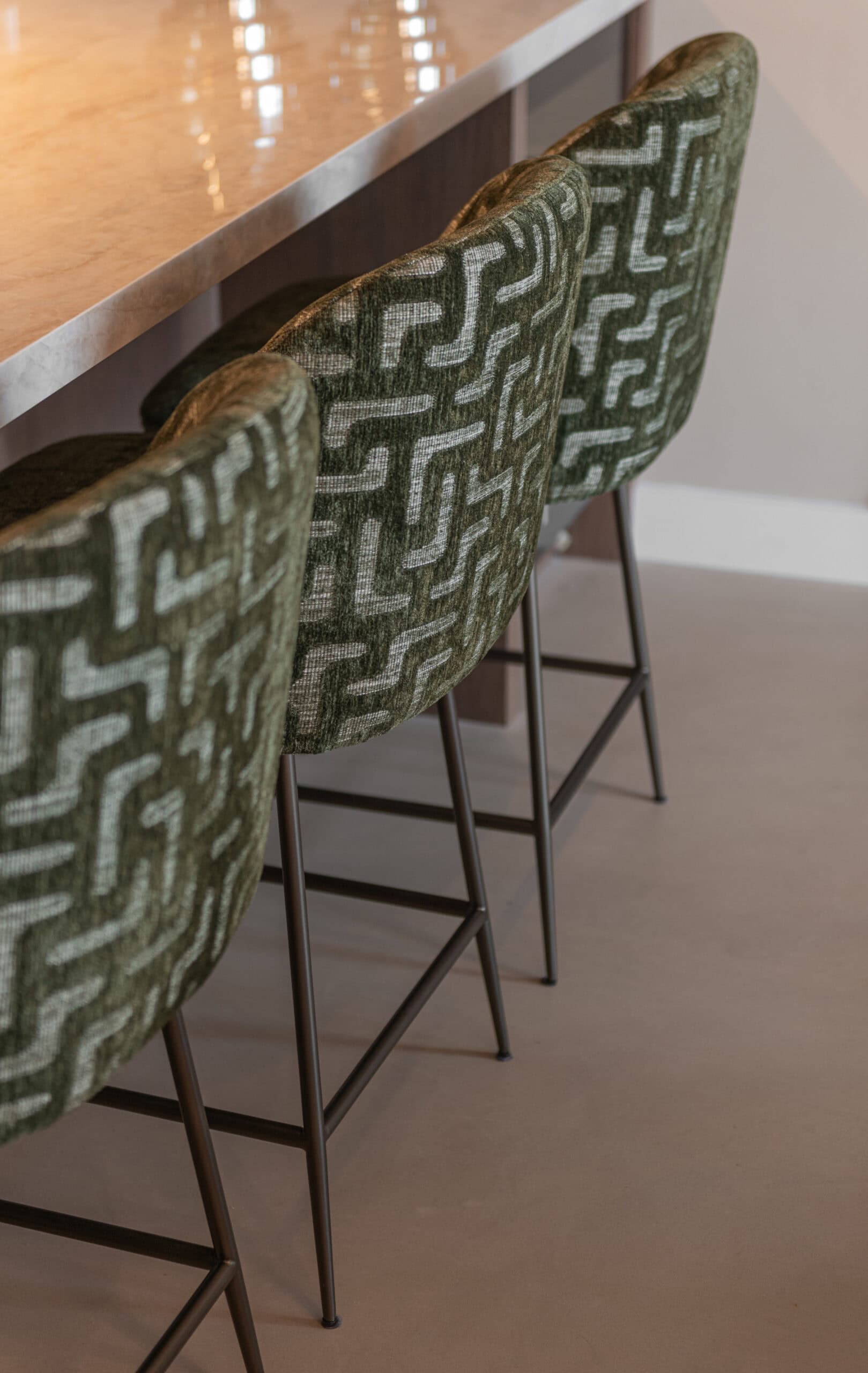
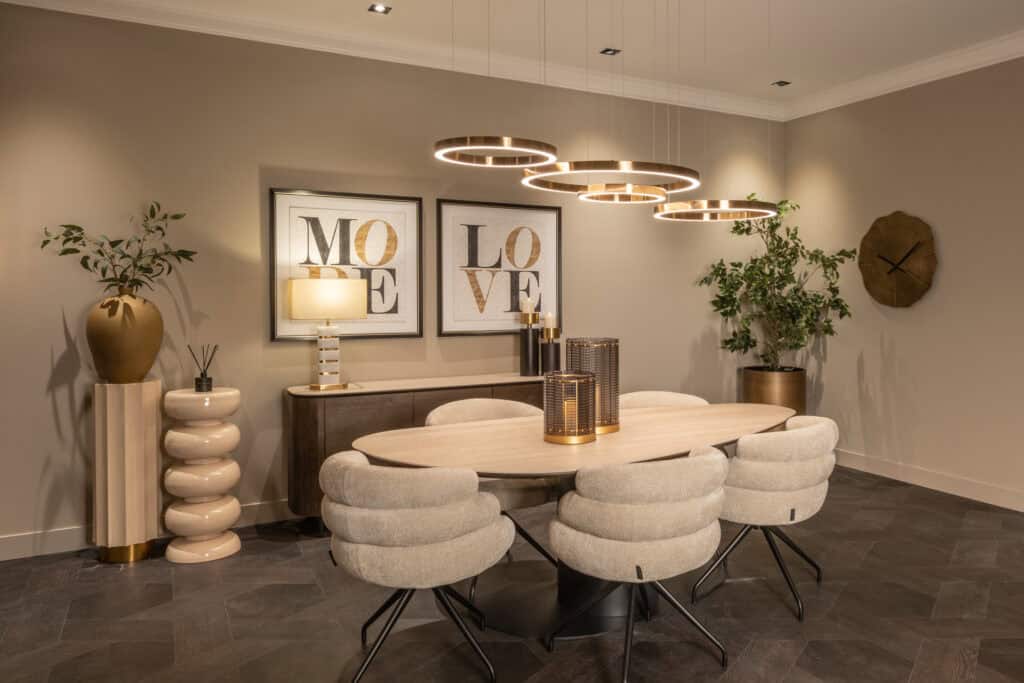
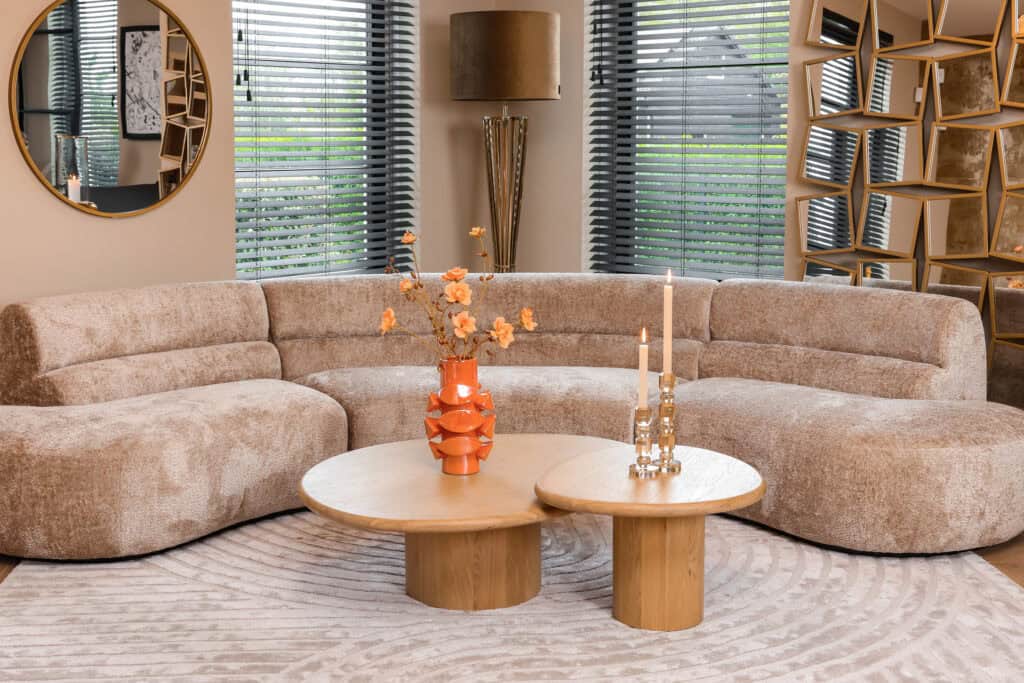
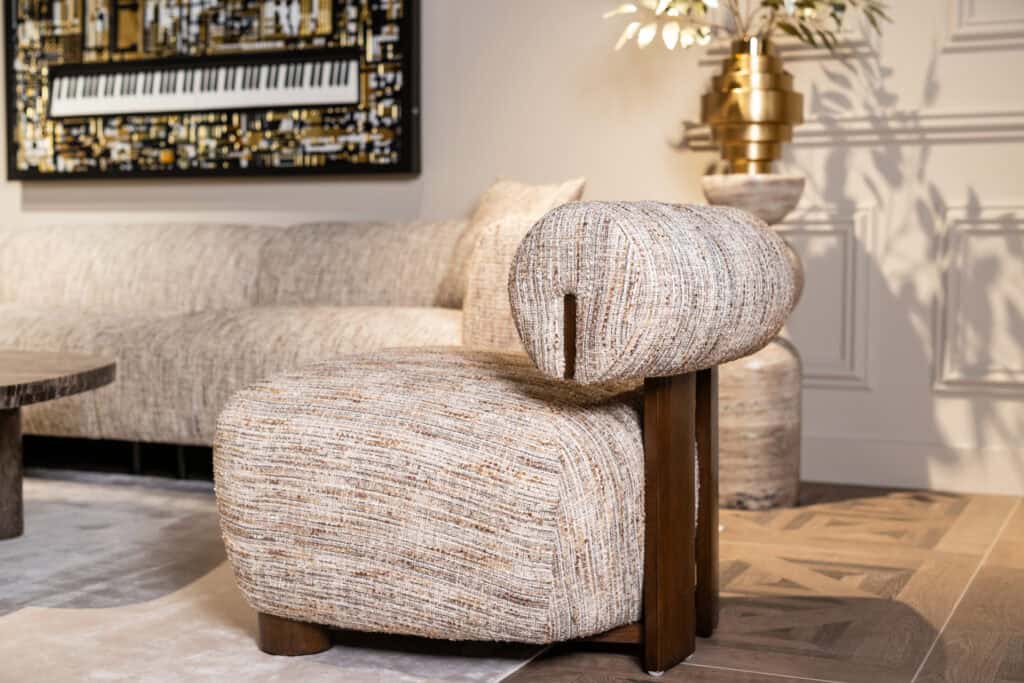
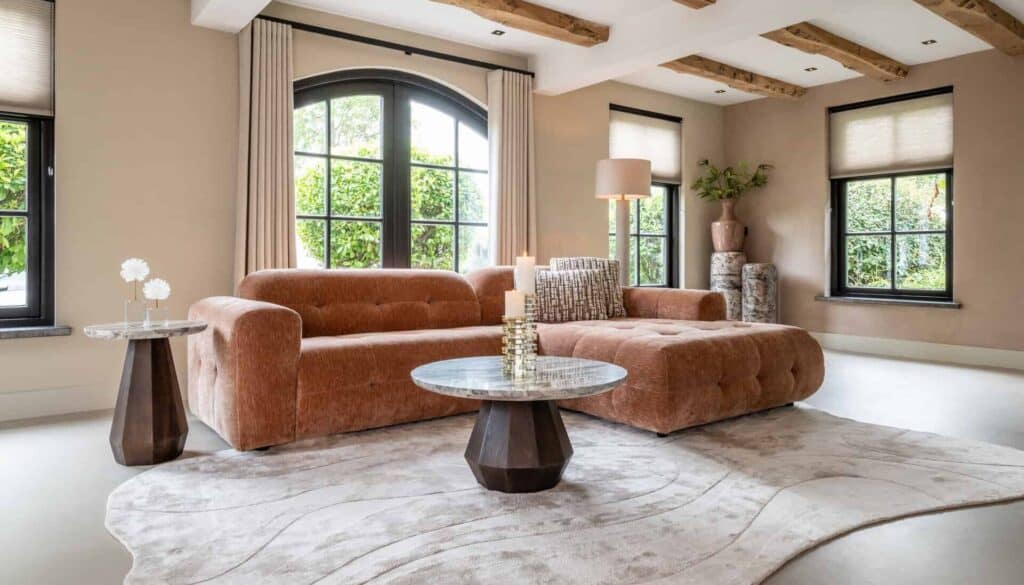
High-quality furniture is made from materials that are both aesthetically pleasing and structurally sound. Solid wood, natural stone, stainless steel, brass, and high-quality fabrics such as velvet and bouclé are hallmarks of premium craftsmanship. These materials age gracefully, are durable, and give a space a rich, layered look.
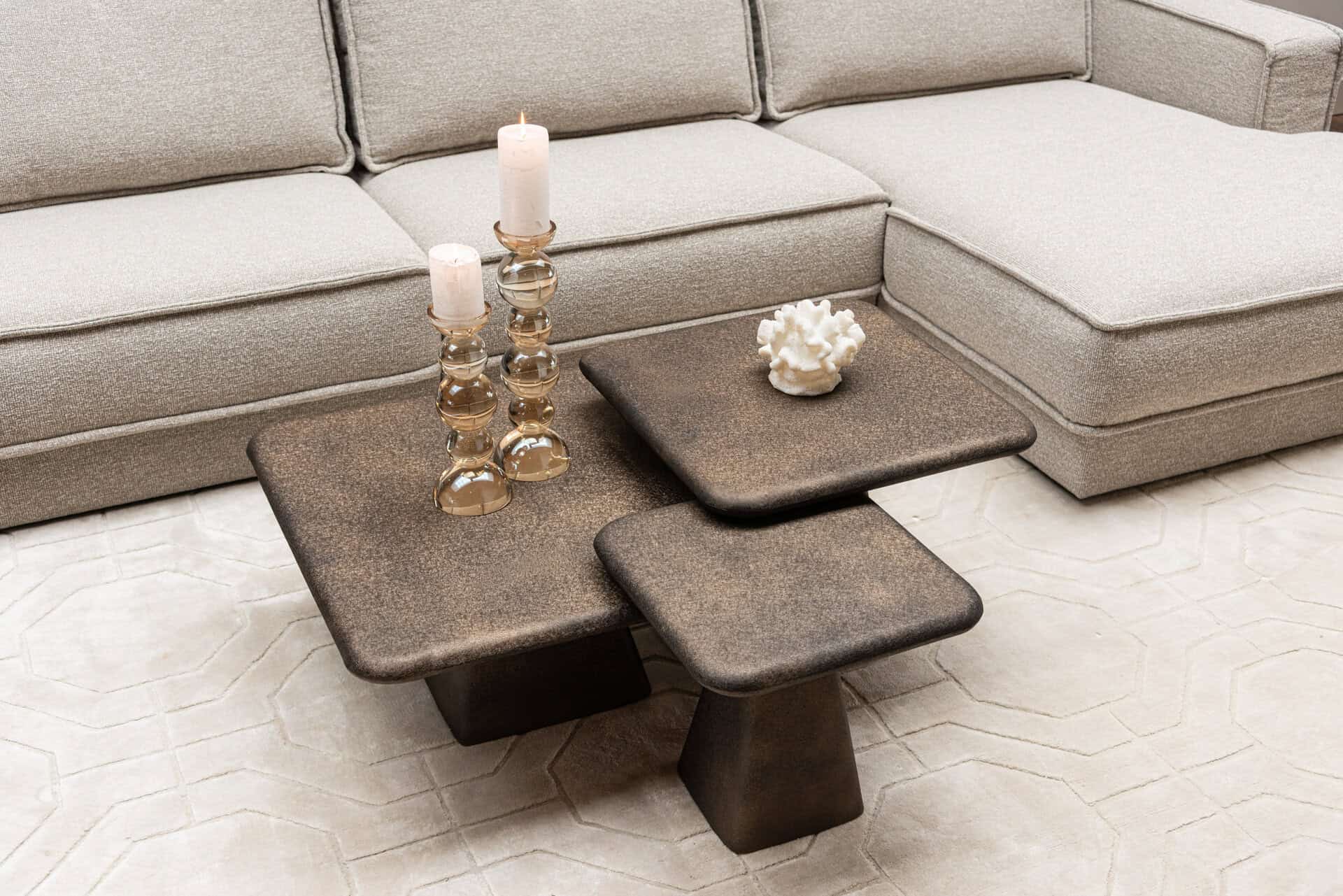
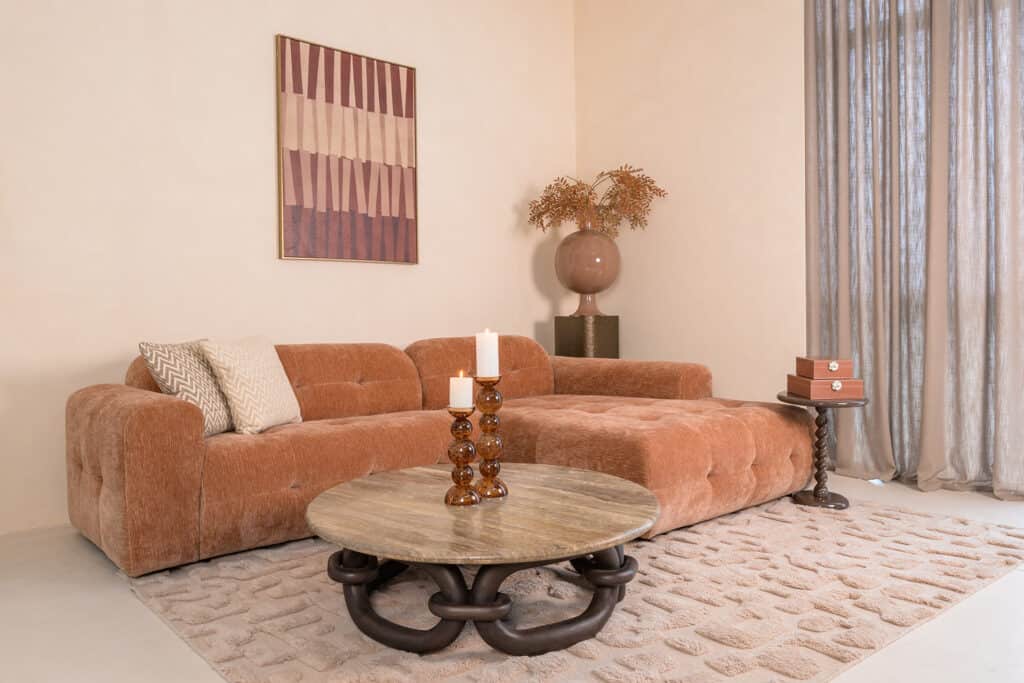
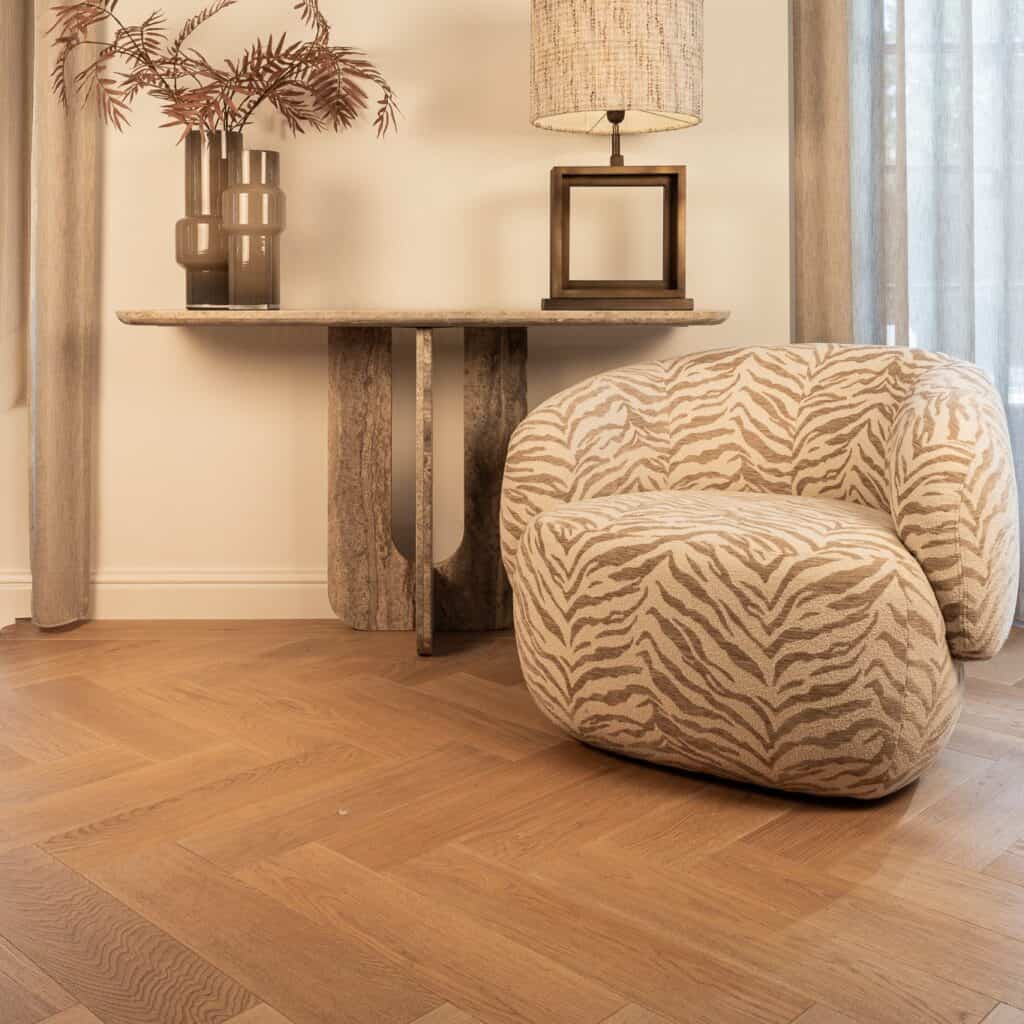
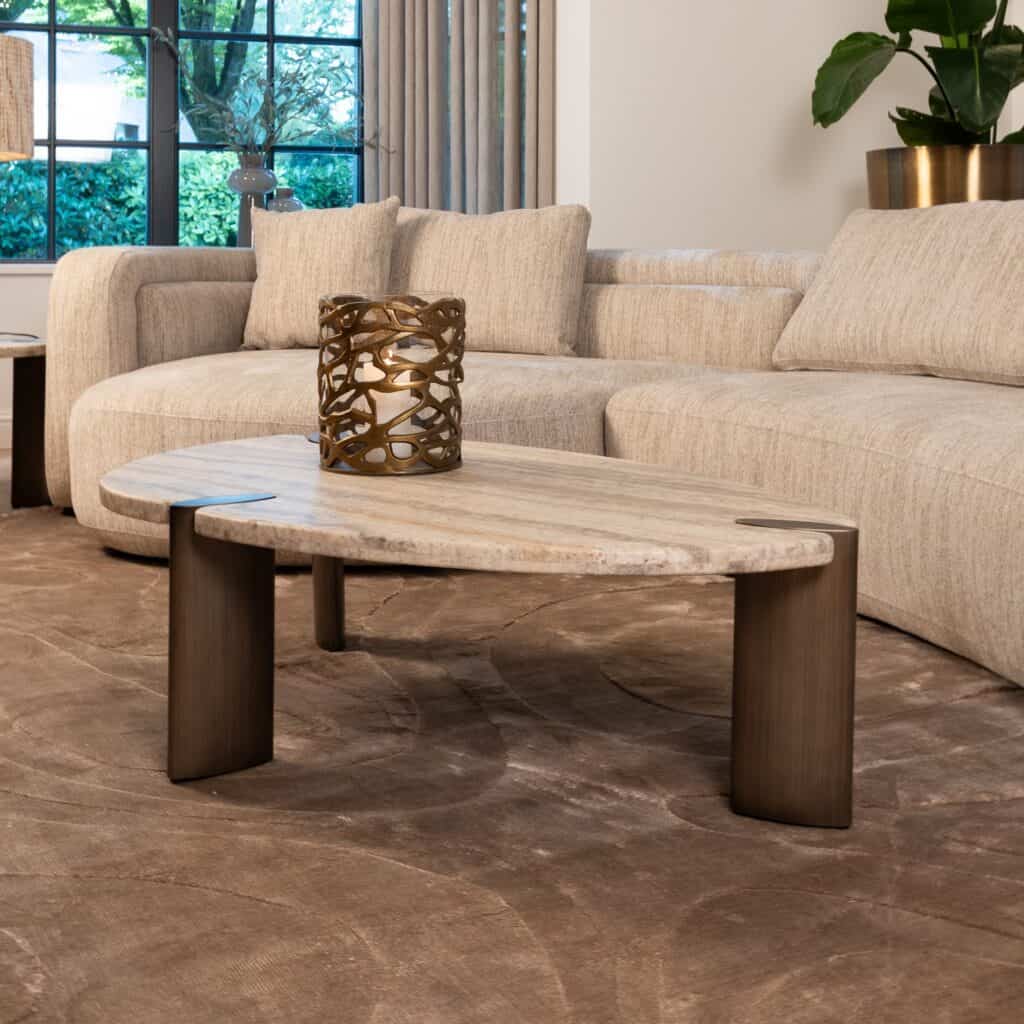
Solid oak, walnut, or mahogany has a distinctive grain that cannot be imitated. Natural stone, such as travertine or marble, adds texture and depth to an interior in a way that simulated materials rarely match. Travertine, for example, has a softer, more organic look than polished marble and pairs well with warm, earthy tones and matte finishes.
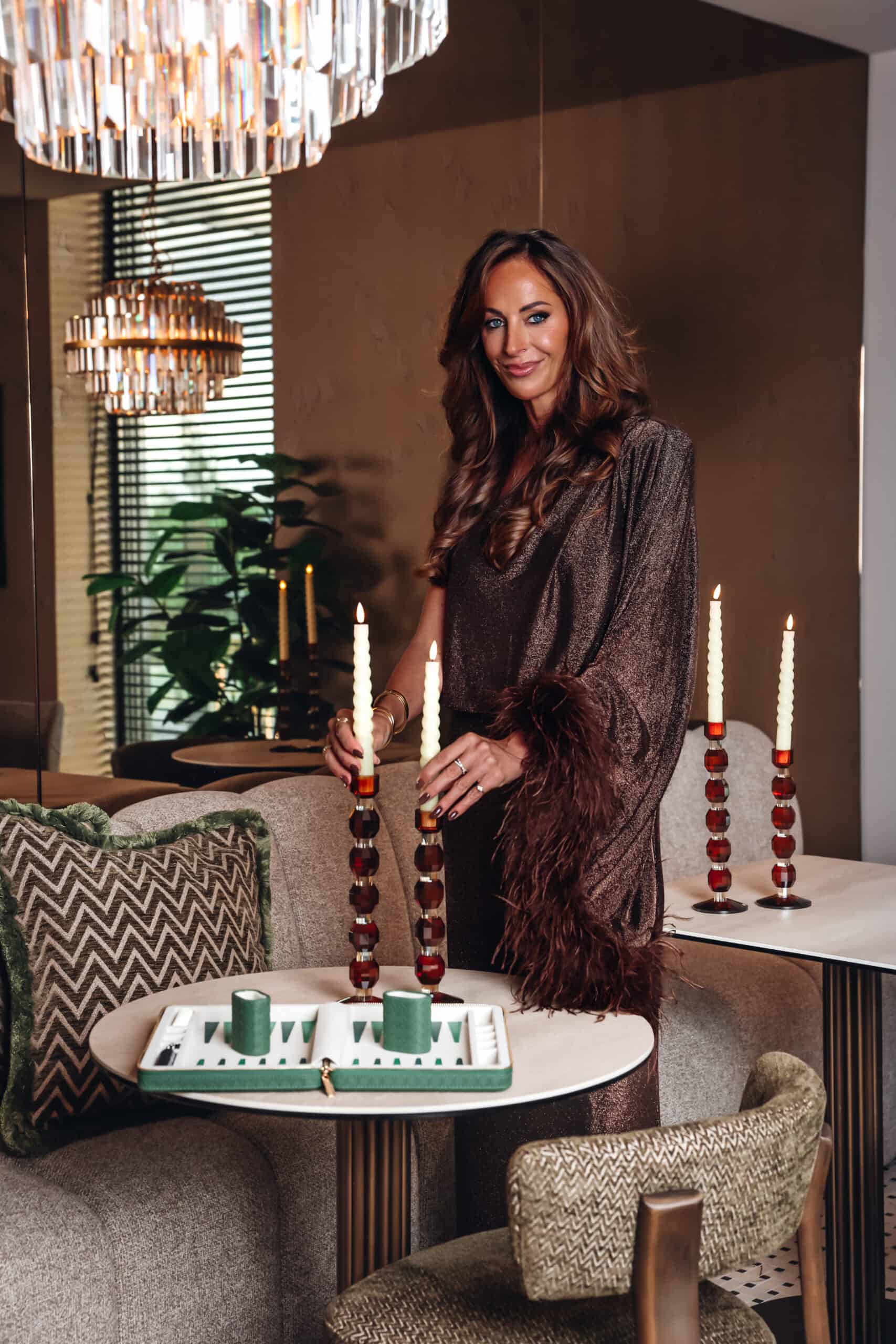
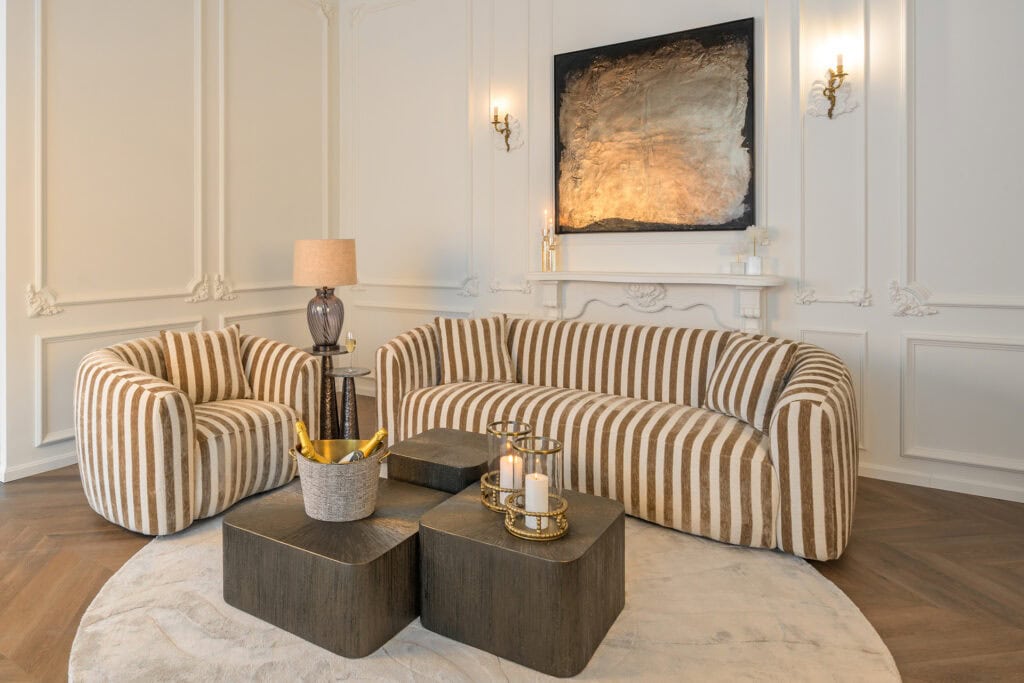
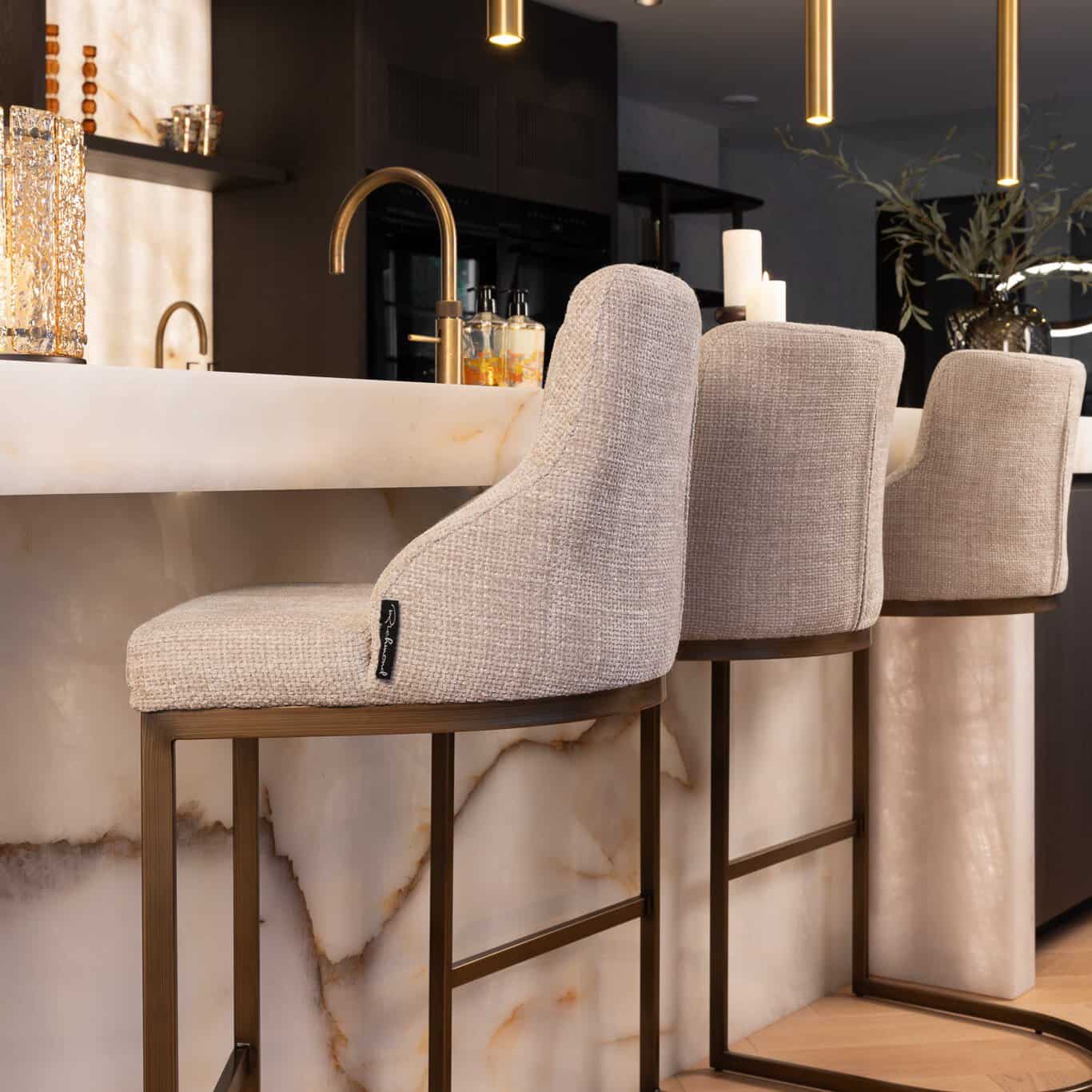
Brass and bronze-finished metal have a special way of interacting with light. They reflect warm, diffused light and add a subtle sheen without being glaring. When paired with dark wood or light-colored stone, they create a balanced contrast that lends an interior a more refined feel. Fabrics like velvet and bouclé lend softness and texture to seating and enhance the sense of depth in a room.
You can recognize good craftsmanship by the joints, the stability, and the precision with which a piece of furniture is assembled. Traditional wood joints, such as mortise-and-tenon or dovetail joints, are indicative of skilled craftsmanship. Furniture that is held together solely with glue or screws is generally less durable.
You can tell right away when a piece of furniture is sturdily built: a table shouldn’t wobble, a chair shouldn’t creak, and cabinets should stand straight without needing to adjust the legs. Open a drawer and see how it moves: a smooth, silent motion with a soft stop is a sign of quality. Rough slides or drawers that run crooked indicate less careful craftsmanship.
Be sure to check the back and underside of a piece of furniture as well. With high-quality furniture, the finish is meticulous even in less visible areas. The inside of a cabinet, the underside of a tabletop, or the back of a sideboard reveal the true extent of the craftsmanship.
Solid wood is cut from a single piece of wood and has an authentic grain, weight, and texture. Particleboard is made from compressed wood waste with a veneer or laminate on the outside. The difference lies in durability, appearance, and how the material behaves over time.
Solid wood can be sanded, refinished, and repaired. It ages gracefully and becomes more beautiful with use. Particleboard is more susceptible to moisture, impacts, and wear and tear. When the surface is damaged, repair is virtually impossible without leaving a visible mark.
A good way to tell the difference is to look at the sides and edges of a piece of furniture. With solid wood, the grain extends all the way to the edge. With particleboard, you’ll see a different texture on the side than on the front, or a finished edge that hides the base material. Weight is also a clue: solid wood is heavier and denser than particleboard of comparable dimensions.
The finish and details largely determine the appearance and longevity of a piece of furniture. A carefully applied coat of varnish protects the wood, a neatly stitched Cushion adds elegance to a sofa, and a well-placed leg gives a table visual balance. Details are not a minor matter; they are an expression of the quality with which a piece is crafted.
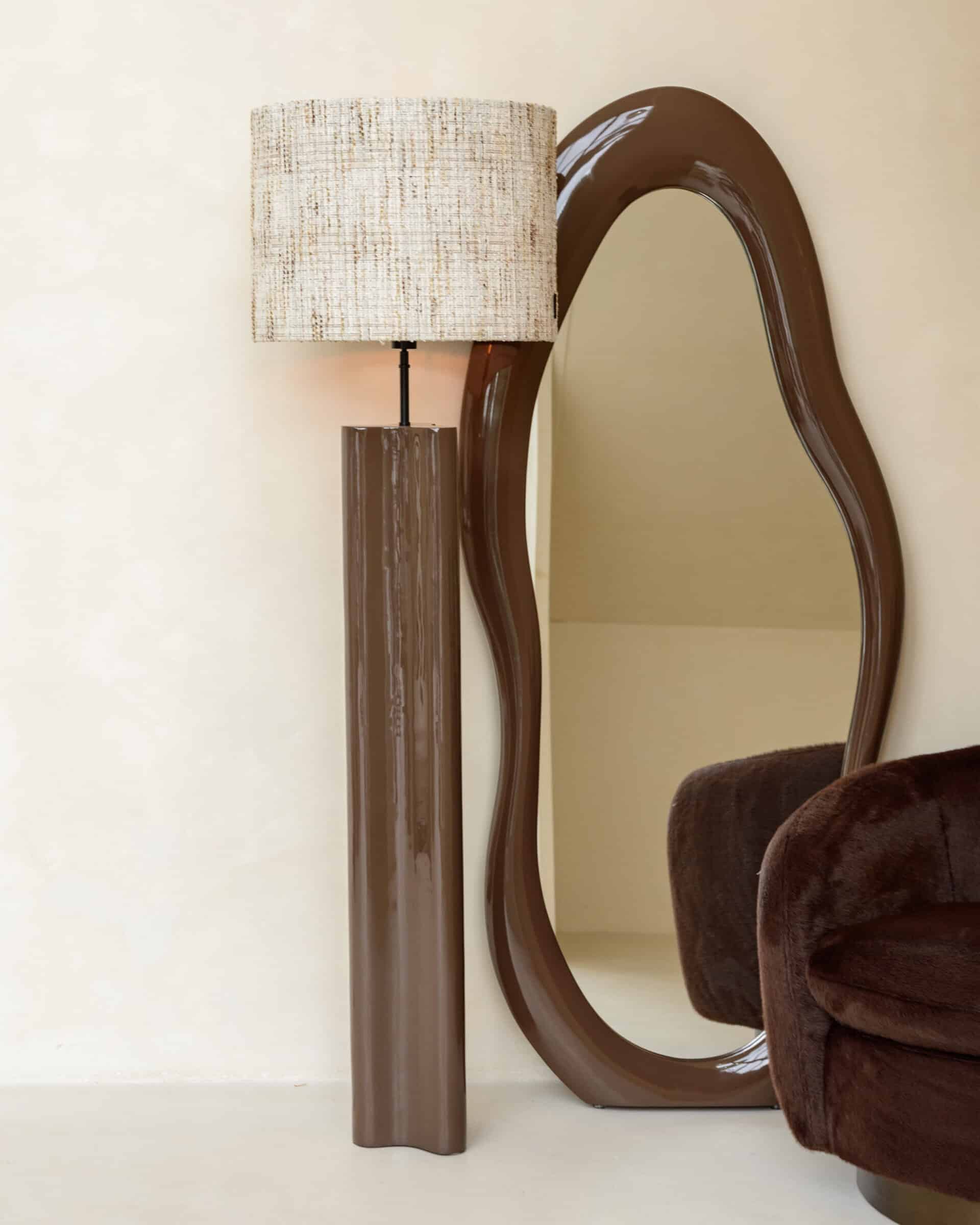
Consider the way paint is applied: a smooth, high-gloss, or matte finish without visible brush strokes or air bubbles requires multiple coats and careful drying. The same applies to upholstery: the way fabric is folded around a corner, or how a seam aligns precisely with the frame, reveals how much attention was paid to the final result.
Details such as handles, hinges, and legs are more than just functional elements. They help define the atmosphere of a piece of furniture. A brass handle with a slightly curved profile gives a cabinet a completely different look than a sleek, matte version. These choices are deliberate and say something about the design as a whole.
A piece of furniture is worth the investment when its materials, construction, and design come together to create a piece that retains its appearance and function over the long term. The question isn’t just how much something costs, but what it adds to an interior and how it holds up over the years.
Consider the coherence of the design. Is there a clear design vision, or is the piece purely functional with no aesthetic intent? High-quality furniture has an inherent logic: form follows function, the materials complement each other, and the details are consistently executed. This is reflected in the proportions, the choice of materials, and the way the piece interacts with light.
Also ask yourself how the piece of furniture will feel in five or ten years. Timeless designs, neutral yet rich materials, and solid construction are hallmarks of furniture that continues to enhance an interior. Trend-driven pieces with superficial finishes quickly lose their appeal.
For us, it’s all about furniture that’s high-quality both visually and structurally. Each collection is developed with a focus on material selection, craftsmanship, and interior design combinations that work. You can see that in:
Would you like to experience the materials and finishes for yourself? Then visit our “Experience Center ” in Heerhugowaard, where you can see and feel the collections in person. You can also find an authorized retailer near you to explore the collection. If you have any questions, feel free to reach out via our contact page.