How can I use accessories to create a cozy atmosphere in my living room?
Inspiration
You can create a cozy living room with accessories by consciously choosing items that add visual weight, texture, and warmth to the space. Think of decorative vases, pillows made of rich fabrics, lighting with character, and artwork that sets the tone. It’s not about quantity, but about the harmony between material, shape, and color. In this article, we answer the most frequently asked questions about living room styling and interior accessories, so you can decorate your space with flair.
The accessories that create the most atmosphere in a living room are those that appeal to multiple senses and give the space a sense of depth and character. Lighting, textiles, decorative objects, and plants are the four categories that, together, have the greatest impact on the look and feel of an interior.
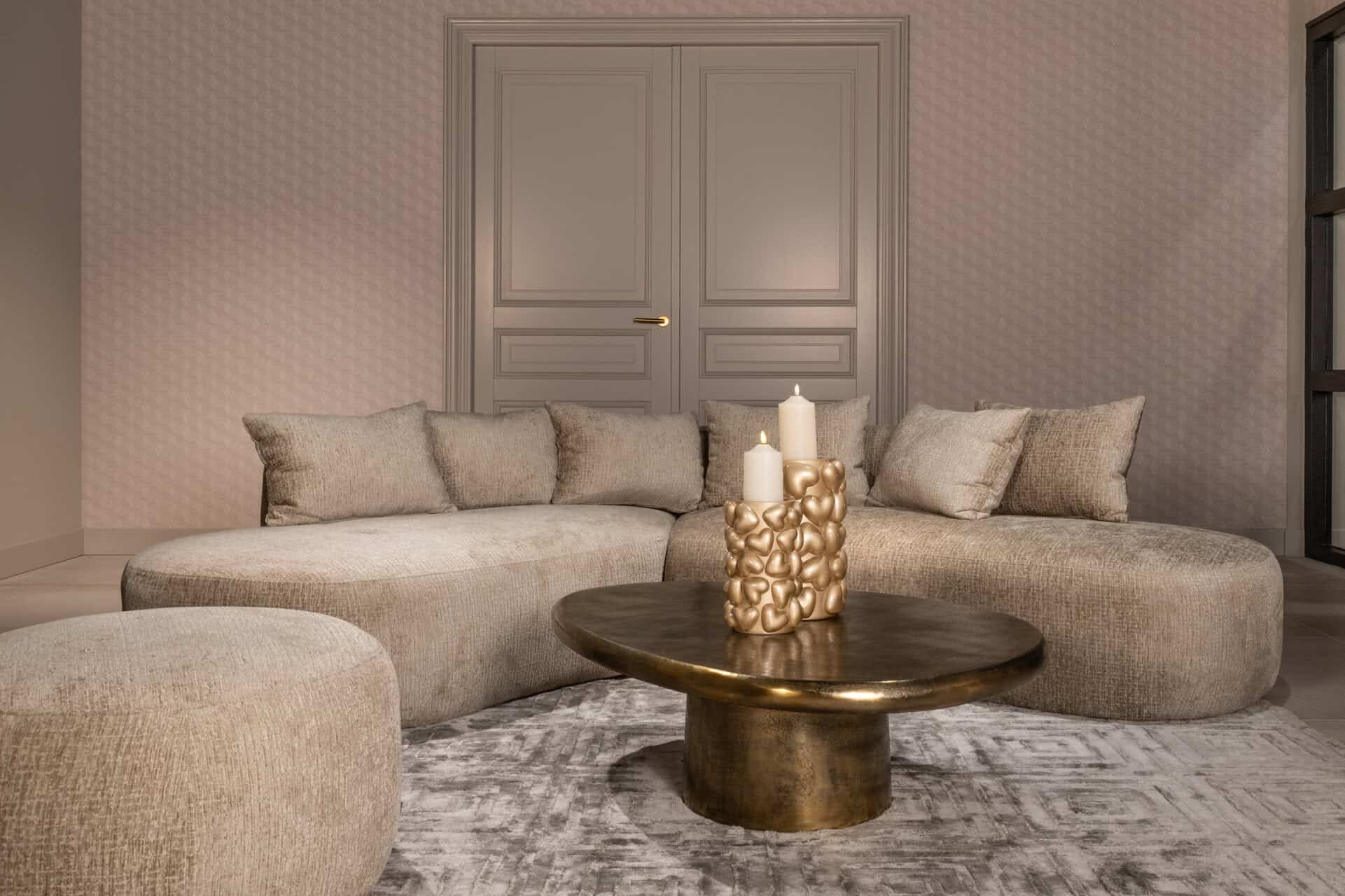
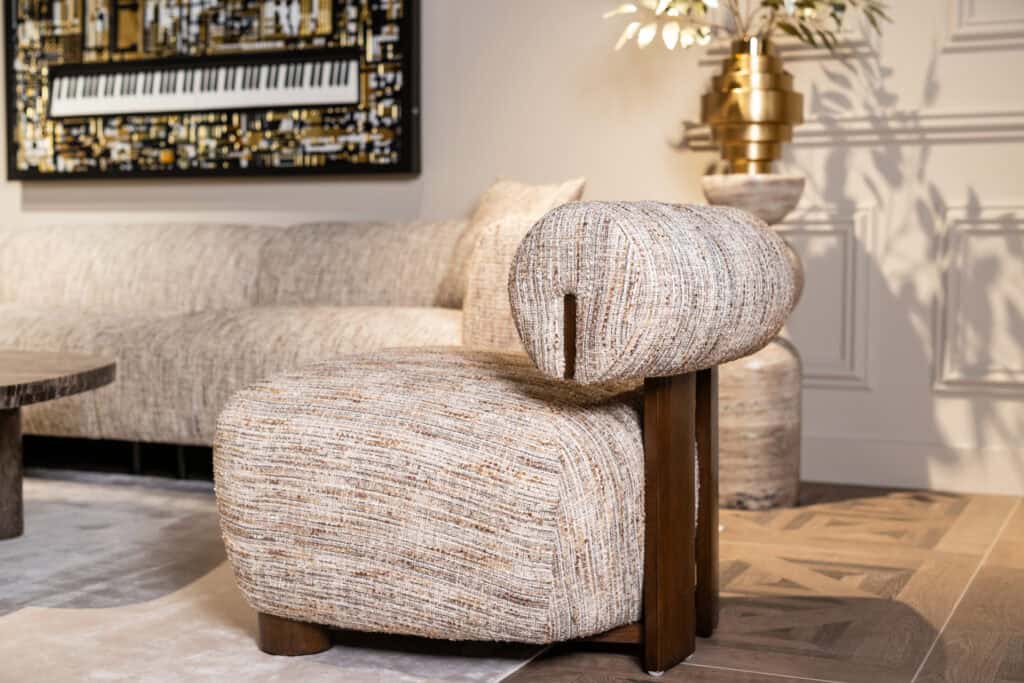
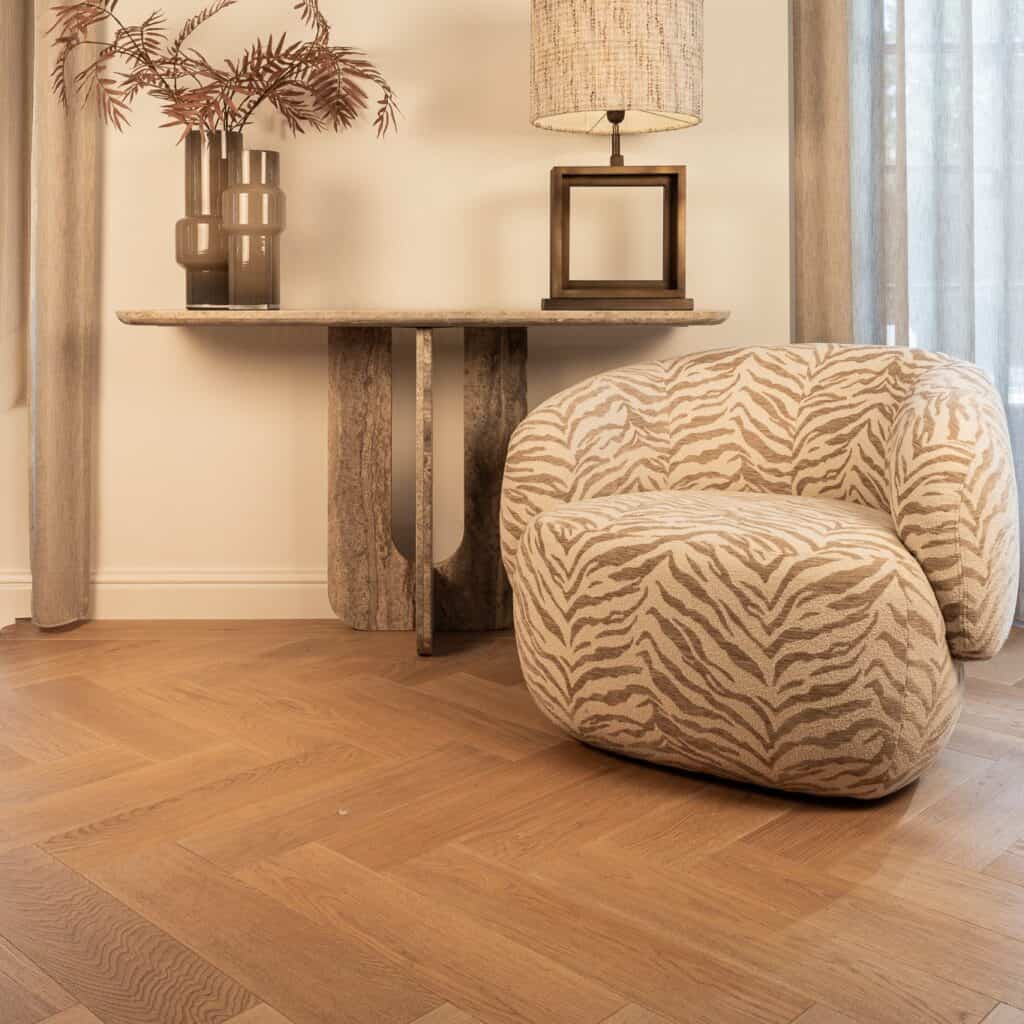
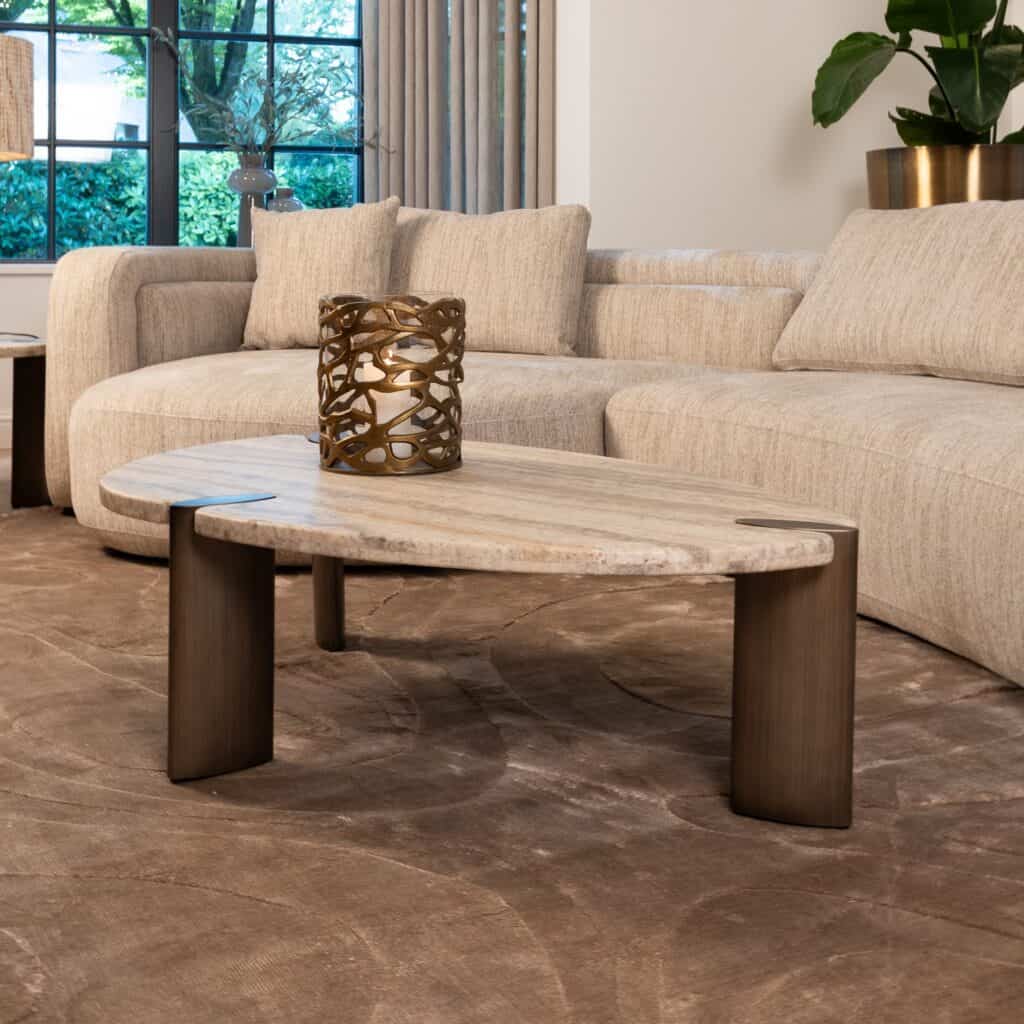
Atmosphere is created when materials and shapes interact with one another. A matte ceramic vase next to a shiny metal Candle holder, a bouclé pillow against a linen Sofa, a marble Bowl on a wooden side table. The contrast between textures makes an interior visually interesting without becoming overwhelming.
Specific accessories that instantly add charm to a living room:
Accessories go well together when they share a common visual language based on color, material, or shape. You don’t have to match everything, but there should be a clear thread connecting your choices. A consistent color palette or a recurring material, such as brass or natural stone, creates cohesion.
A proven approach is to work with three levels: a dominant color or material as the base, a secondary tone or texture to complement it, and an accent that provides contrast. This prevents an interior from looking too flat, while also ensuring that the eye has a place to rest.
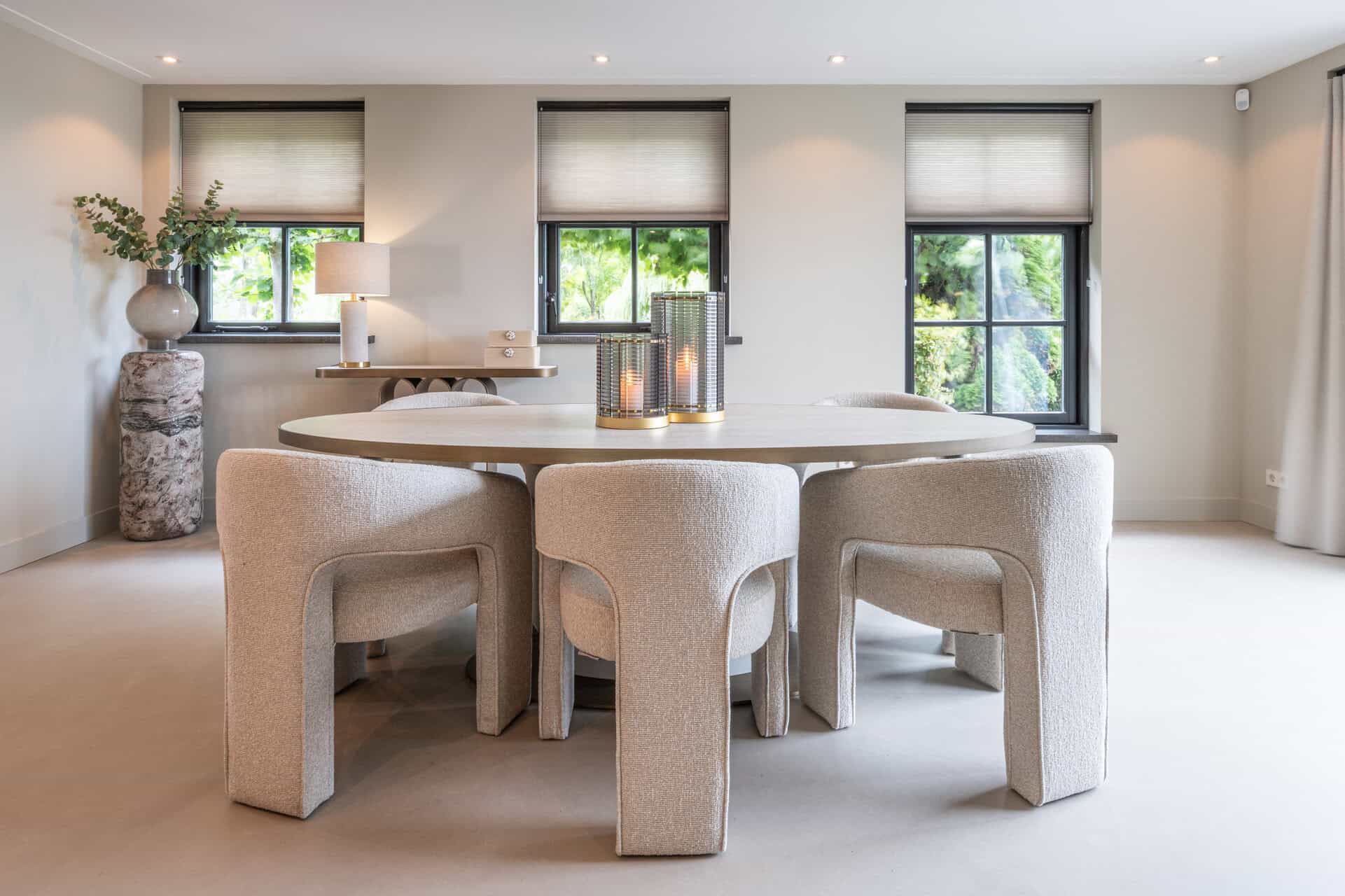
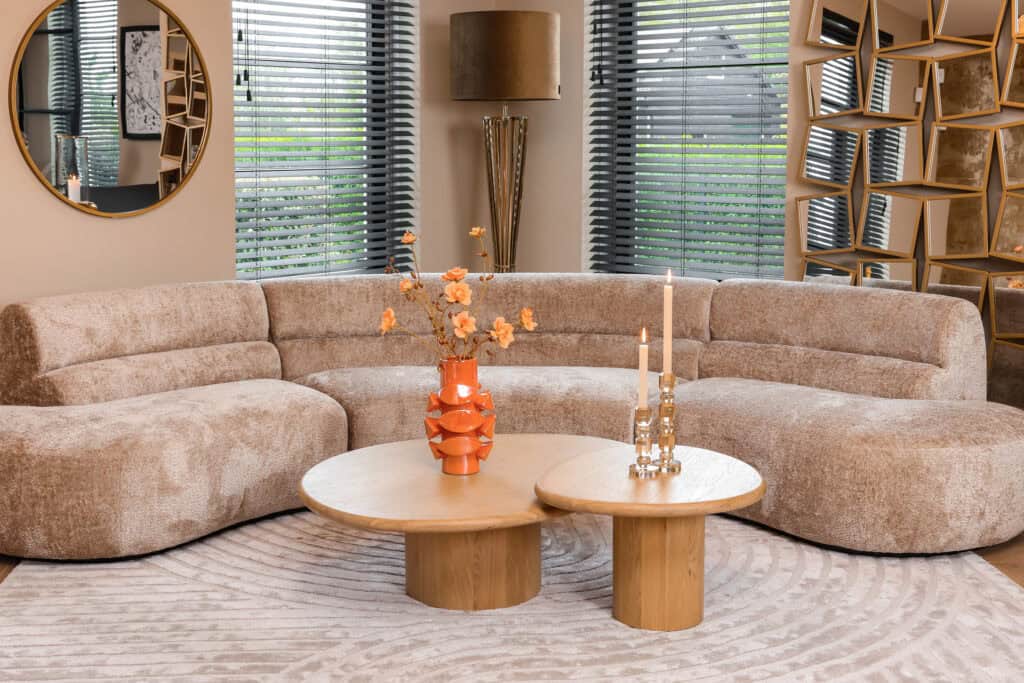
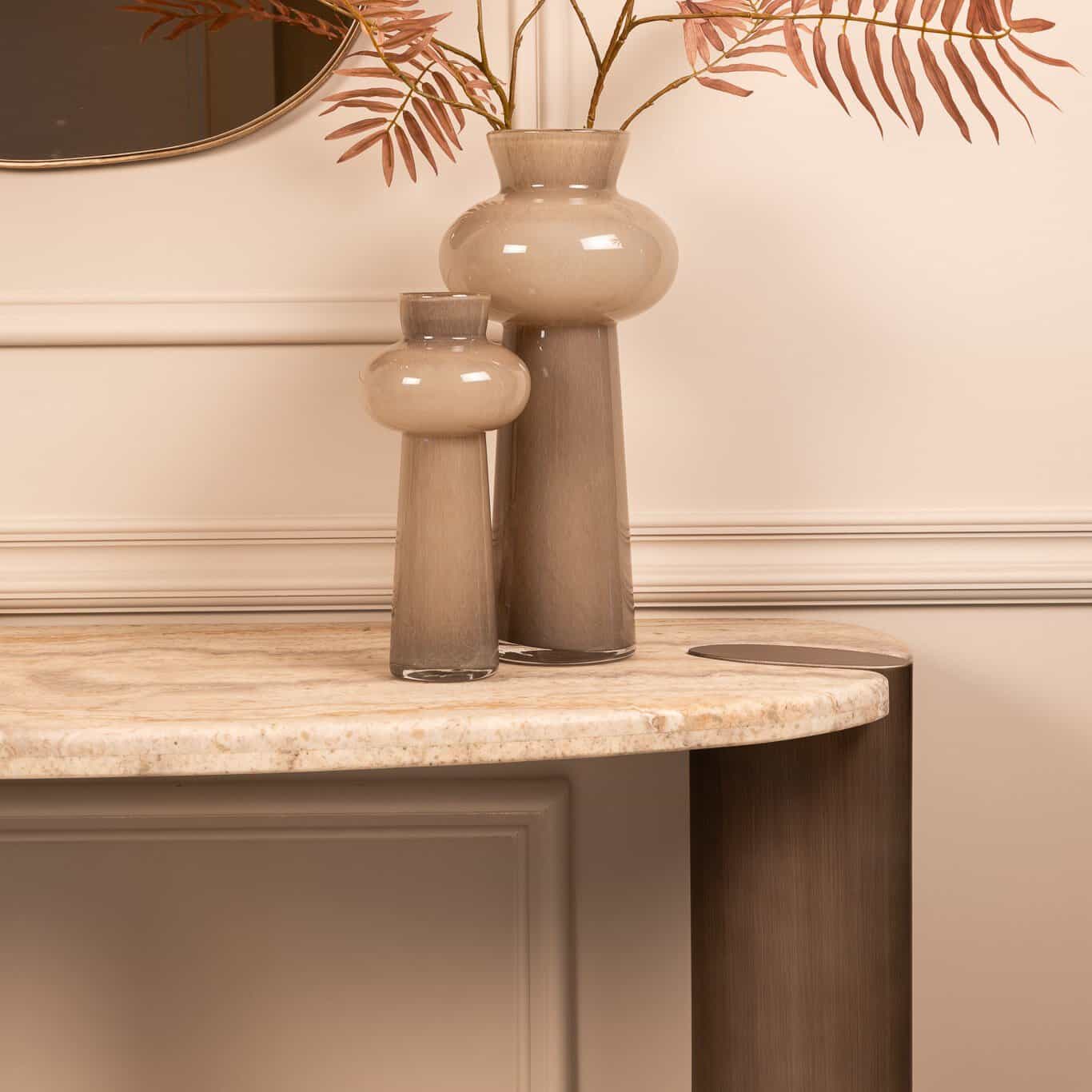
Also consider the relationship between shapes. Round, organic objects create a relaxing and soft atmosphere. Geometric, clean-lined shapes add tension and structure. A combination of both gives a space character. A curved vase next to a rectangular tray, a round mirror above a sleek sideboard: these kinds of combinations feel thoughtful and refined.
When arranging your accessories, also take height differences into account. Deliberately vary the heights of objects on a surface—using tall, medium, and short items. This creates a visual rhythm that guides the eye through the space.
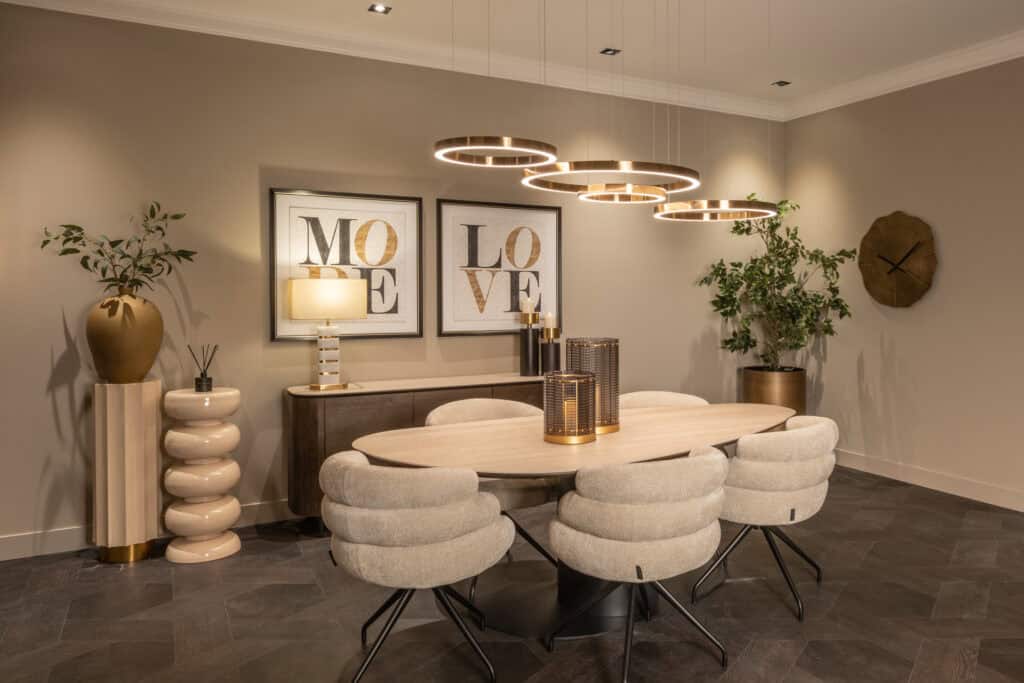
The best lighting for a cozy living room is layered lighting: a combination of ambient light, task lighting, and accent lighting. No single light source can do it all. By combining multiple light sources at different heights, you can create depth, warmth, and an interior that exudes a different atmosphere at every moment of the day.
Ambient lighting, such as a pendant light or ceiling fixture, sets the overall mood of the room. Choose a warm white light color—preferably around 2,700 to 3,000 kelvin—for a warm and inviting atmosphere. A light fixture with a dimming function gives you the flexibility to adjust the brightness to suit the time of day.
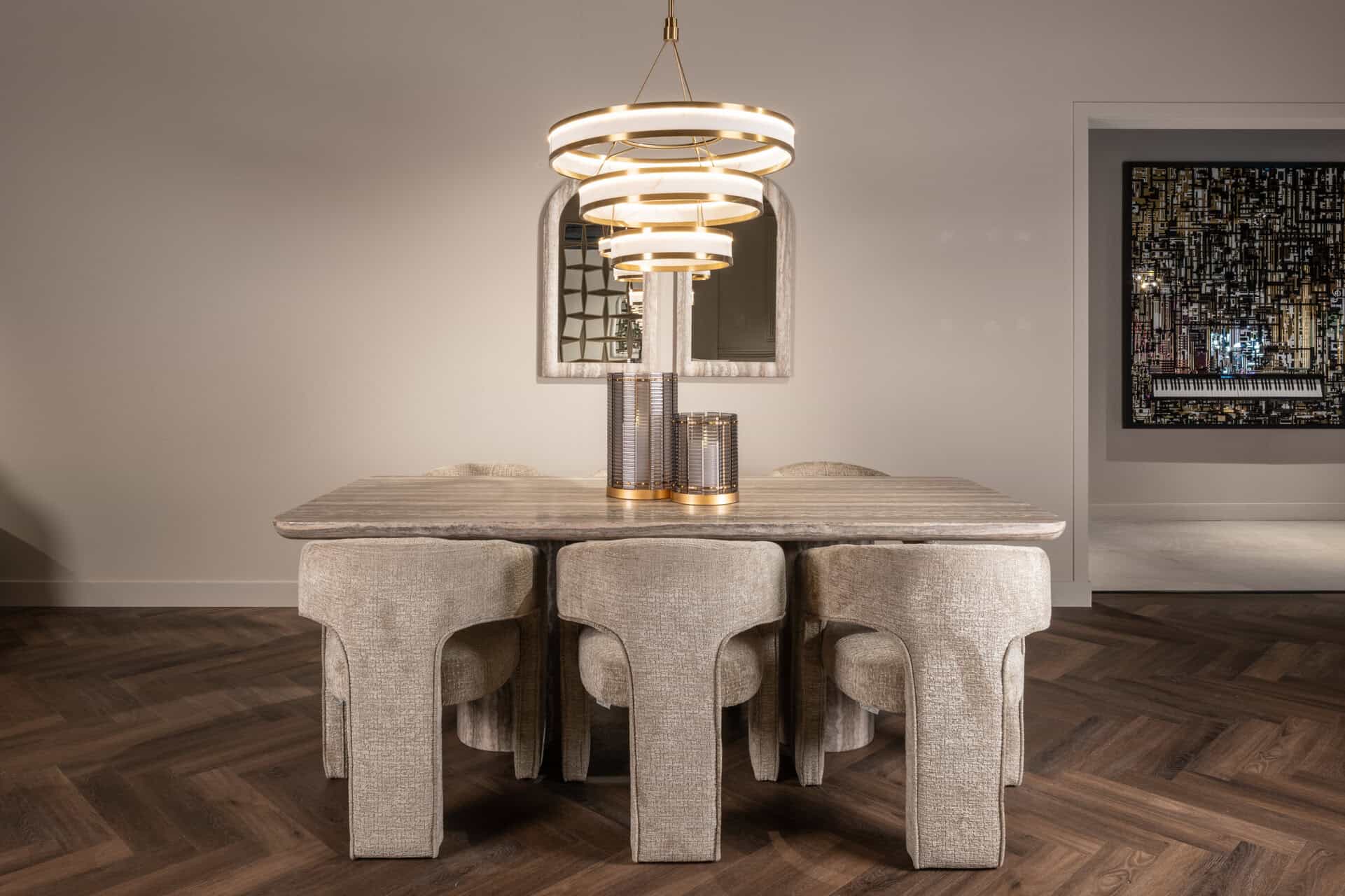
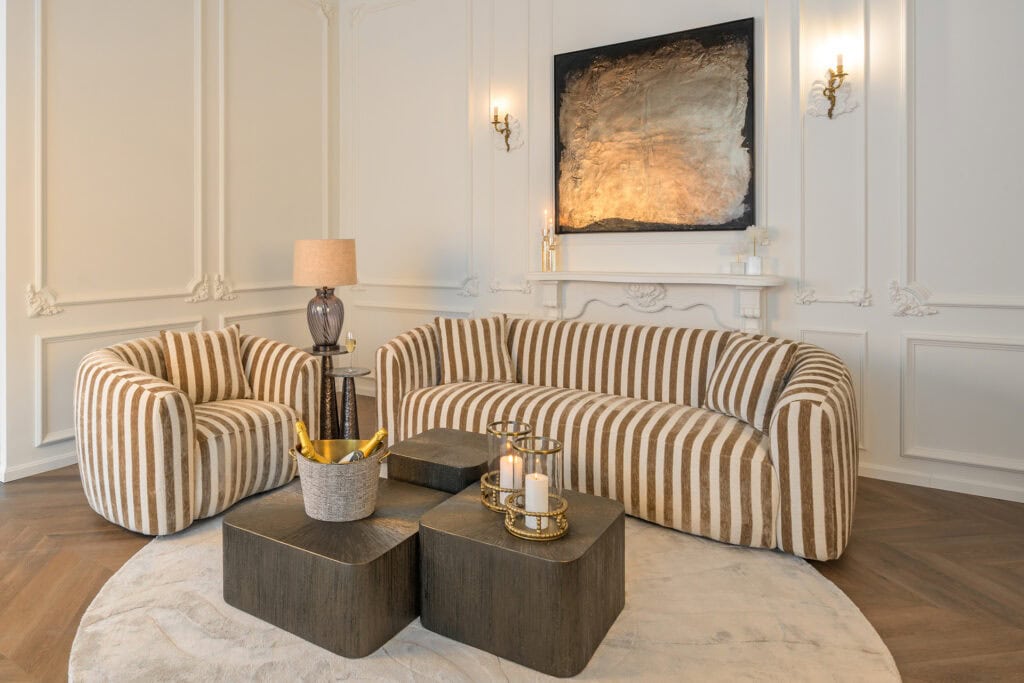
Mood lighting, such as floor lamps, table lamps, and candles, adds warmth and intimacy. Brass and gold fixtures reflect light softly while also adding a decorative element to the interior. A lamp is not only a light source but also an object that contributes to the composition of the space.
Accent lighting draws attention to specific elements, such as a work of art, a bookshelf, or a decorative corner. Spotlights, wall sconces, or a directional floor lamp are suitable for this purpose. By highlighting certain elements, you give the space a dramatic depth that isn’t visible during the day but completely sets the mood in the evening.
There are too many accessories in a living room when the eye can no longer find rest and objects compete with one another instead of complementing each other. A well-designed space has moments of respite: empty spaces and quiet moments that give the objects that are there more significance. Less is often more, but that doesn’t mean minimalist. It means intentional.
A practical guideline is the so-called "rule of three": group objects in odd numbers—preferably three—and vary their height, texture, and shape within that group. Three objects on a side table or sideboard create a sense of composition without feeling overwhelming.
Also take a critical look at surfaces. A coffee table with five separate objects can feel chaotic, while that same table with a tray holding three grouped items creates a calm and intentional look. The tray acts as a visual boundary and gives the group a sense of cohesion.
Tidy up your accessories regularly and take another look at the space. What you miss deserves a place. What you don't miss doesn't need to go back.
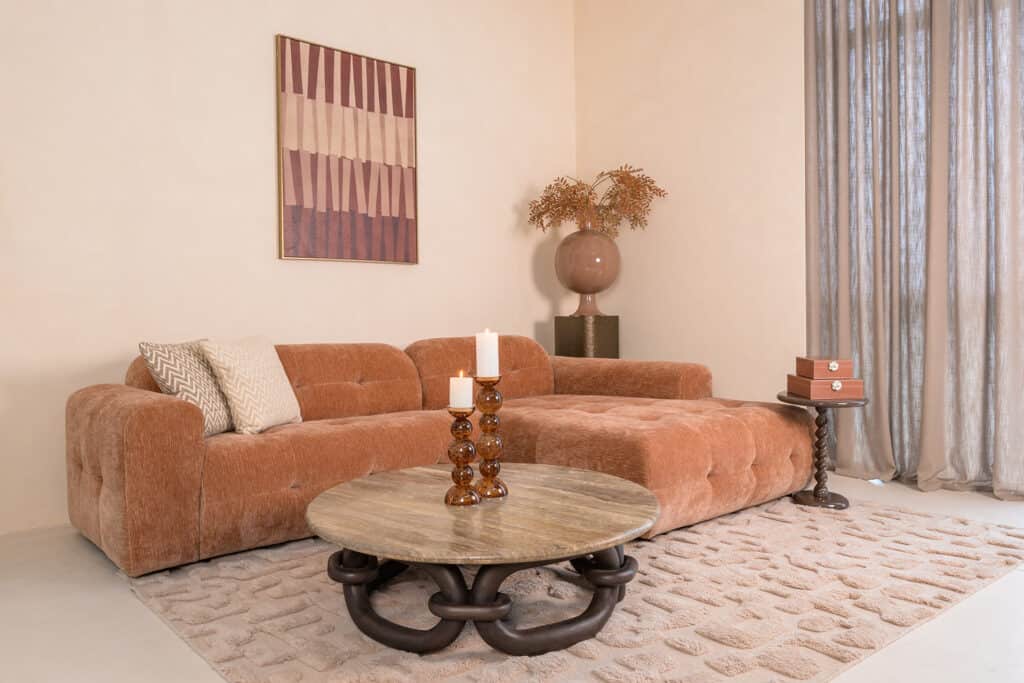
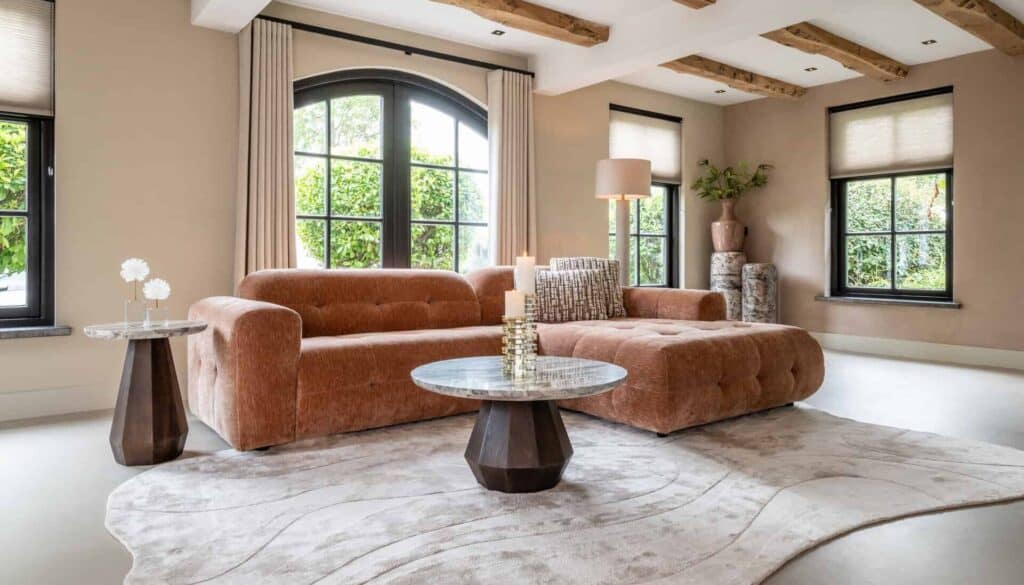
Color combinations that work well for a cozy living room are based on tonal harmony: colors that share similar undertones and complement each other without clashing. Warm earth tones, off-whites, sandy hues, and deeper accents such as terracotta, moss green, or deep blue lend an interior warmth and character.
A neutral base, such as an off-white wall or a sand-colored floor, offers the most flexibility. Starting from that base, you can use accessories to add color and depth without making the space feel overwhelming. Pillows, throws, vases, and artwork are the easiest ways to introduce color—and to remove it again if your taste changes.
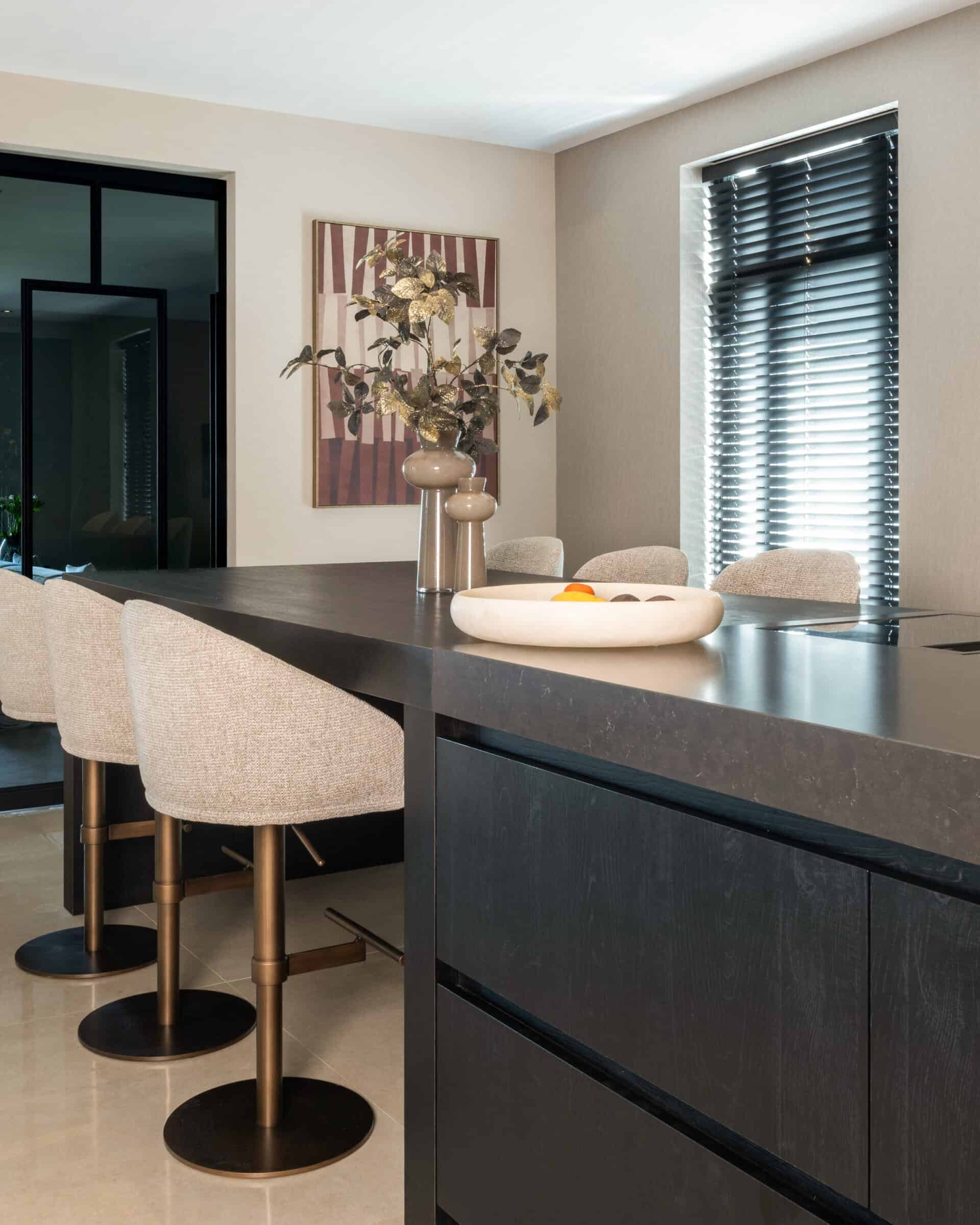
Warm metallic tones such as brass, gold , and bronze serve as color accents that reflect light and give the space a richer look. They act as a bridge between a neutral base color and deeper accent colors. A golden Candle holder next to a terracotta vase on a sand-colored surface is a combination that feels timeless.
Avoid using too many cool shades of gray without a warm counterpart. An interior decorated entirely in cool tones can feel clinical. Always add a warm touch—through wood, textiles, or a warm accent color—to keep the space livable and inviting.
You can change the atmosphere of your living room with each season by switching up the textiles, colors, and decorative accents, without altering the basic layout. The furniture stays in place; the accessories tell the seasonal story. This is the most effective way to keep a space feeling fresh and relevant throughout the year.
In the fall and winter, shift your focus to warmth and coziness. Heavy fabrics like velvet and bouclé, plenty of candles, warm earth tones, and deeper accent colors like burgundy or moss green give the room a cozy, cocooning feel. Add an extra throw to the Sofa and replace light-colored ceramic vases with darker ones or vases with a matte finish.
In the spring and summer, switch things up. Lighter linen pillows and throws, fresh pops of color in sage, terracotta, or soft pink, and more organic materials like rattan or light wood give the space an airy, light feel. Move the candleholders to the front and replace them with vases filled with dried flowers or greenery.
Keep your seasonal accessories organized so that switching them out isn't a chore but becomes a ritual. A nice storage basket or a box for each season makes the transition easy and lets you enjoy the feeling of a refreshed space all over again every year.
A cozy living room starts with accessories and decorative objects that have been carefully designed to work together. At Richmond Interiors , you’ll find an extensive collection of home accessories and decorative pieces that align with the design principles described in this article:
Our collections are available through official Richmond retailers throughout the Netherlands and Europe. Would you like to see the materials and finishes in person? Then visit our “Experience Center ” in Heerhugowaard, open Monday through Saturday from 10:00 a.m. to 4:30 p.m. Are you an interior design professional or reseller and would you like to learn more about our collections? Please contact us, and we’d be happy to tell you more.