How can I avoid making a bad purchase when buying expensive furniture?
Inspiration
Buying a piece of furniture that you end up not liking is rarely the result of poor taste. More often than not, it stems from a lack of knowledge about materials, proportions, or how a piece will look in an actual room. Those who understand what to look for in terms of quality, design, and finish will make choices that enrich an interior for years to come. The questions below offer guidance at each of these decision-making moments.
When assessing the quality of furniture, three things matter most: the materials, the construction, and the finish. Solid wood, natural stone, metal frames, and high-quality fabrics behave differently than superficial imitations. Look at the joints, seams, weight, and the way a surface feels. That tells you more than a product description ever could.
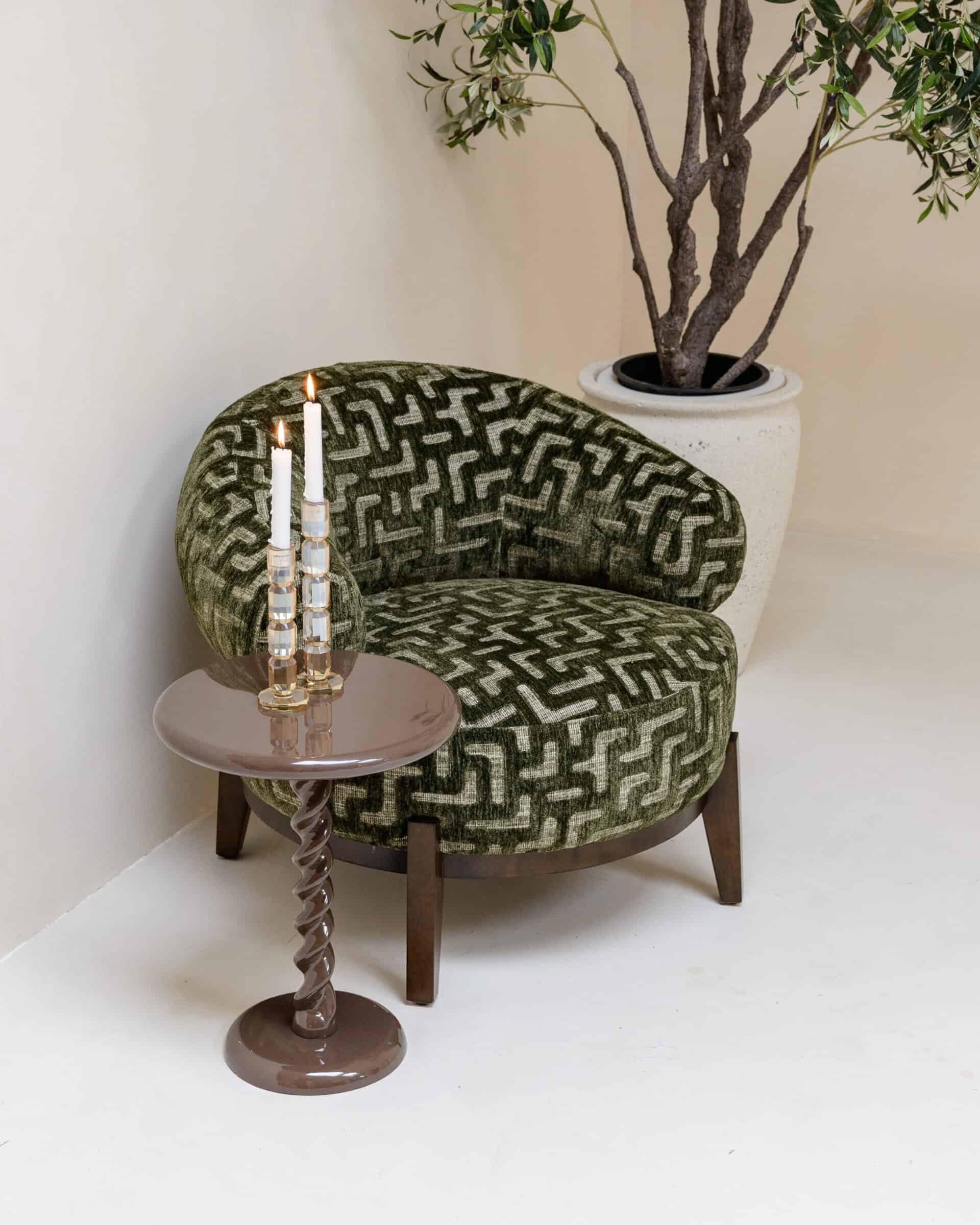
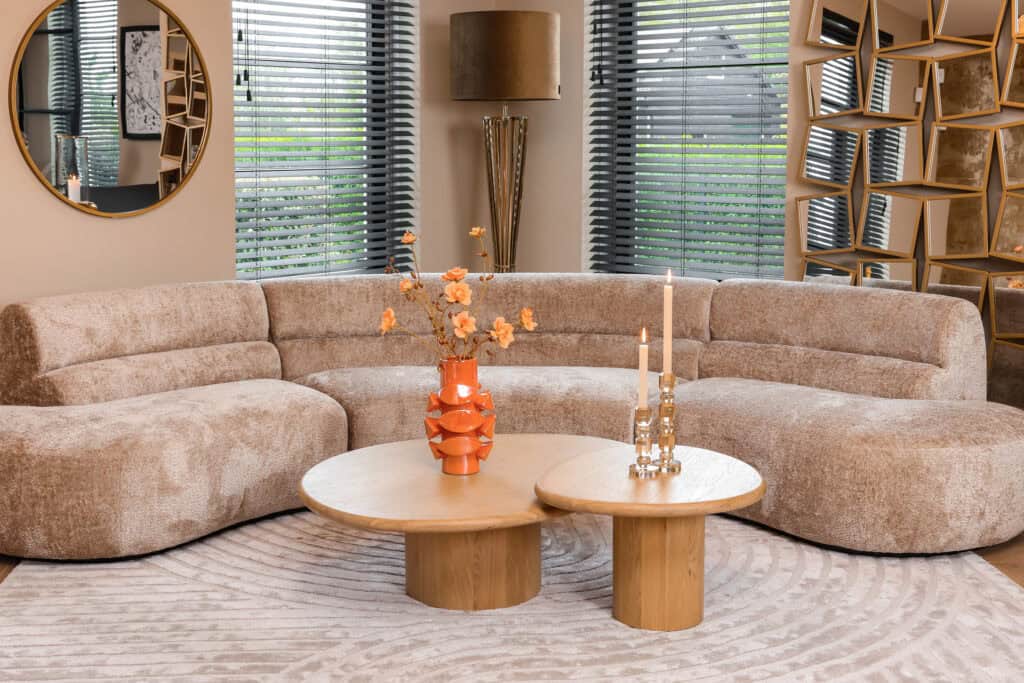
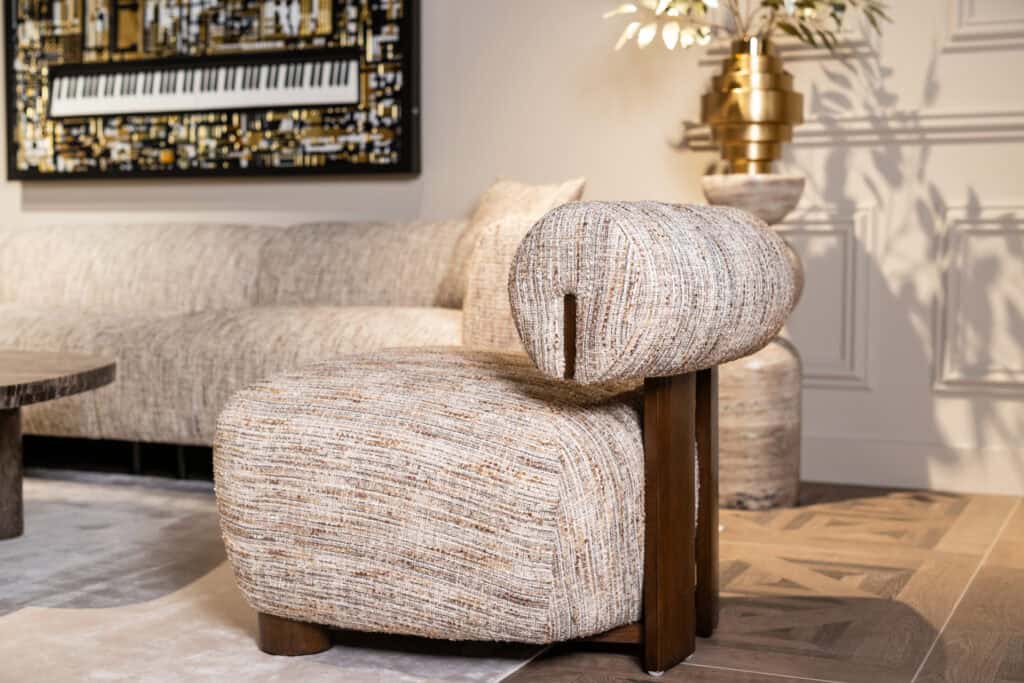
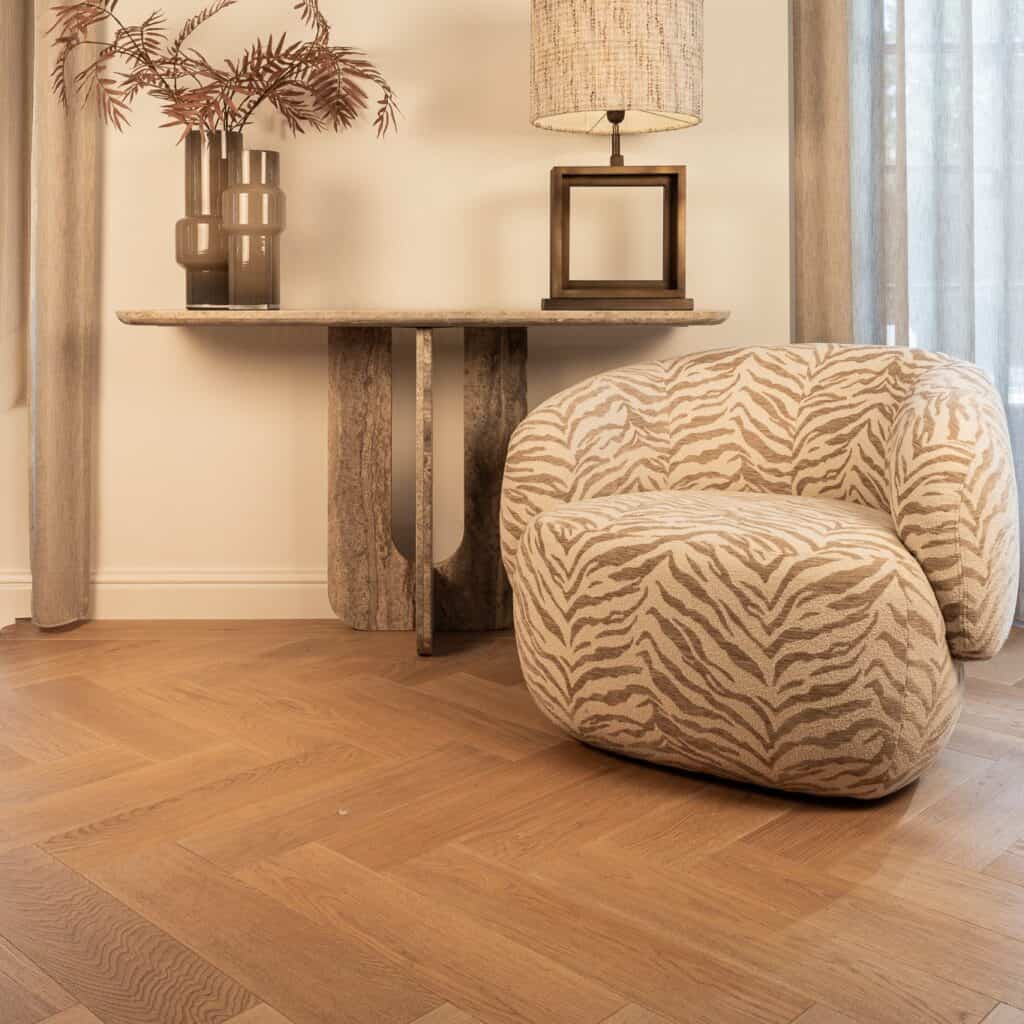
Solid wood has a visible grain that continues along the sides. MDF or particleboard feels lighter and often has a uniform, synthetic surface on the underside or inside. With upholstered furniture, the resilience of the foam, the density of the woven fabric, and the precision of the stitching are indicators of its lifespan. Bouclé, velvet, and textured fabrics are not only visually interesting; they also respond differently to light and touch than smooth fabrics.
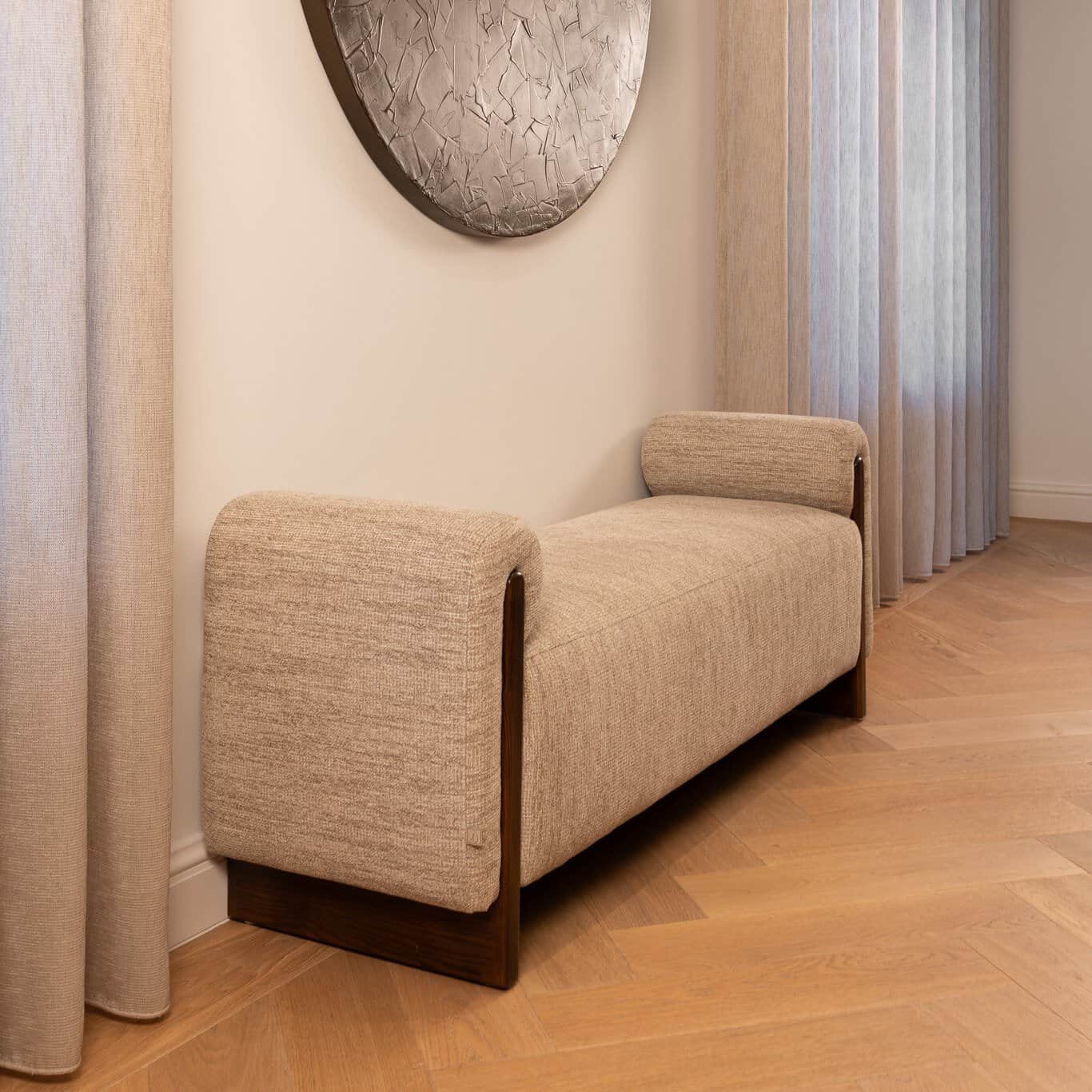
Also pay attention to the finish of details that are less visible: the inside of a drawer, the underside of a tabletop, the way a leg joins the frame. Craftsmanship is evident in places where the maker knew you would look, but also in places where he thought you wouldn’t notice.
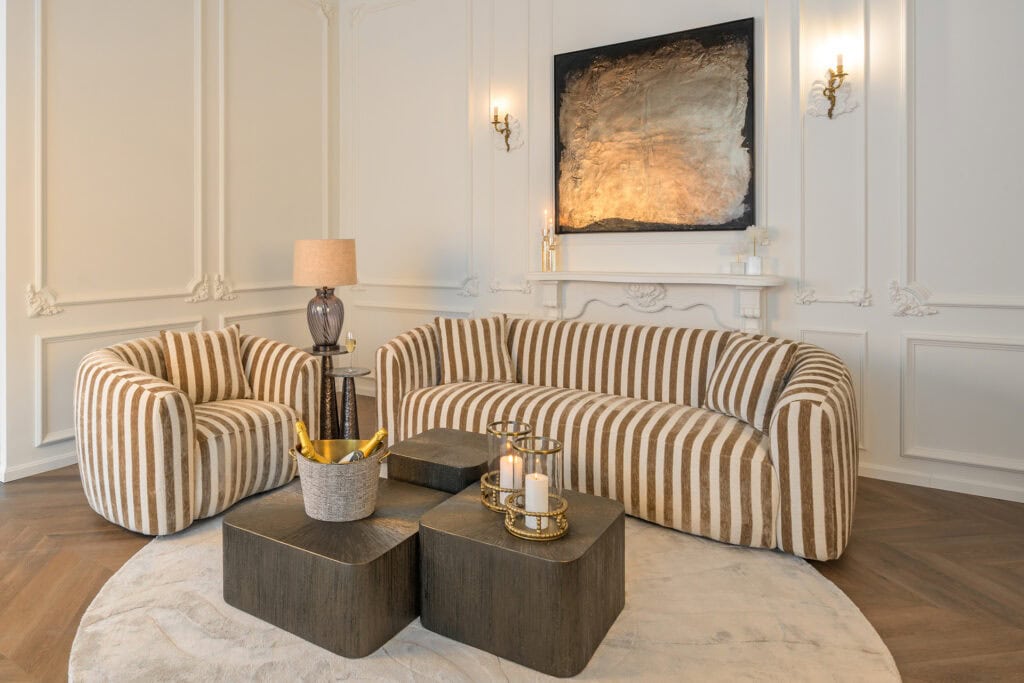
A piece of furniture complements your interior when it contributes to the proportions, color palette, and atmosphere of the space as a whole. This goes beyond simply matching styles. It’s about how materials, shapes, and textures enhance or detract from one another. A heavy, dark cabinet in a small, dimly lit room has a different effect than the same piece in a tall, bright room.
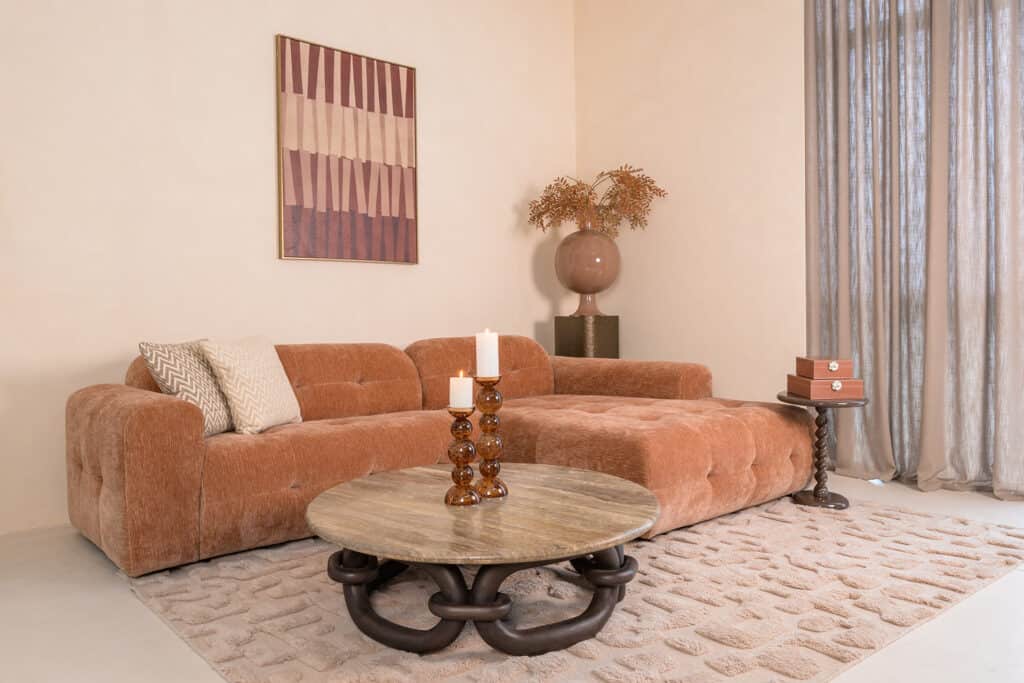
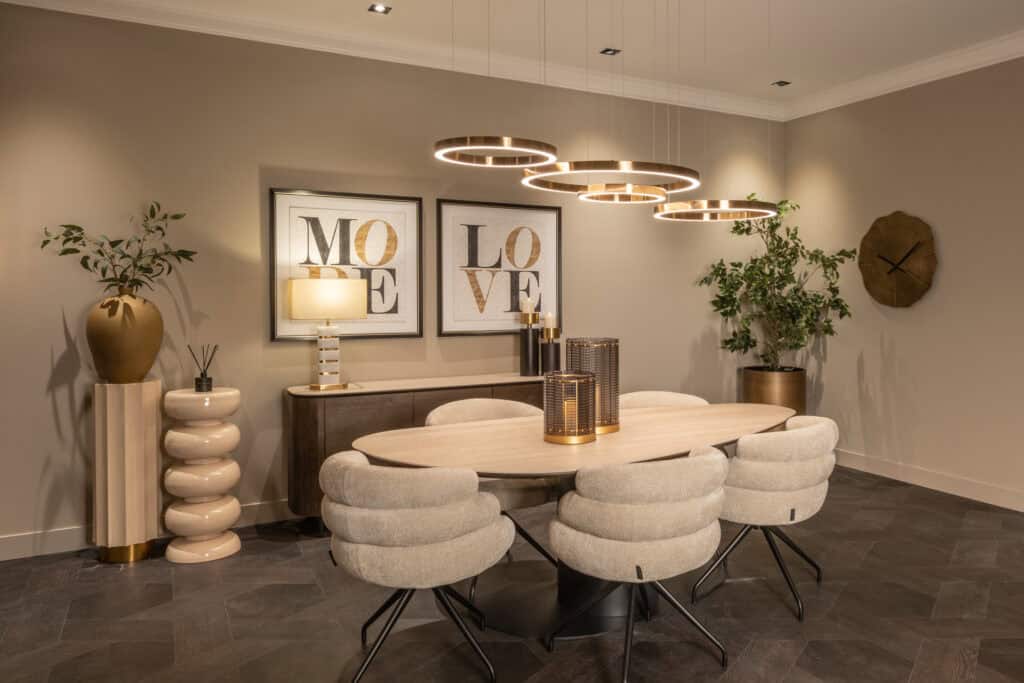
Start with the proportions. A table that’s too big for a dining room draws all the attention to itself and makes the space feel smaller. A Sofa that’s too low for high ceilings loses its appeal. Size and Bowl aren’t technical details—they’re design decisions.
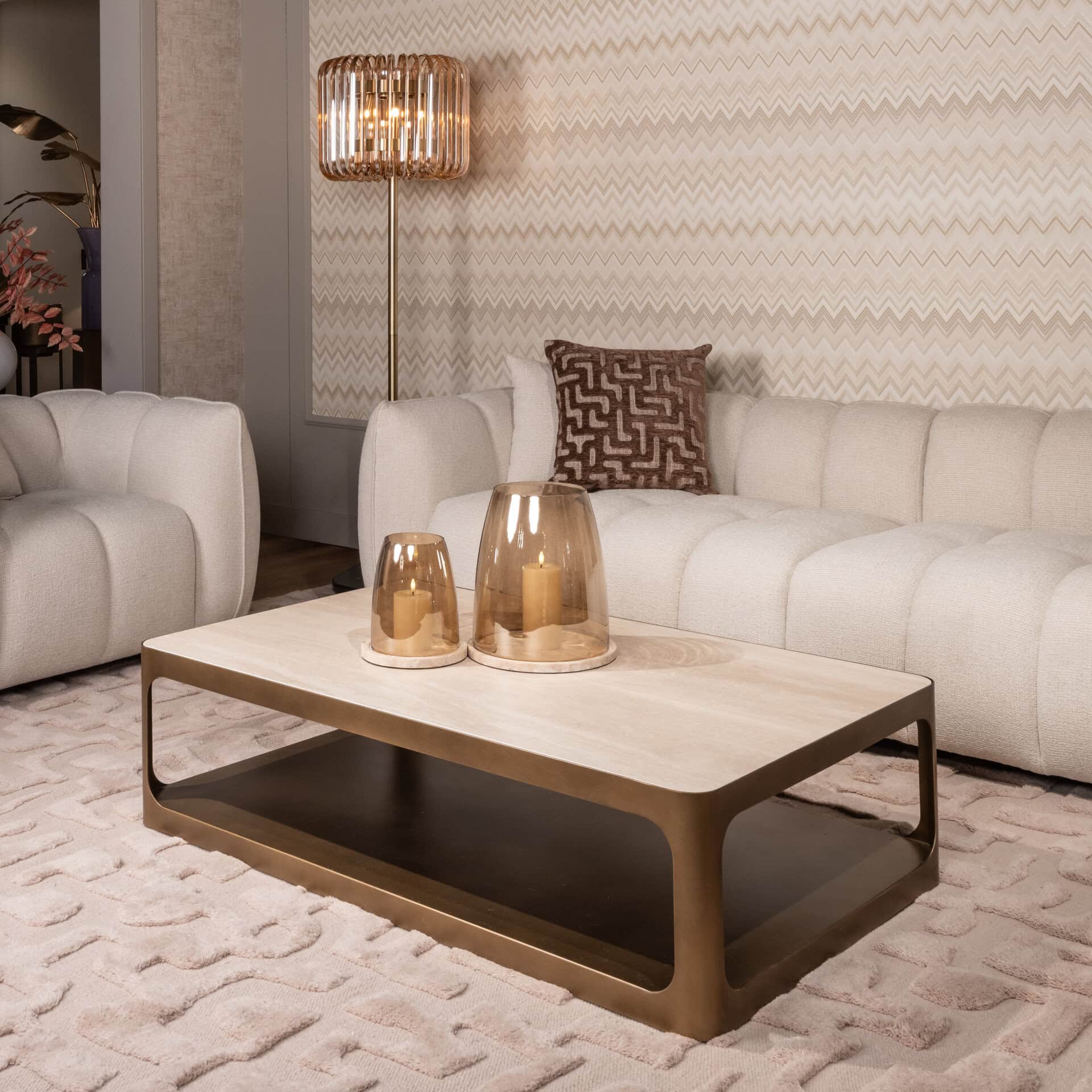
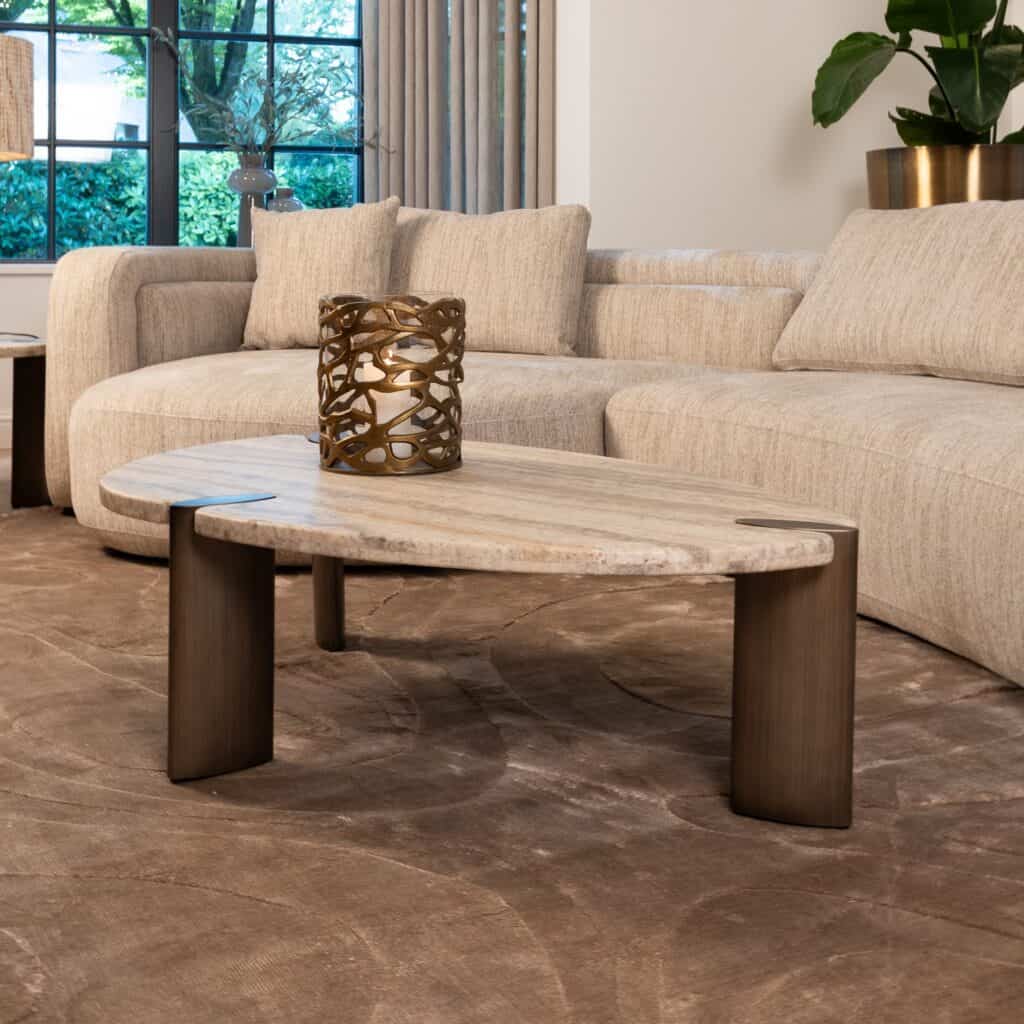
Next: materials and texture. Natural stone and wood together create warmth and depth. Metallic accents—especially in brass or brushed gold —reflect light in a way that brings a space to life. If you’re combining multiple materials, make sure to include a unifying element: a color, a finish, or a line that recurs in several pieces.
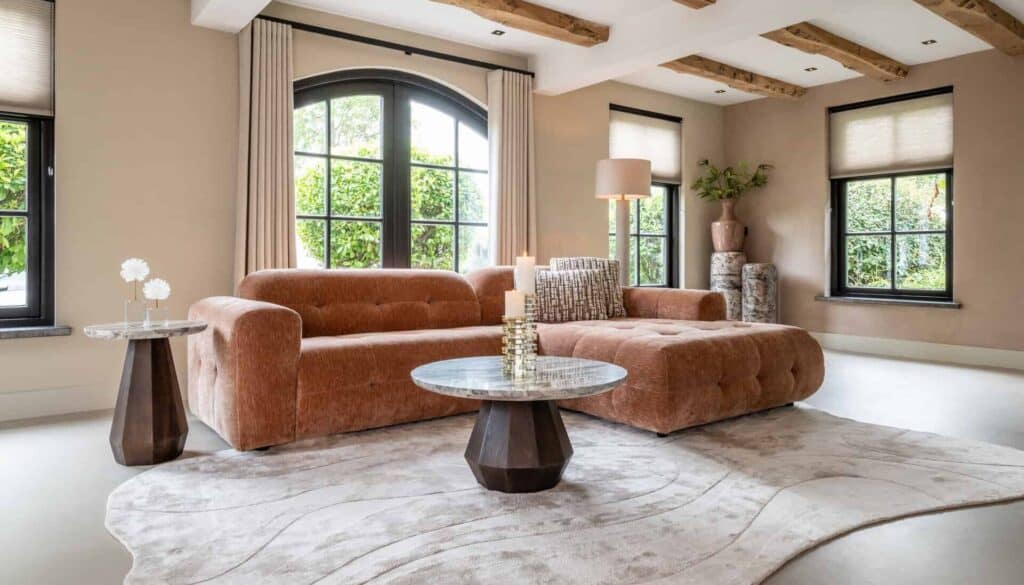
Also consider the existing natural light. A travertine-like surface, with its soft, porous texture, absorbs light differently than polished marble. This gives it a calmer, more natural look, which has a very different effect in a living room with plenty of natural light than in a windowless hallway.
The most common mistake when purchasing luxury furniture is making a decision based on a single element, such as color or shape, without considering how the piece will look in the context of the rest of the room. Other common mistakes include underestimating Bowl, ignoring how materials behave, and choosing based on a trend without considering timelessness.
A reliable furniture retailer or brand can be recognized by its transparency regarding materials, its commitment to customer service after the purchase, and a consistent design philosophy that goes beyond seasonal trends. Look at how a brand presents its collections and whether it can provide a substantive explanation for why certain choices were made in terms of materials, form, and finish.
Ask about the origin of the materials and how the furniture is manufactured. A brand that is open about this stands behind its product. Also ask about warranty terms and how the brand handles complaints or replacement parts. This says something about the long-term relationship the brand builds with its customers.
Also take a look at the retail locations. Brands that carefully select their partners ensure the quality of service and presentation. A good retail location offers the opportunity to compare materials, get a feel for the proportions, and receive advice from someone who knows the brand and its collections well.
A piece of furniture justifies its place in an interior when its materials, finish, and form contribute to the room’s ambiance in a way that cheaper alternatives cannot match. It is not the purchase price that determines whether a piece is valuable, but the role it plays in the overall design and the way it holds up over the years.
Solid wood furniture becomes more beautiful as it ages. Natural stone tabletops develop a patina. High-quality fabrics retain their texture and color longer than synthetic alternatives. This means that a piece of quality furniture will still look great after five years, while an inferior alternative will have long since lost its appeal.
A piece of furniture is also more valuable when it serves as a focal point in an interior. A dining table made of distinctive materials, a Sofa with unique lines, or a cabinet with a finish that reacts to light: pieces like these give a space its identity. They make it easier to choose the rest of the interior, because they set a direction that stands the test of time.
At Richmond Interiors , we operate on the belief that a beautiful interior begins with an understanding of materials, proportions, and the way pieces come together to form a whole. Our collections are developed with a focus on:
We do not sell directly to consumers. Our entire collection is available through carefully selected retailers. Find a Richmond retailer near you to experience the materials and finishes in person. Or visit us Experience Center in Heerhugowaard, open Monday through Saturday from 10:00 a.m. to 4:30 p.m., where you can see, feel, and compare the collections in an inspiring setting. Do you have any questions? Please contact us, and we’ll be happy to help.