Where can I find inspiration for a luxurious interior?
Inspiration
You can find inspiration for a luxurious interior in many places: from carefully curated online platforms and trade magazines to showrooms where you can experience materials and proportions in person. The strongest inspiration comes when you combine different sources and filter them specifically based on your style, material preferences, and the atmosphere you want to create. This article addresses the most important questions about interior design inspiration, from style choices and mood boards to materials and how to translate them into a cohesive result.
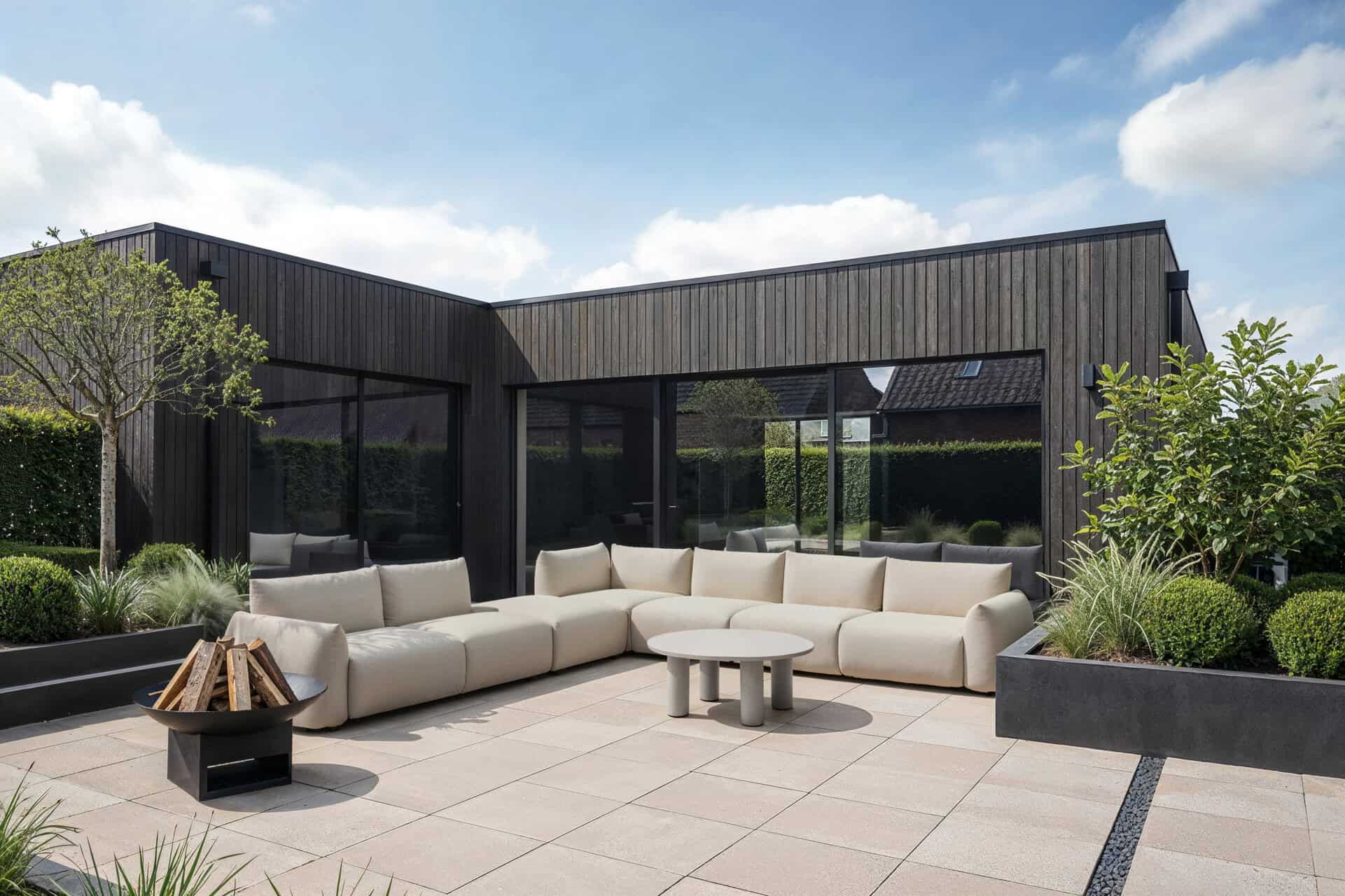
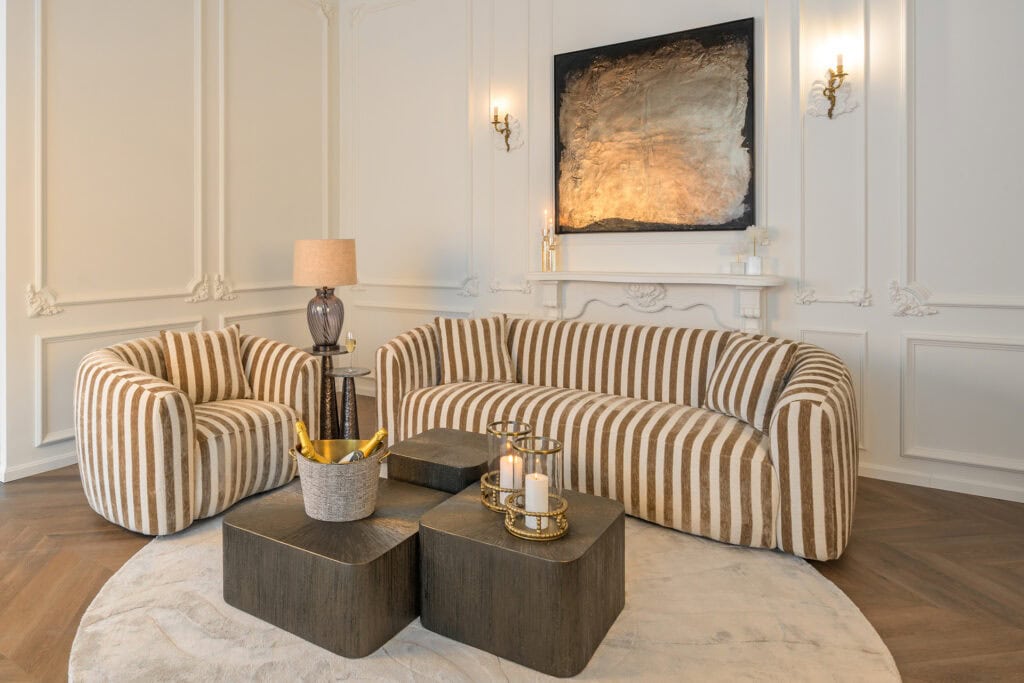
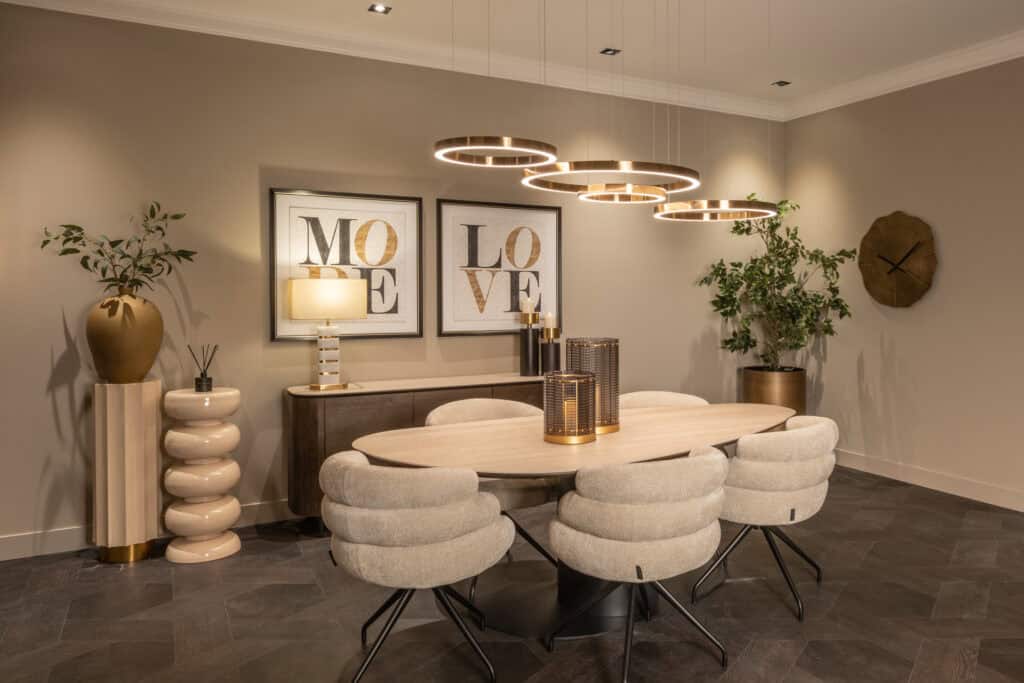
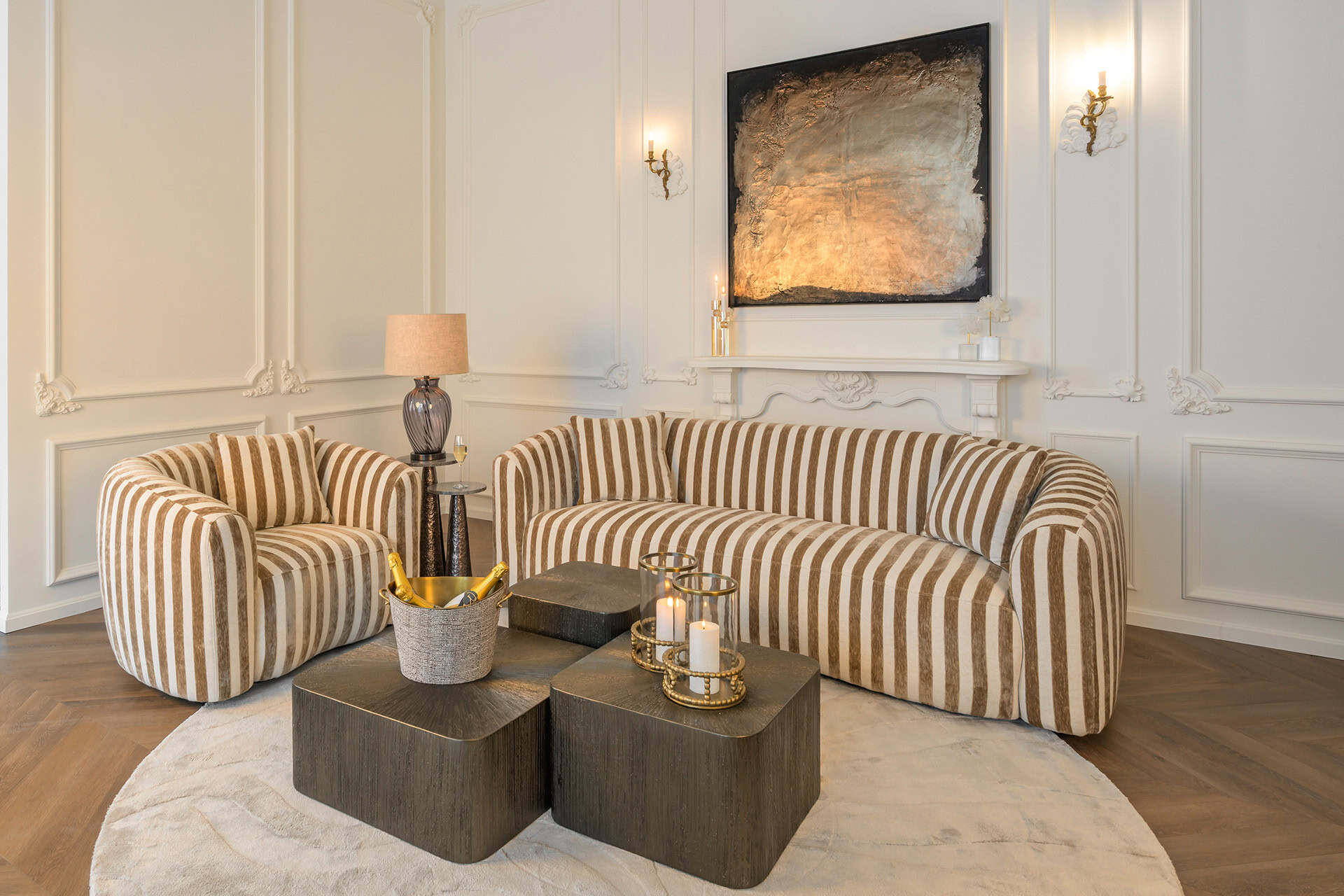
A luxurious interior is not a fixed style, but a level of quality that is reflected across various design styles. Whether you choose a classic, contemporary, or organic modern interior, luxury is defined by the choice of materials, the refinement of details, and the harmony among all the elements in a space.
The most recognizable styles that lend themselves to a luxurious look are:
What all these styles have in common is a focus on proportions, finishes, and the way materials interact with one another. Luxury interior design ideas always start with a clear choice of style that serves as a guiding principle for all subsequent decisions.
Online, you can find luxury interior design inspiration on platforms that focus on design, craftsmanship, and aesthetics. The most valuable resources are those that go beyond superficial trends and also provide context about materials, forms, and the overall atmosphere of an interior.
Pinterest is ideal for identifying visual patterns in your own taste. By collecting images, you can quickly see which materials, colors, and shapes keep recurring. Instagram gives you access to interior designers, stylists, and brands who share their work along with explanations of their design choices. That makes the platform not only inspiring but also educational.
International design publications such as Architectural Digest, Elle Decor, and Dezeen feature projects by top interior designers, along with background information on the design choices made. Here, you can read about why a particular material was chosen, how light affects a space, and which proportions make a space feel larger or, conversely, more intimate. That kind of substantive context makes online inspiration significantly more valuable than simply collecting images.
Be sure to also visit the collection pages of furniture manufacturers operating in the high-end segment. There, you’ll see how collections are structured, which materials are combined, and how pieces relate to one another in a space.
A mood board helps you turn scattered bits of inspiration into a cohesive design direction. You bring together material samples, color palettes, furniture styles, and mood images on a single surface so you can assess whether they work as a whole before making your final choices.
Here's how to put together an effective mood board for a luxury interior:
A mood board isn't a final product, but a tool for thinking. It forces you to make choices and be aware of the connections between all the elements of an interior.
Luxurious interiors are characterized by materials with a distinct character and a color palette that creates depth and warmth without feeling overwhelming. The choice of materials largely determines the atmosphere of a space, regardless of the style you’re aiming for.
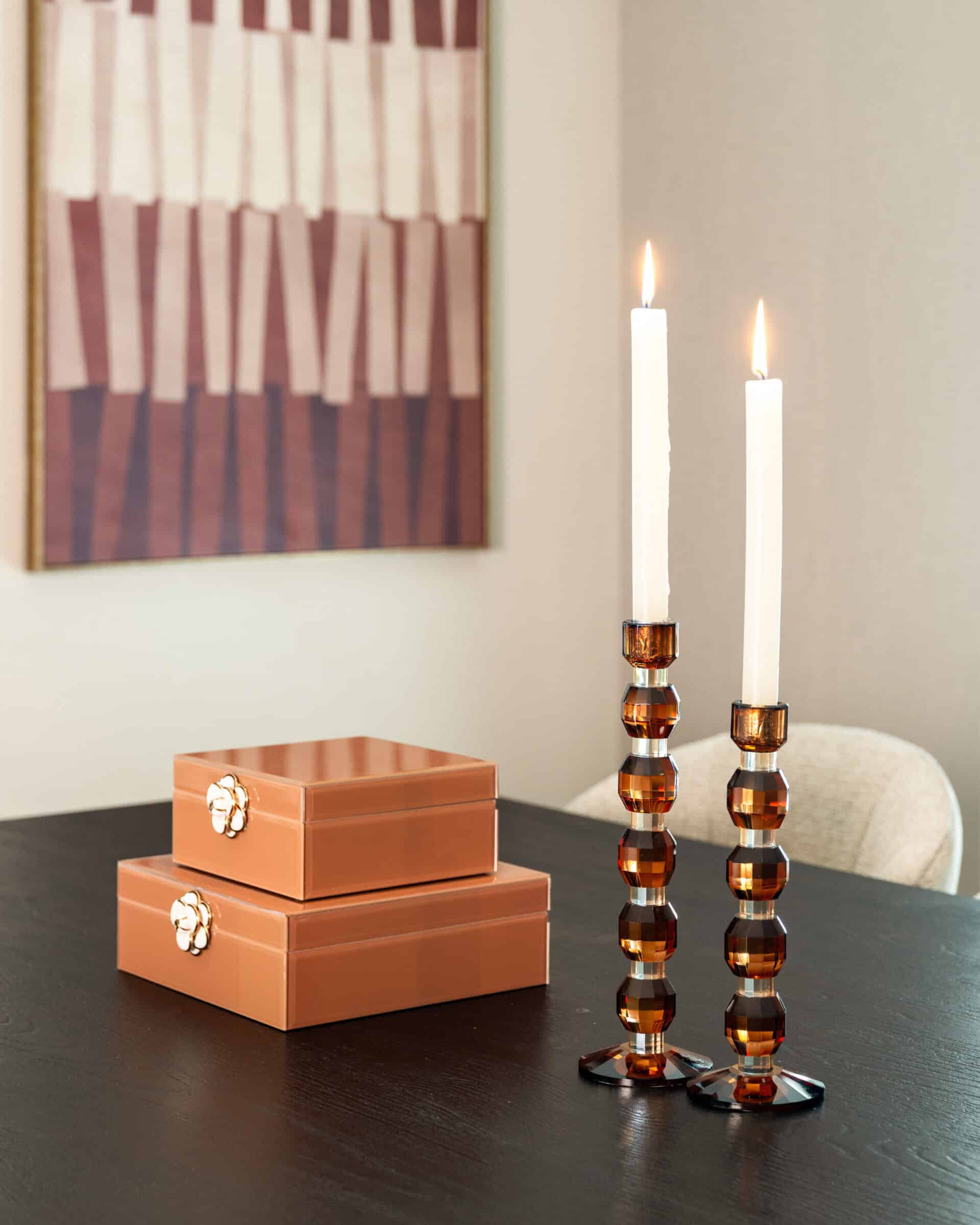
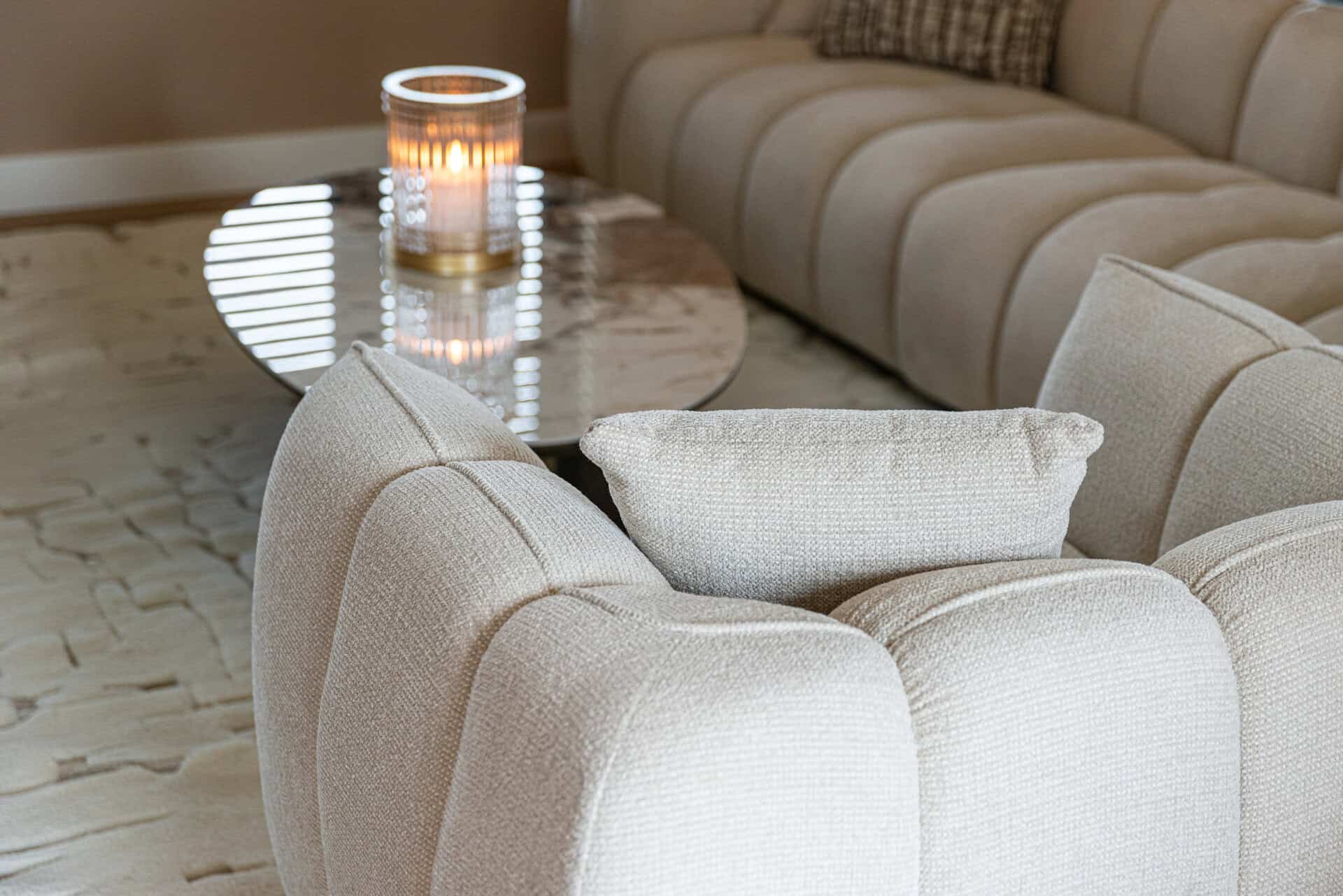
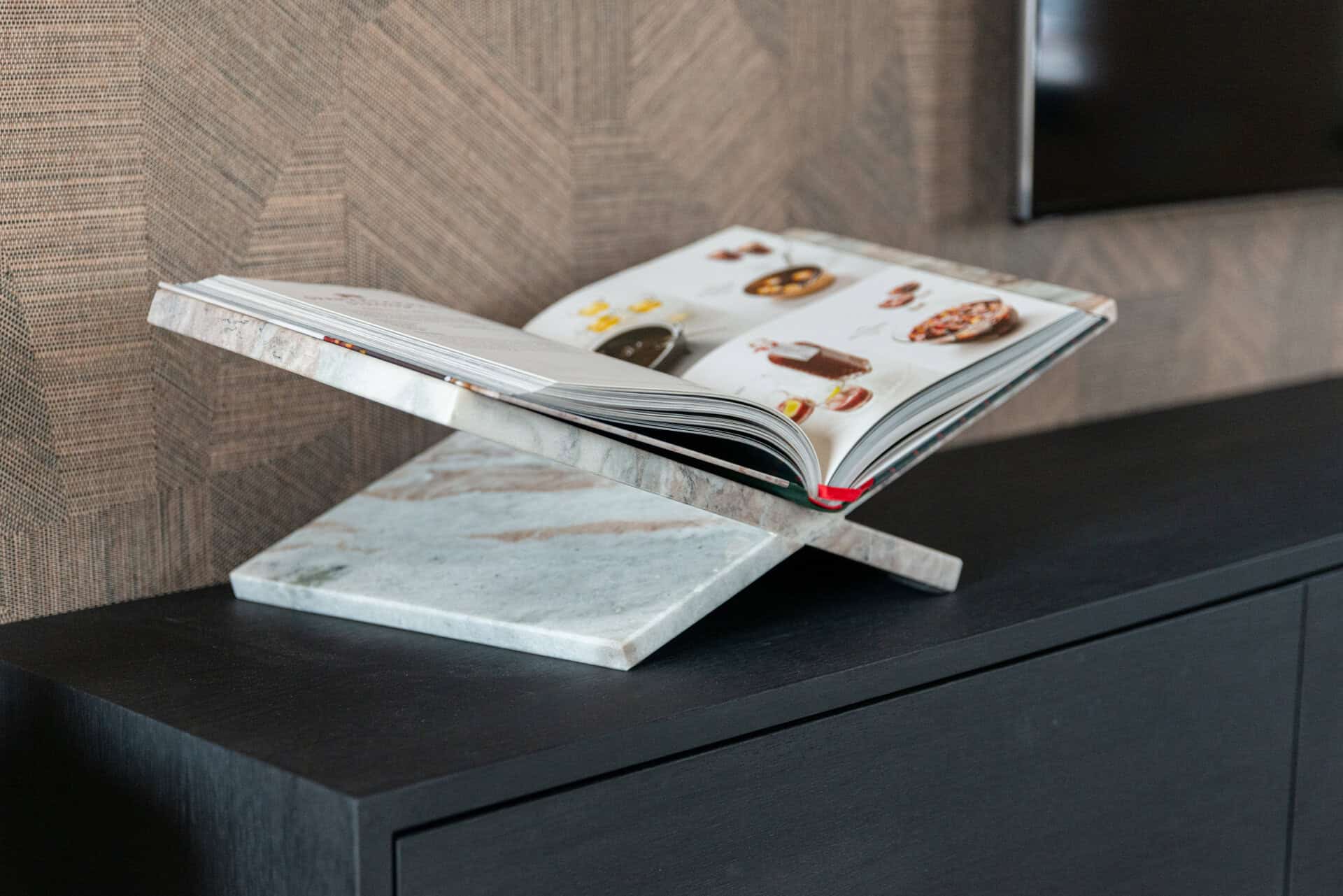
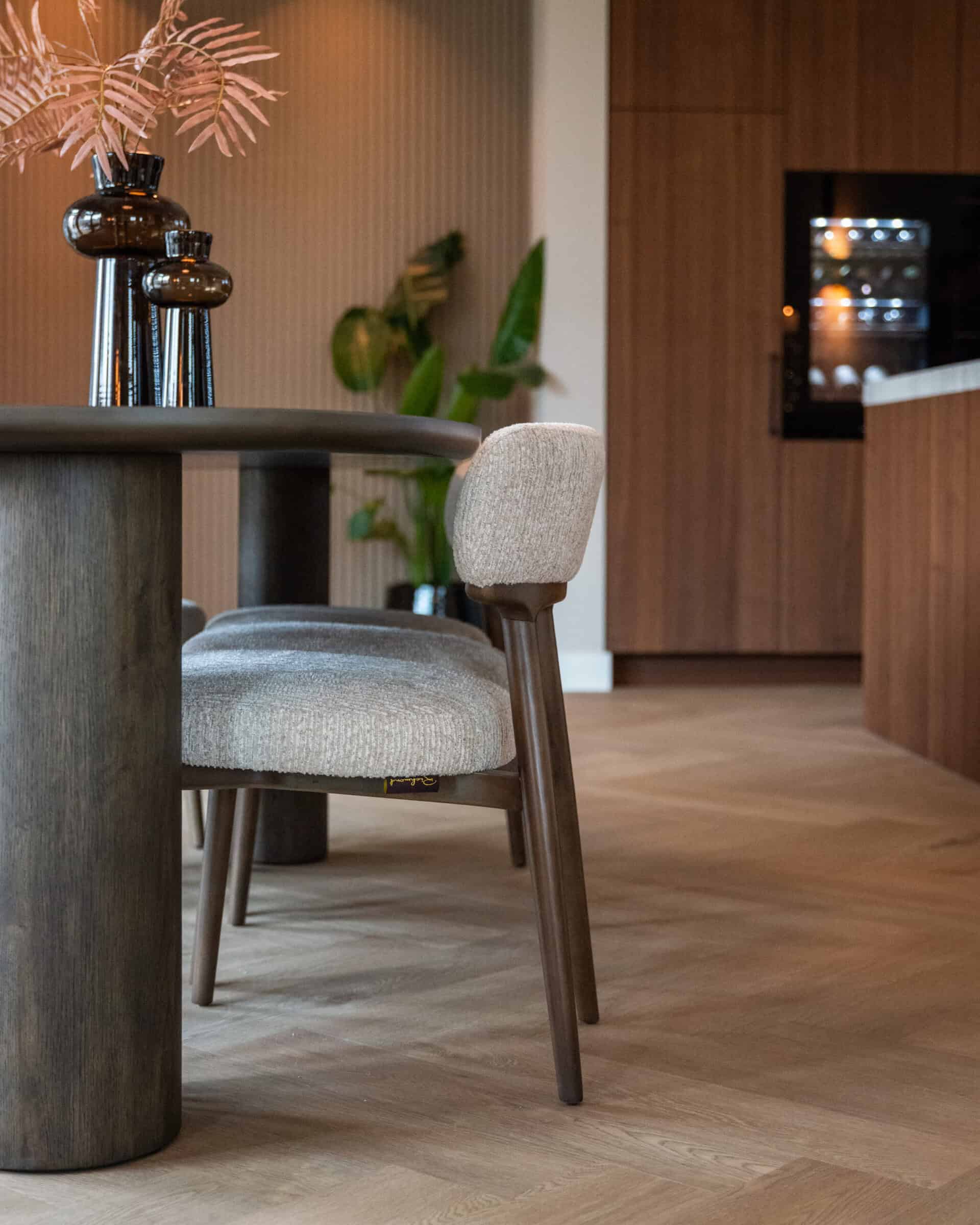
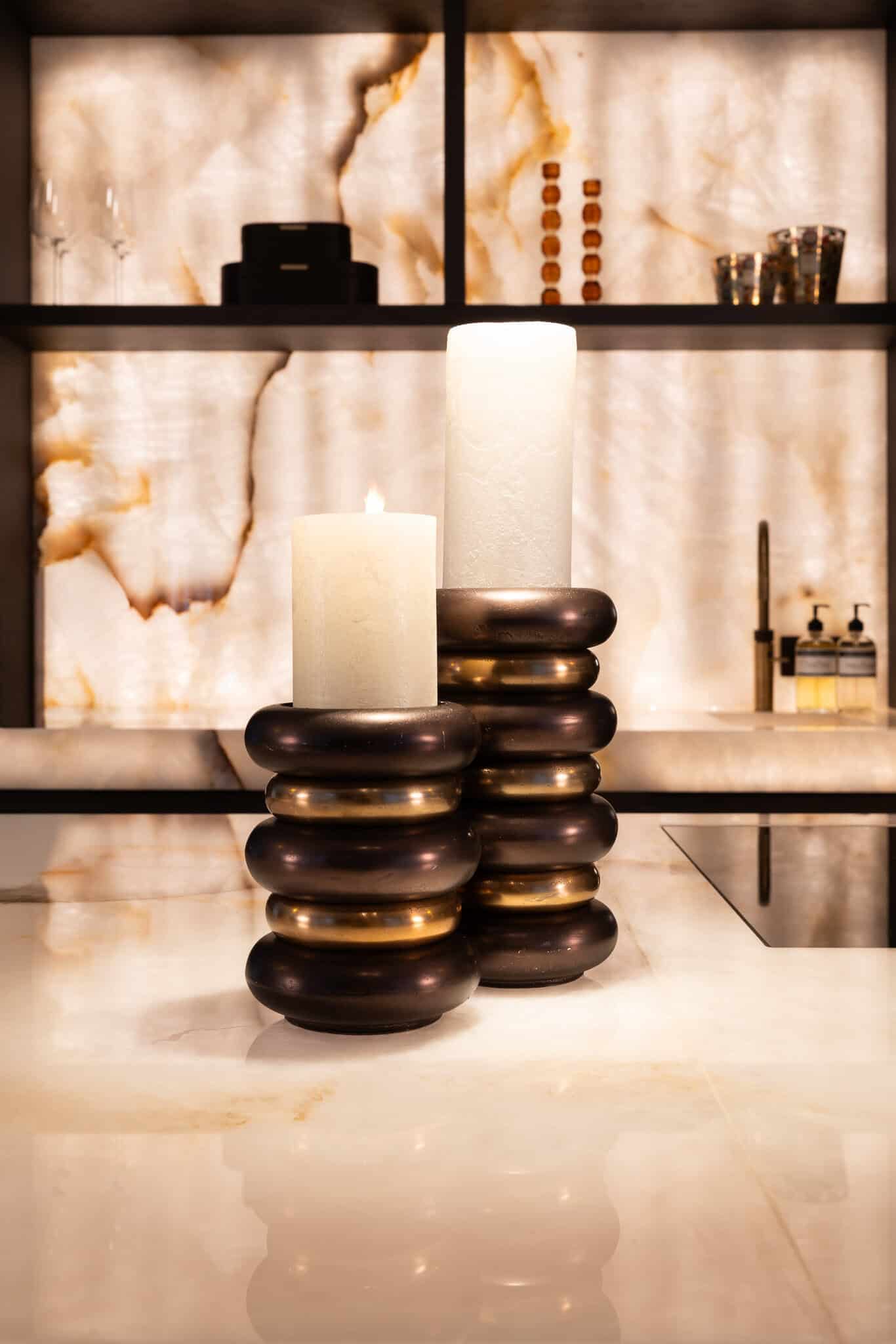
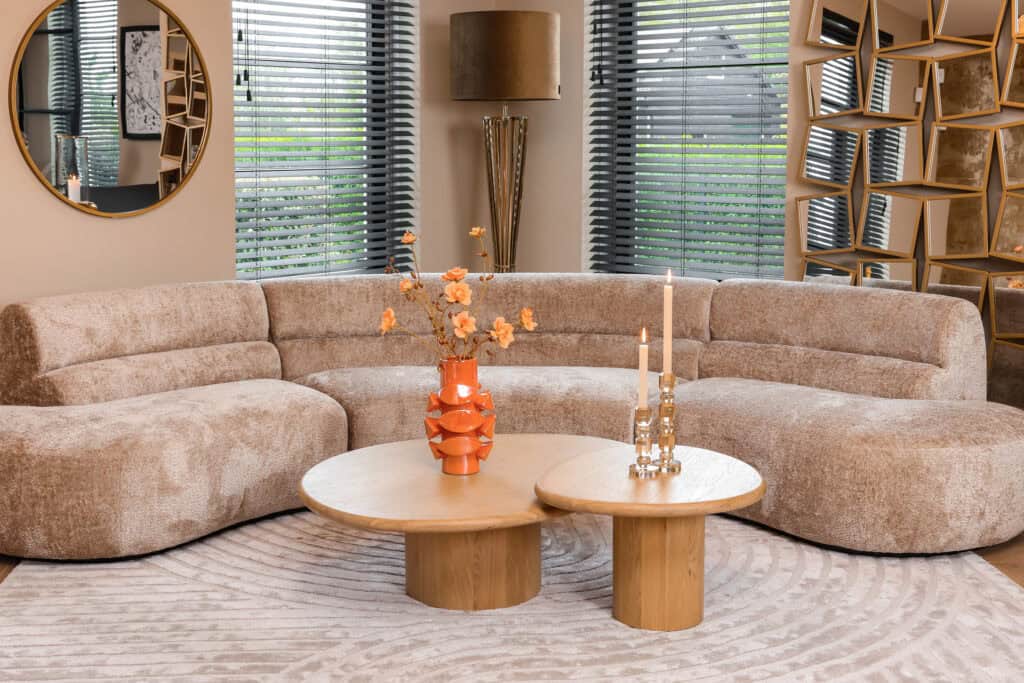
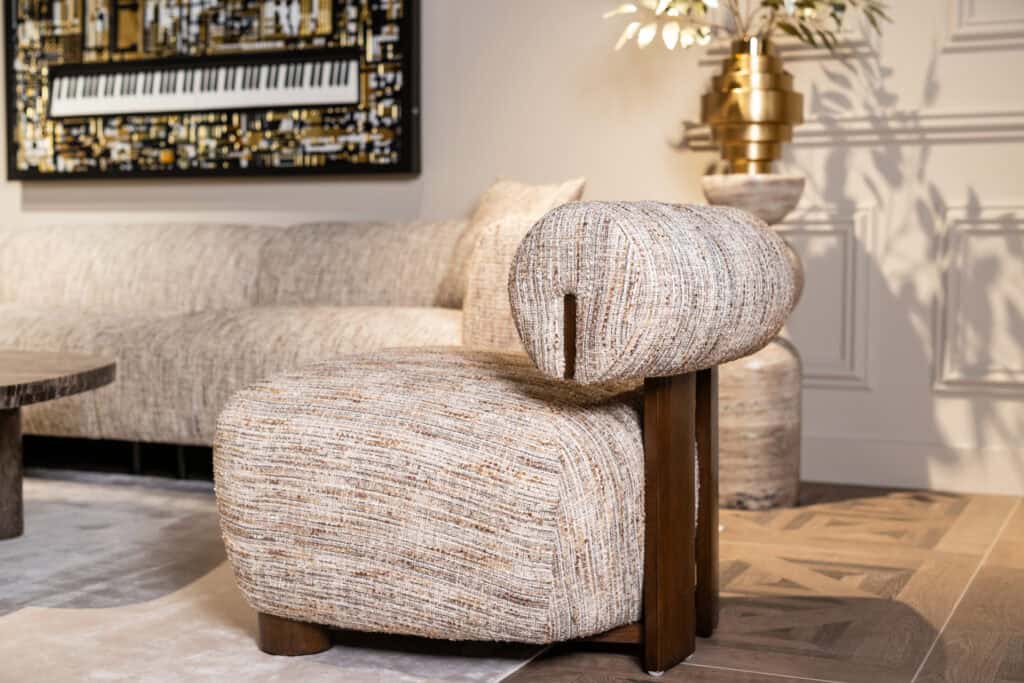
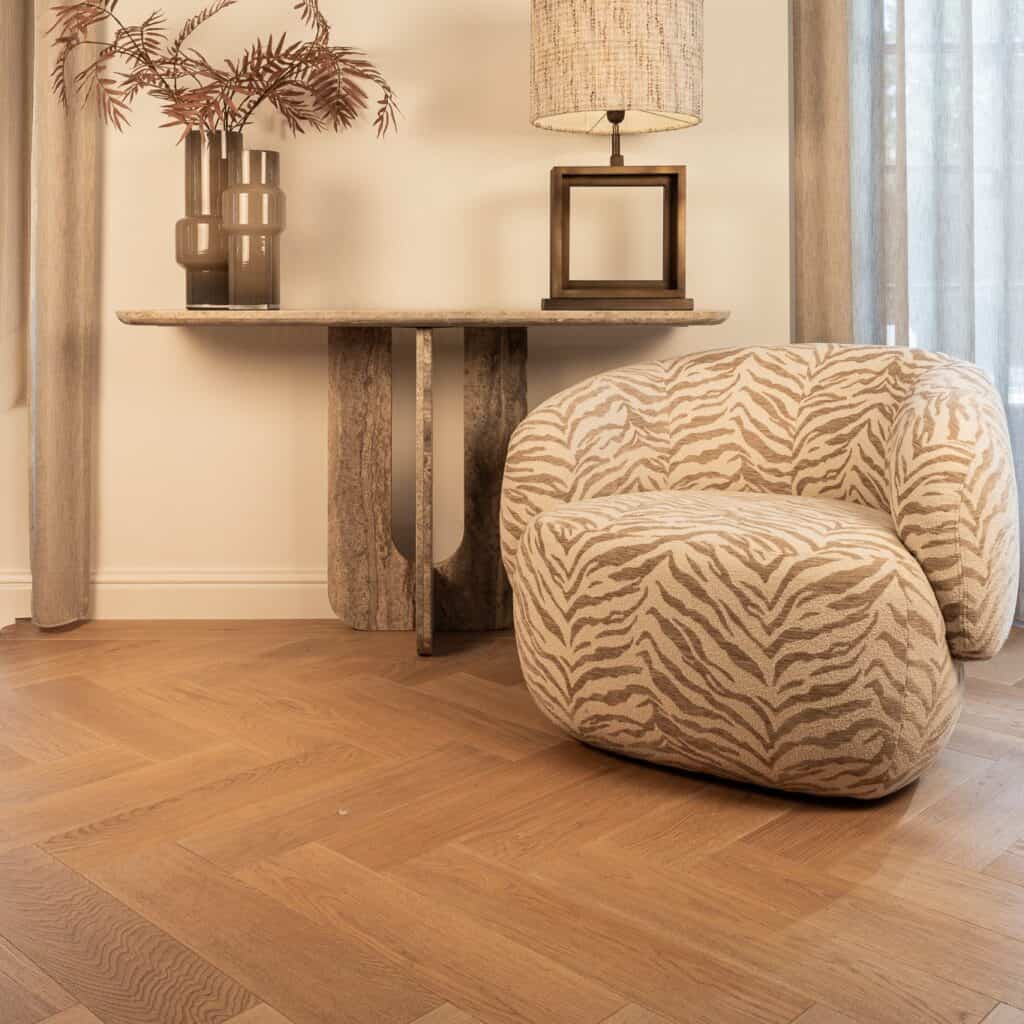
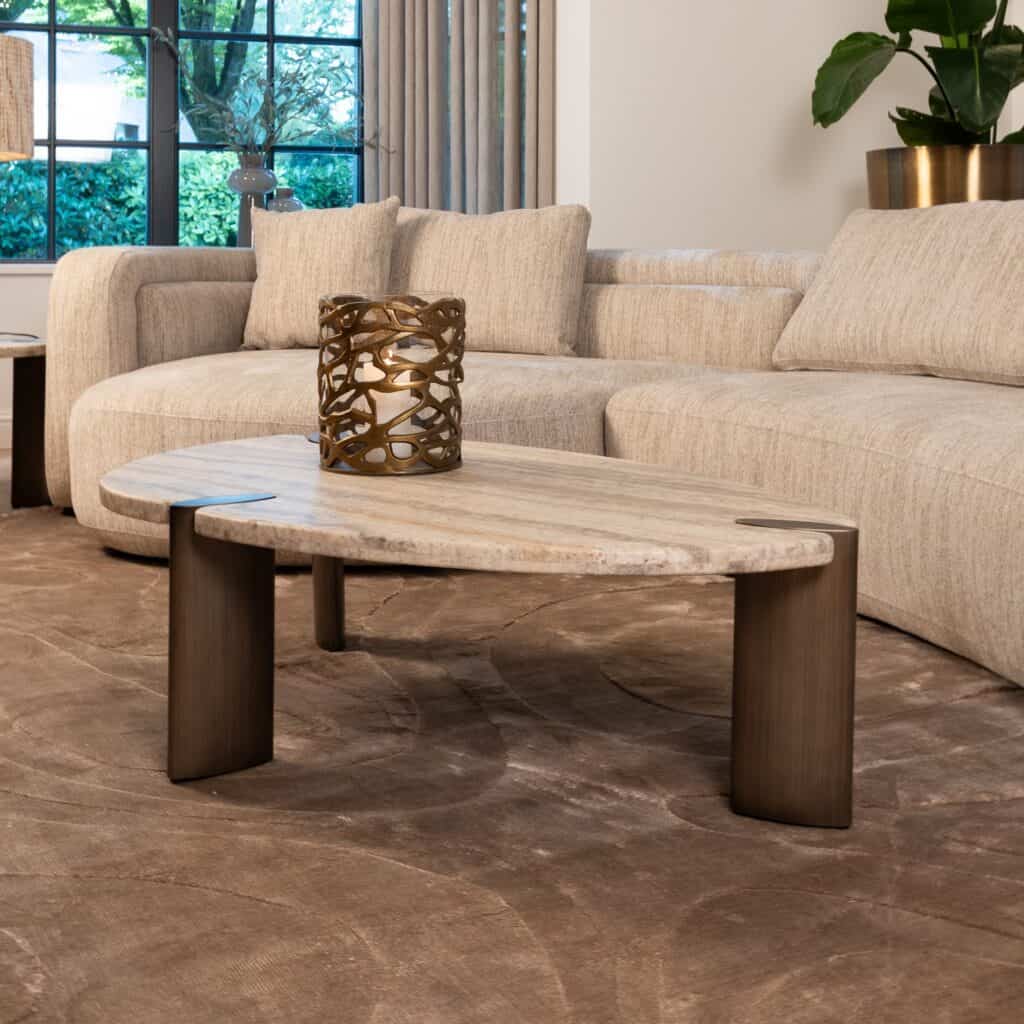
Natural stone is one of the most expressive materials in high-end interior design. Travertine has a soft, porous texture that feels more organic and warmer than polished marble. This makes it ideally suited for interiors that aim to combine tranquility and character. Brass and bronze add warmth to a space because they reflect light differently than chrome or stainless steel. Velvet and bouclé give furniture volume and texture, and alter how a piece absorbs and reflects light.
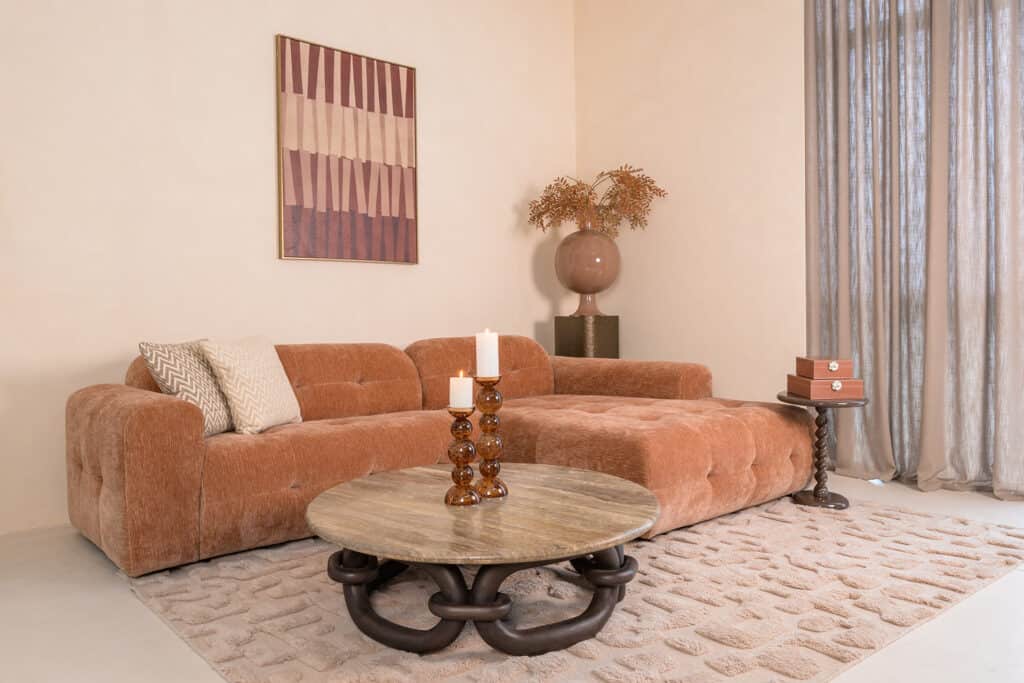
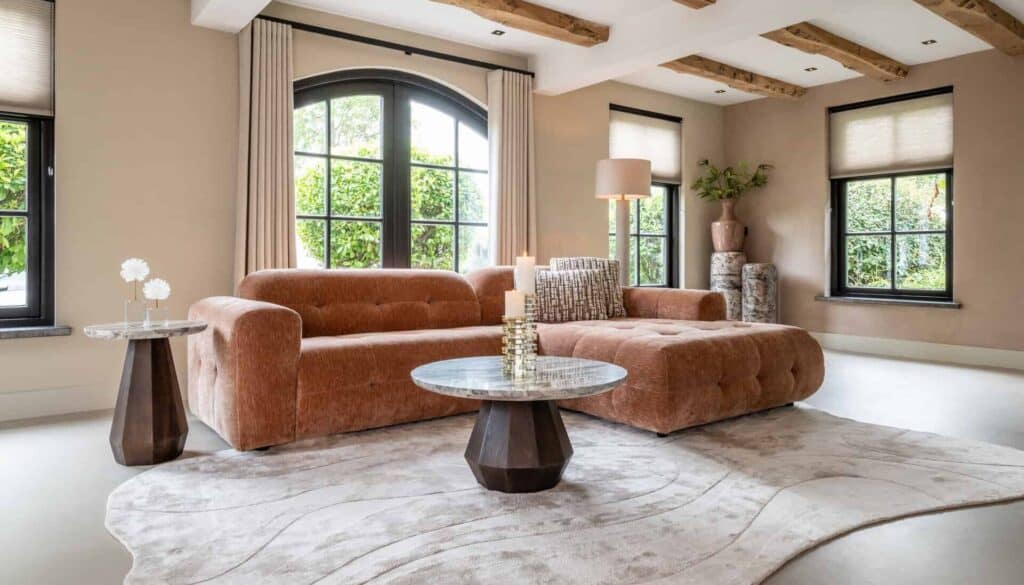
Rich, muted colors such as deep olive green, antraciet, soft terracotta, and off-white form the foundation of many luxurious interiors. They are bold enough to add character, yet subtle enough not to overwhelm. Gold and brass accents serve as color highlights that add warmth without being ostentatious. A color palette for a luxurious interior typically includes no more than three to four main colors, complemented by neutral tones that tie the space together.
Offline inspiration for a luxury interior is more valuable than many people realize, because it allows you to experience materials, proportions, and ambiance firsthand. A piece of furniture that looks impressive online may feel different in person—and vice versa. There’s no substitute for experiencing design in person.
The most reliable offline sources are:
Turning inspiration into a cohesive interior design requires a clear design concept, discipline in selection, and an understanding of how materials, shapes, and colors work together in practice. The most common pitfall is trying to combine too many good ideas without an overarching framework.
A practical approach to moving from inspiration to results:
A cohesive interior isn't created by choosing everything you like, but by selecting what contributes to the overall atmosphere you want to create.
We develop collections that span the full spectrum of luxury interior design, from furniture and lighting to decorative accessories. Our collections are curated based on a deep understanding of materials, form, and atmosphere, ensuring that pieces are not only striking on their own but also work harmoniously as a whole.
What we offer as a source of inspiration:
Would you like to experience the Richmond Interiors collections for yourself? Contact us or visit a retail location near you to discover which pieces complement your interior design ideas.