Is organic furniture a lasting home decor trend?
Inspiration
Organic furniture is an enduring home decor trend, not just a passing fad. The ongoing interest in natural shapes, textures, and materials aligns with a broader shift in interior design toward tranquility, authenticity, and a connection with nature. Below, we answer the most frequently asked questions about organic furniture and what makes this trend so sustainable.
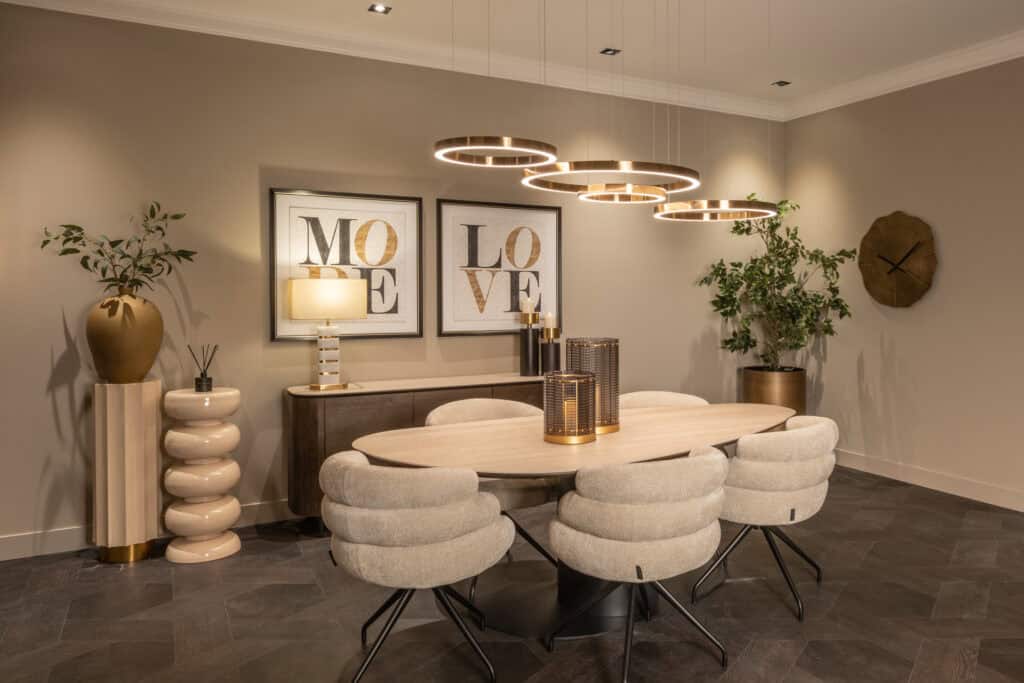
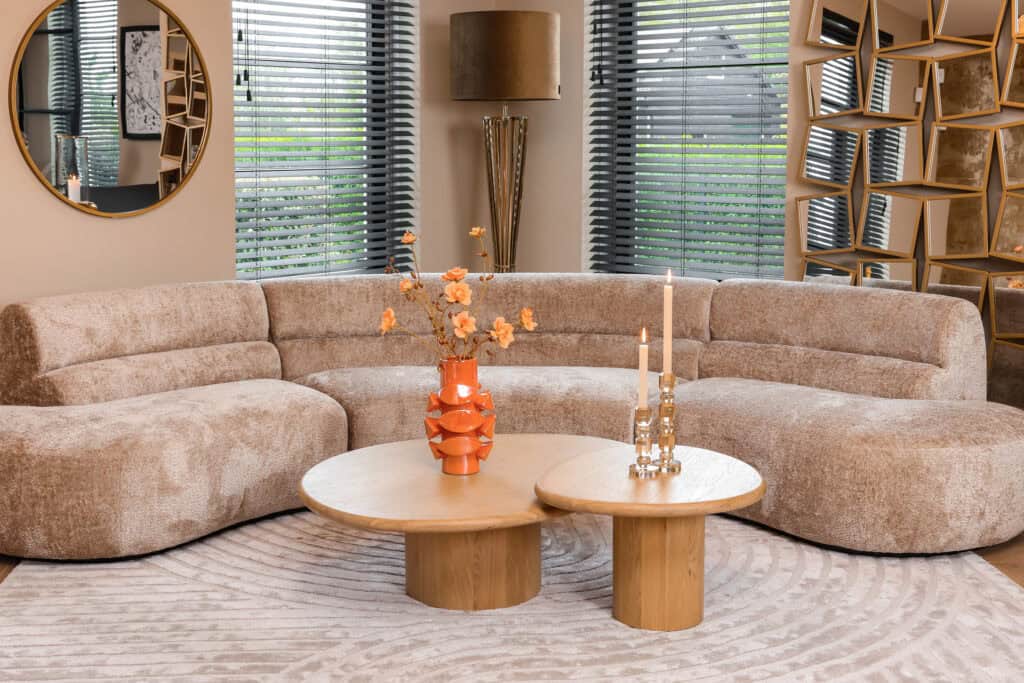
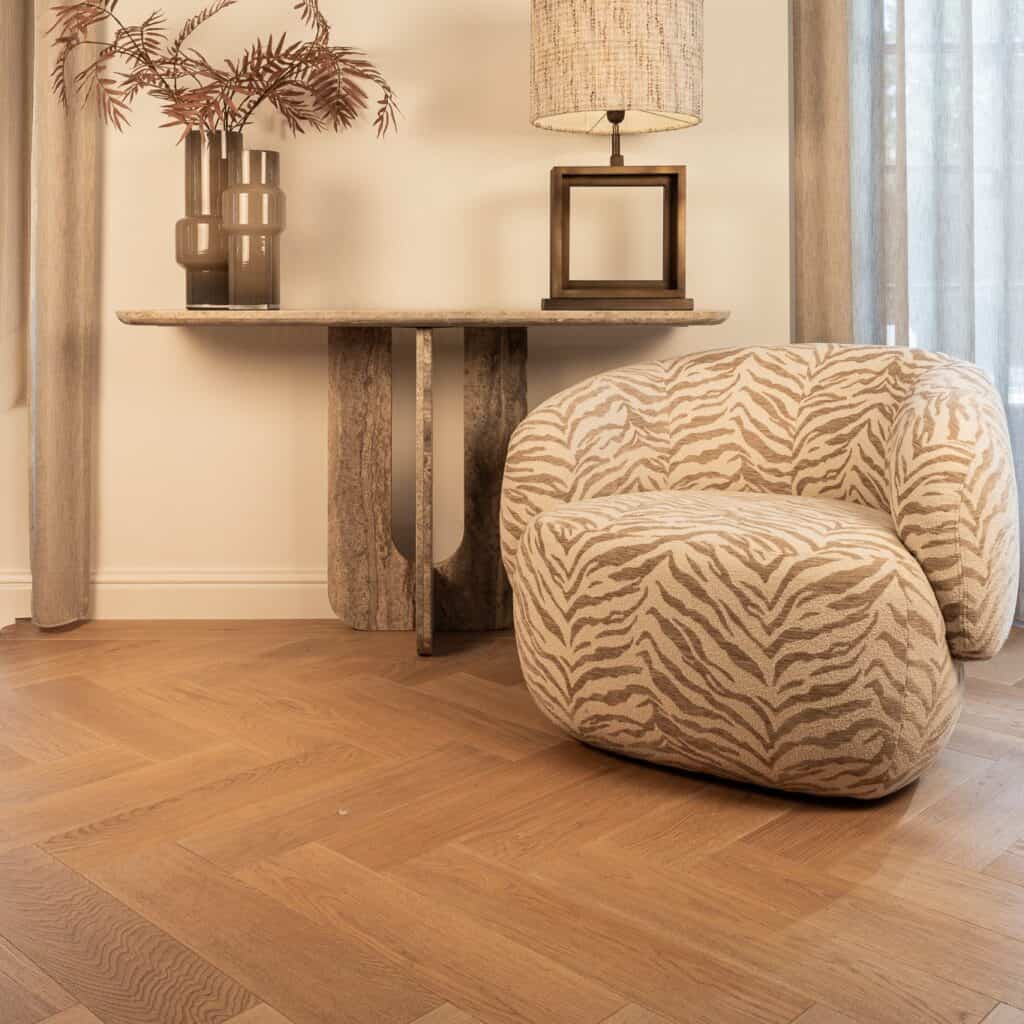
Organic furniture is furniture inspired by shapes, textures, and materials found in nature. It is characterized by soft, flowing lines without sharp corners, asymmetrical silhouettes, and the use of natural materials such as wood, stone, reed, and linen. It is not about creating an exact replica of nature, but rather about translating organic principles into living spaces.
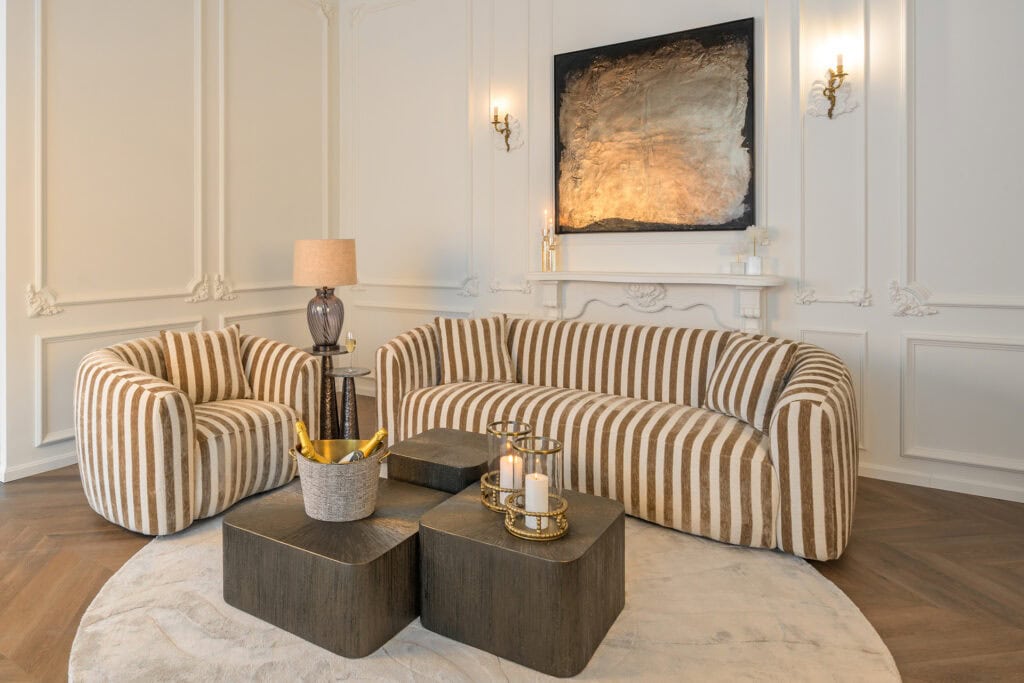
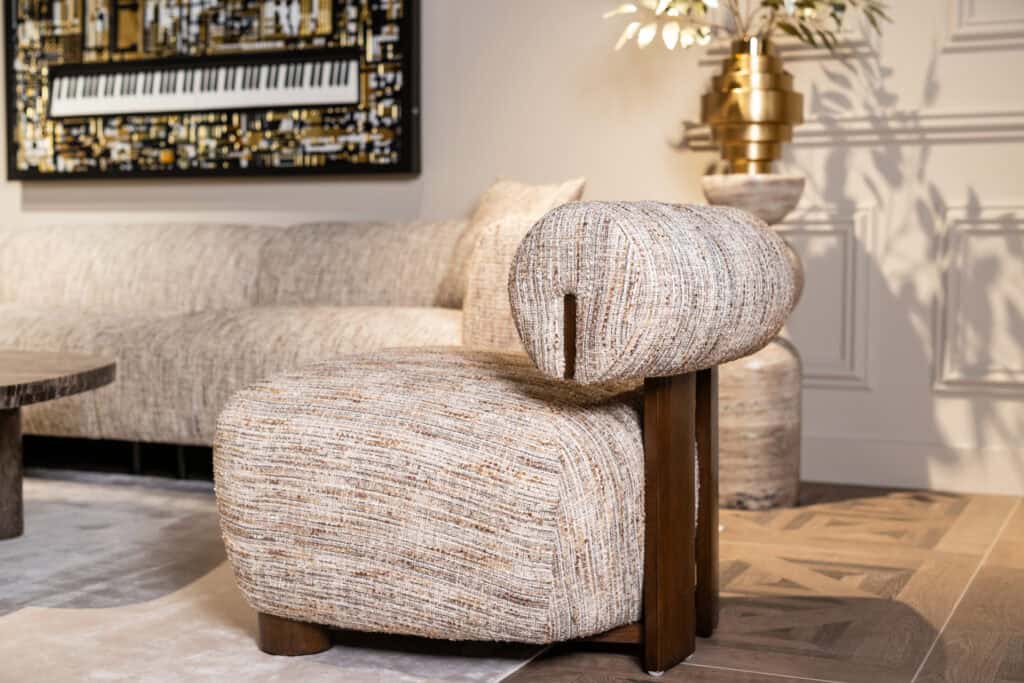
While classic modern design often strives for geometric precision, organic design consciously embraces imperfection and variation. A tabletop with a visible wood grain, a vase with an irregular shape, or a chair with a curved backrest: all these elements evoke the organic world outside the walls of a home. This gives an interior a warmer, more human character.
Biophilic design—the design philosophy that centers on the connection between people and nature—forms the theoretical basis for many organic interiors. The idea is that our environment directly influences how we feel. Soft shapes and natural textures are perceived as soothing and inviting, which makes organic furniture not only aesthetically appealing but also functionally relevant to the atmosphere of a space.
Interest in organic forms in interior design has existed for decades, but has seen a strong resurgence in recent years. Its roots lie in 20th-century organic architecture, with designers consciously moving away from straight lines and industrial forms. What is now perceived as a trend is actually a rediscovery and deepening of a much older design philosophy.
The recent resurgence is linked to a growing societal need for tranquility and authenticity. After years of stark minimalism, many interior designers and homeowners have begun seeking warmth and character. Organic forms provide that counterbalance: they feel familiar without being nostalgic, and they fit into both contemporary and more classic interiors.
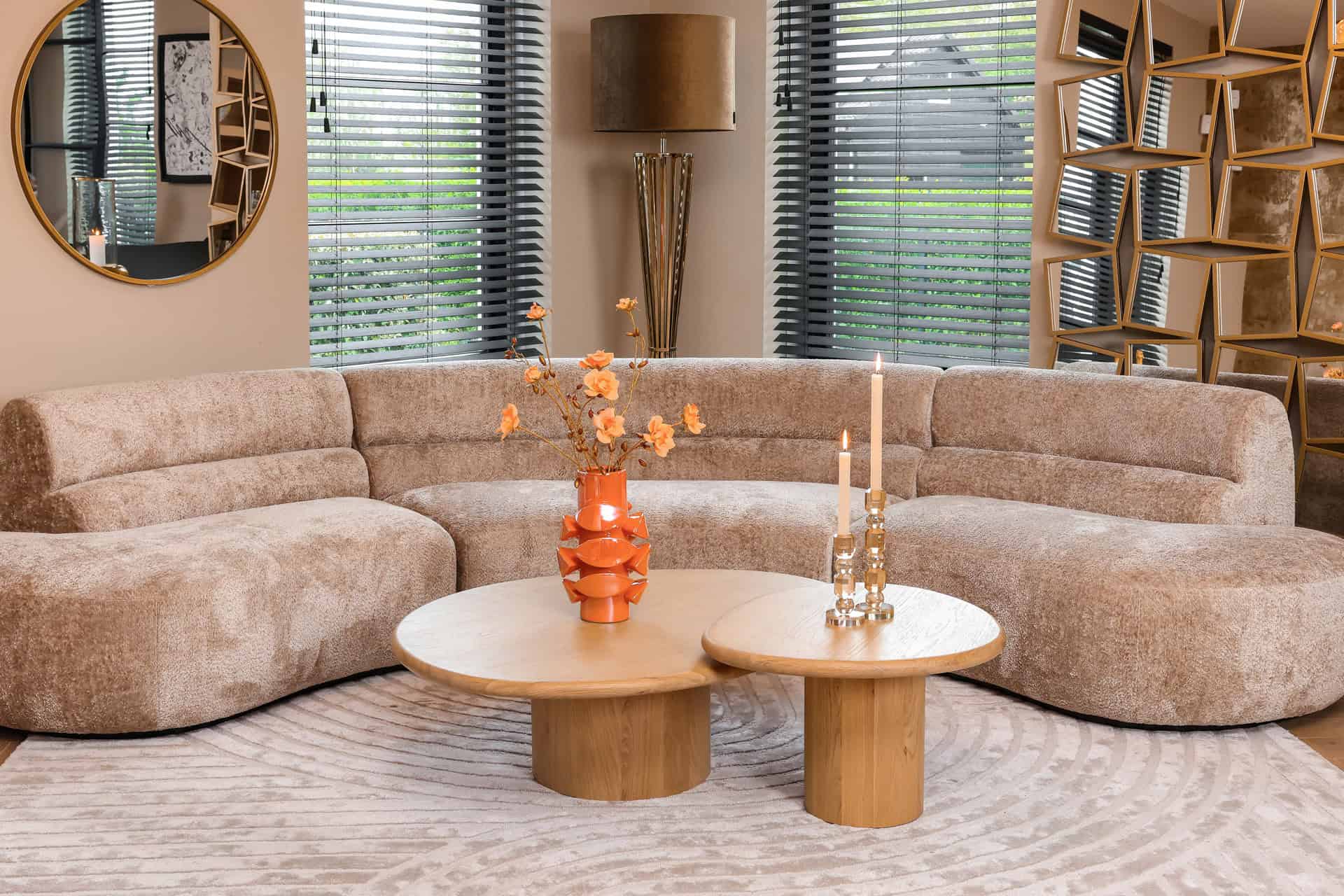
What sets this trend apart from previous waves is the breadth of the selection. Organic shapes are no longer limited to exclusive design pieces but have made their way into complete collections for the living room, dining room, and bedroom. This makes the style more accessible and helps explain why the trend has caught on so widely.
Natural materials form the foundation of any organic interior. Wood, natural stone, reed, linen, wool, and leather are the most commonly used materials, each with its own texture, warmth, and character. It’s not just about the material itself, but also how it’s processed: visible grain, rough finishes, and matte surfaces enhance the organic character.
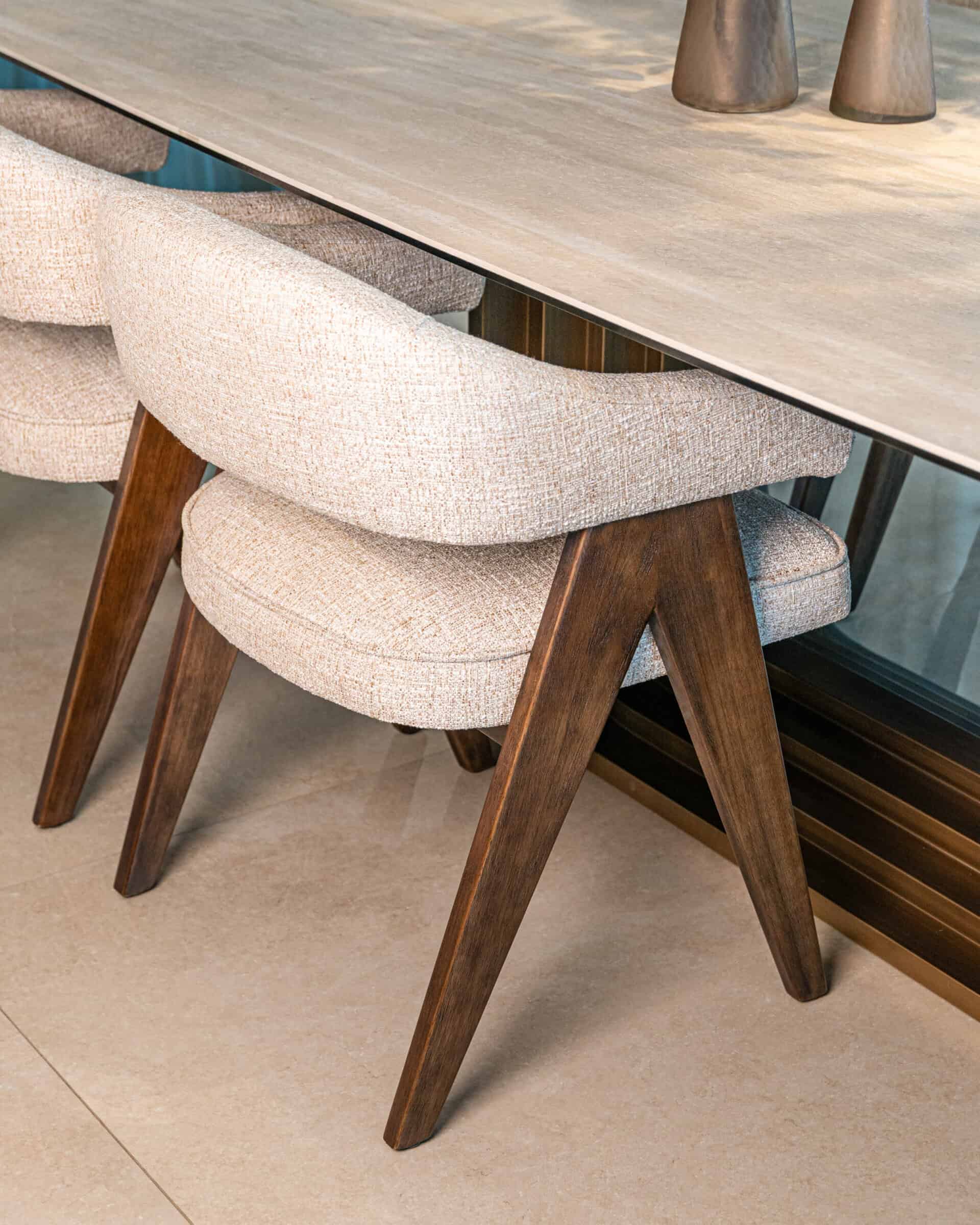
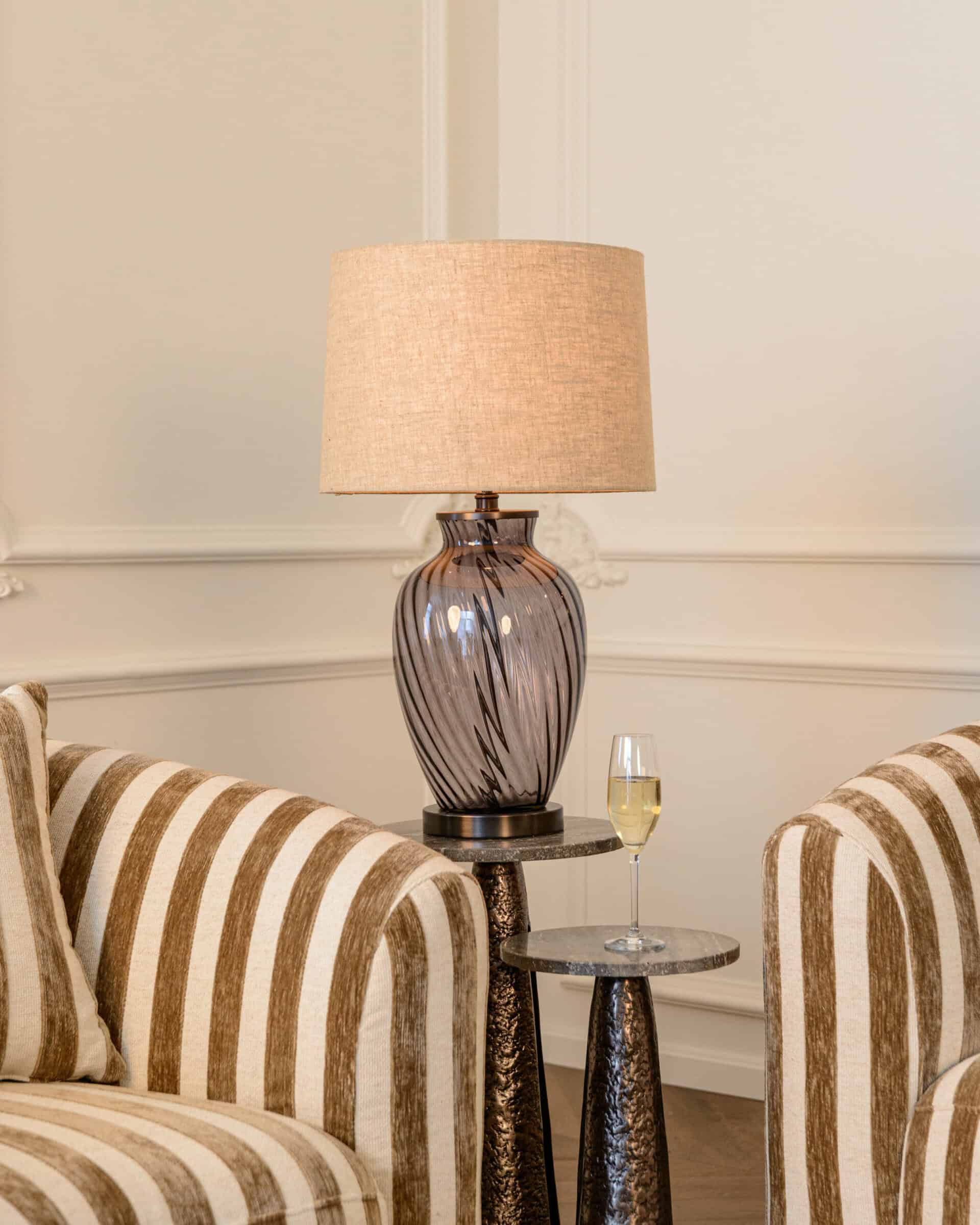
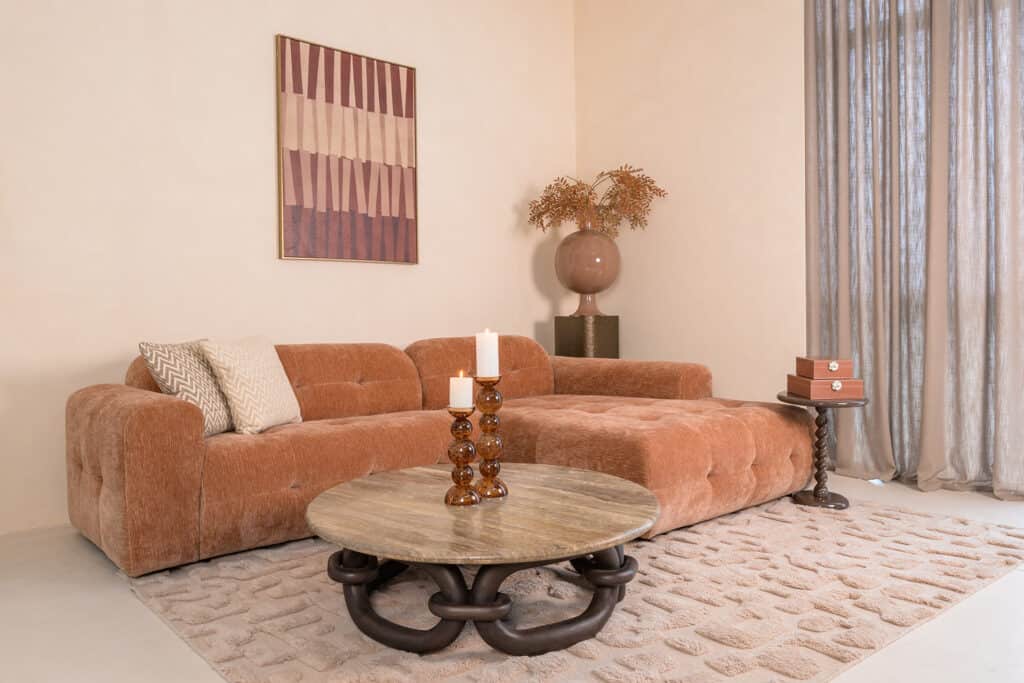
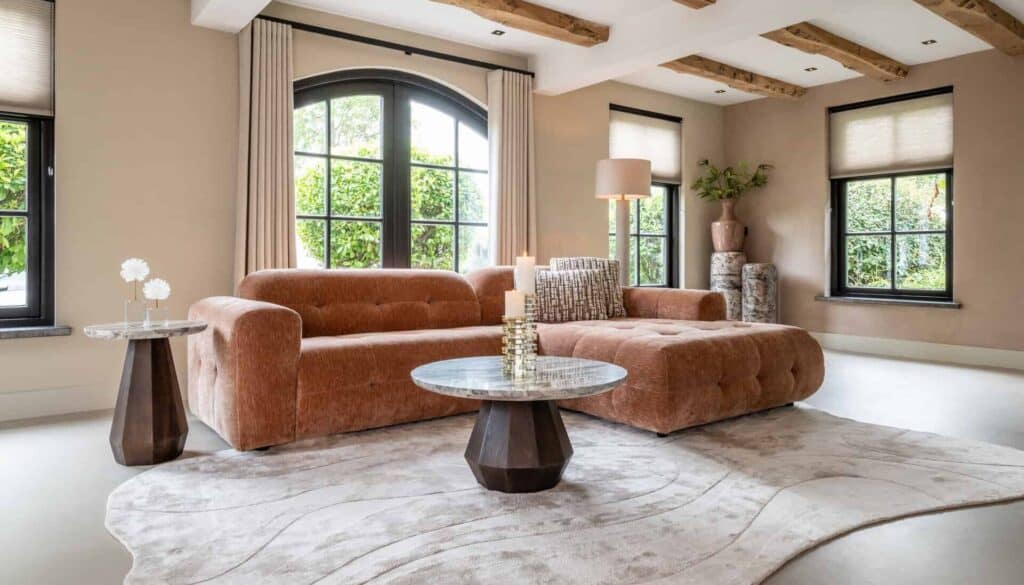
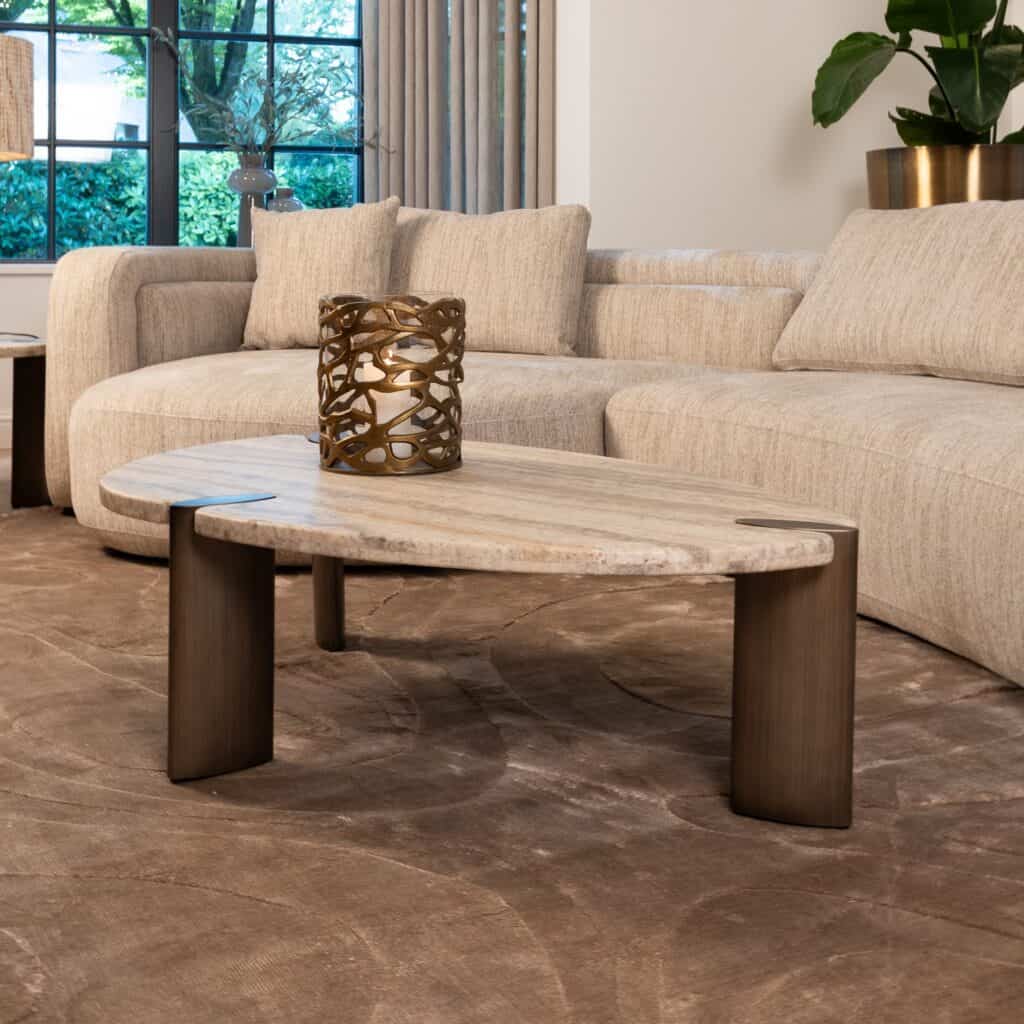
Travertine is one of the materials strongly associated with the current organic interior design trend. The soft, porous texture of travertine looks warmer and less clinical than polished marble, while still possessing a rich, mineral-like appearance. When combined with warm fabrics such as bouclé or velvet and brass accents that subtly reflect light, it creates a layered interior with great depth and atmosphere.
Our Dulce collection is a great example of how travertine texture and undulating forms come together in a cohesive design language. The natural stone look of this collection combines character with tranquility, and demonstrates how the choice of materials can set the tone for an entire space.
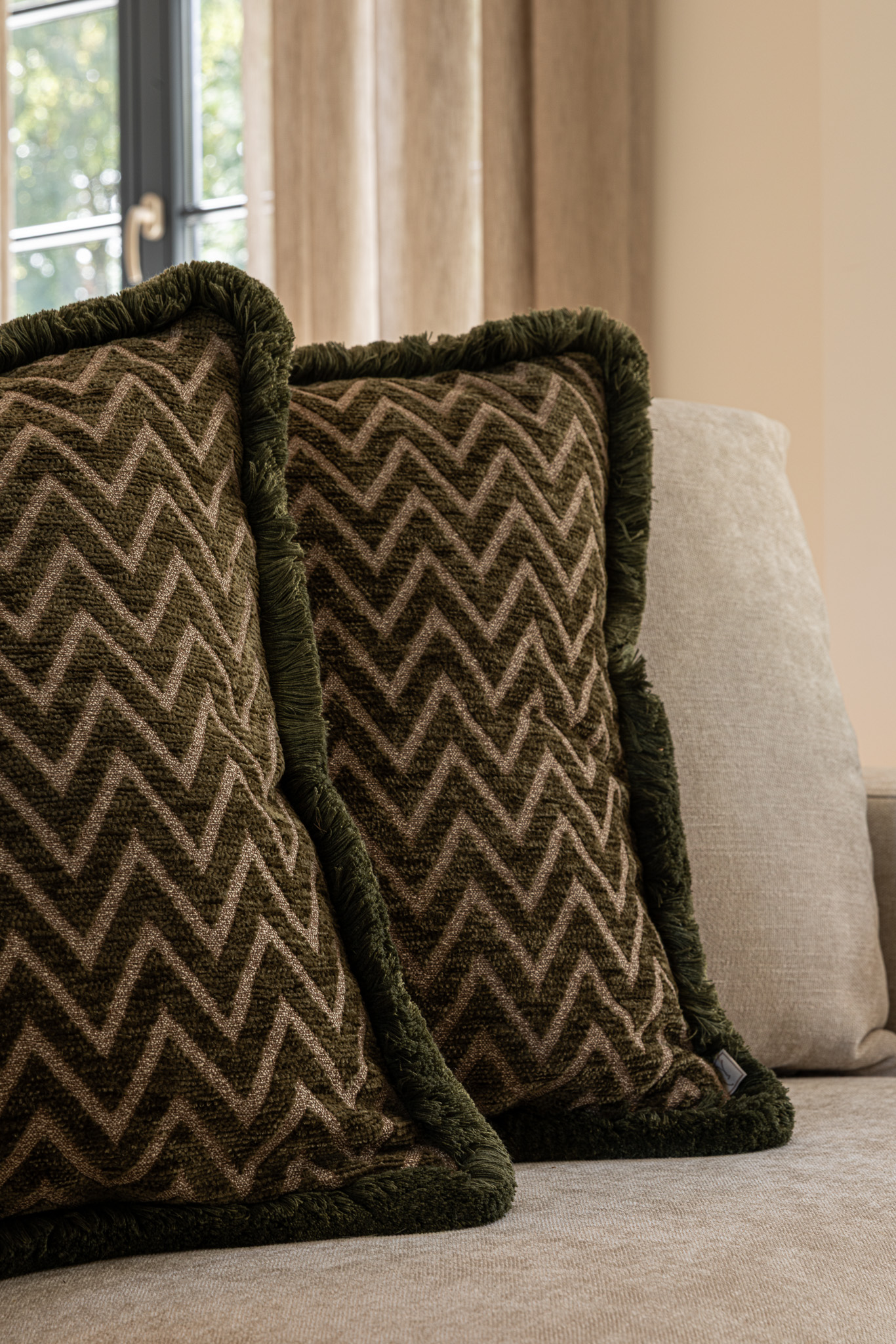
In addition to stone and wood, textiles play a major role in organic interiors. Bouclé, a woven fabric with a slightly textured surface, adds texture without being overwhelming. Linen and woven wool give furniture an artisanal character. The combination of different textures, each with its own feel and visual weight, is what makes an organic interior so rich and layered.
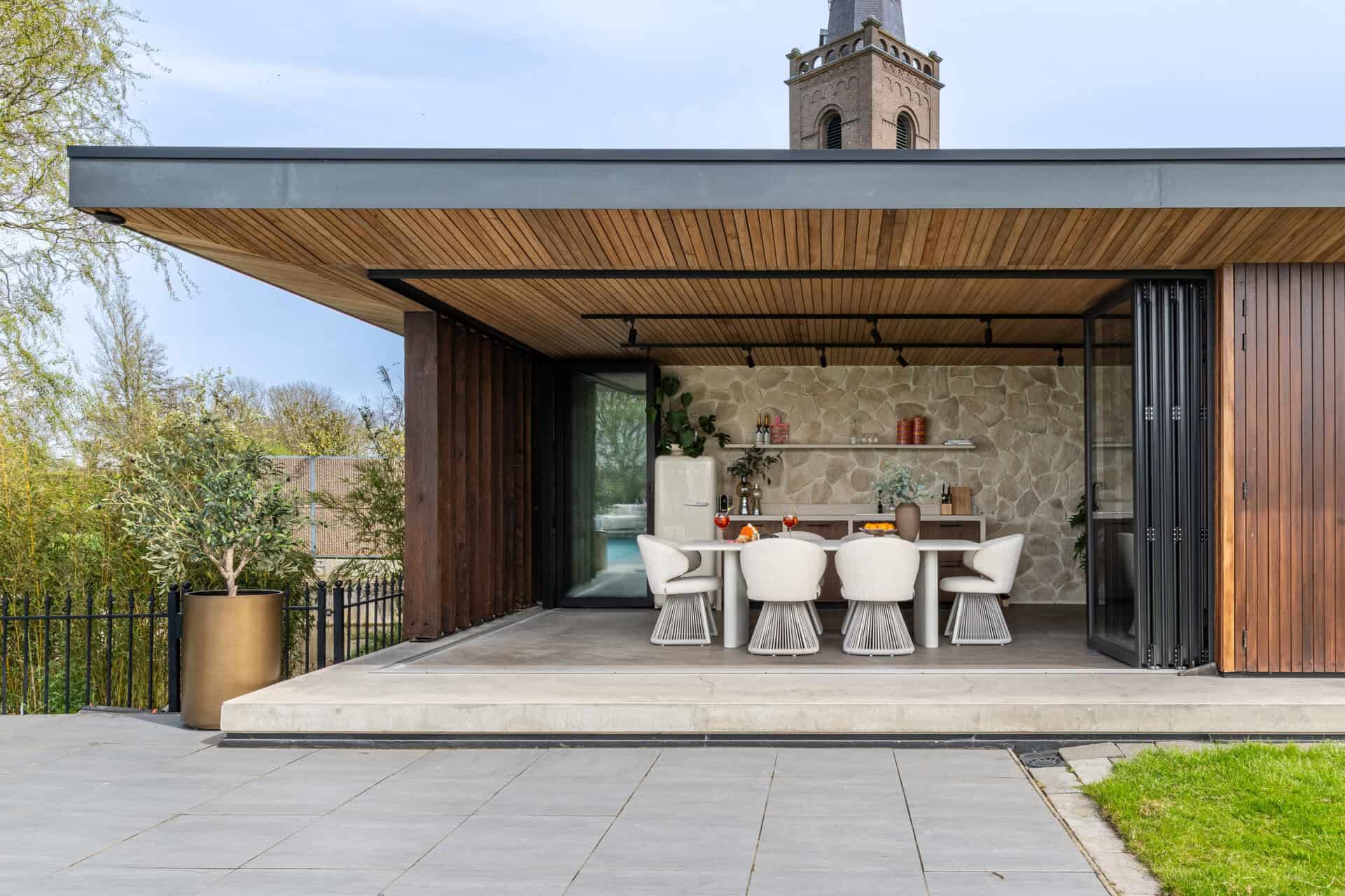
The organic style suits virtually any type of home, but the way you apply it varies depending on the room and the architecture. Whether it’s a modern apartment, a country home, or a renovated townhouse, organic shapes and natural materials can serve as a unifying element in any interior.
In a sleek, modern home, organic furniture brings warmth and variety that make a space feel less cold. A table with a flowing silhouette or a chair with a curved backrest breaks up the geometric rigidity without compromising the modern aesthetic. In a classic interior, organic shapes enhance the timeless quality that is already present.
The key lies in proportions and combinations. Organic furniture works best when given space to showcase its form. Don’t overload a room with too many different organic pieces; instead, choose a limited number of statement pieces that set the tone. Pair them with neutral colors, soft lighting, and textures that complement the forms without competing with them.
Interior designers choose organic shapes because they make a space feel more human, calmer, and visually more interesting. Organic lines draw the eye in a different way than straight, geometric lines: they move with you, they invite you in, and they create a sense of flow in a space. For designers focused on comfort and ambiance, these are compelling reasons.
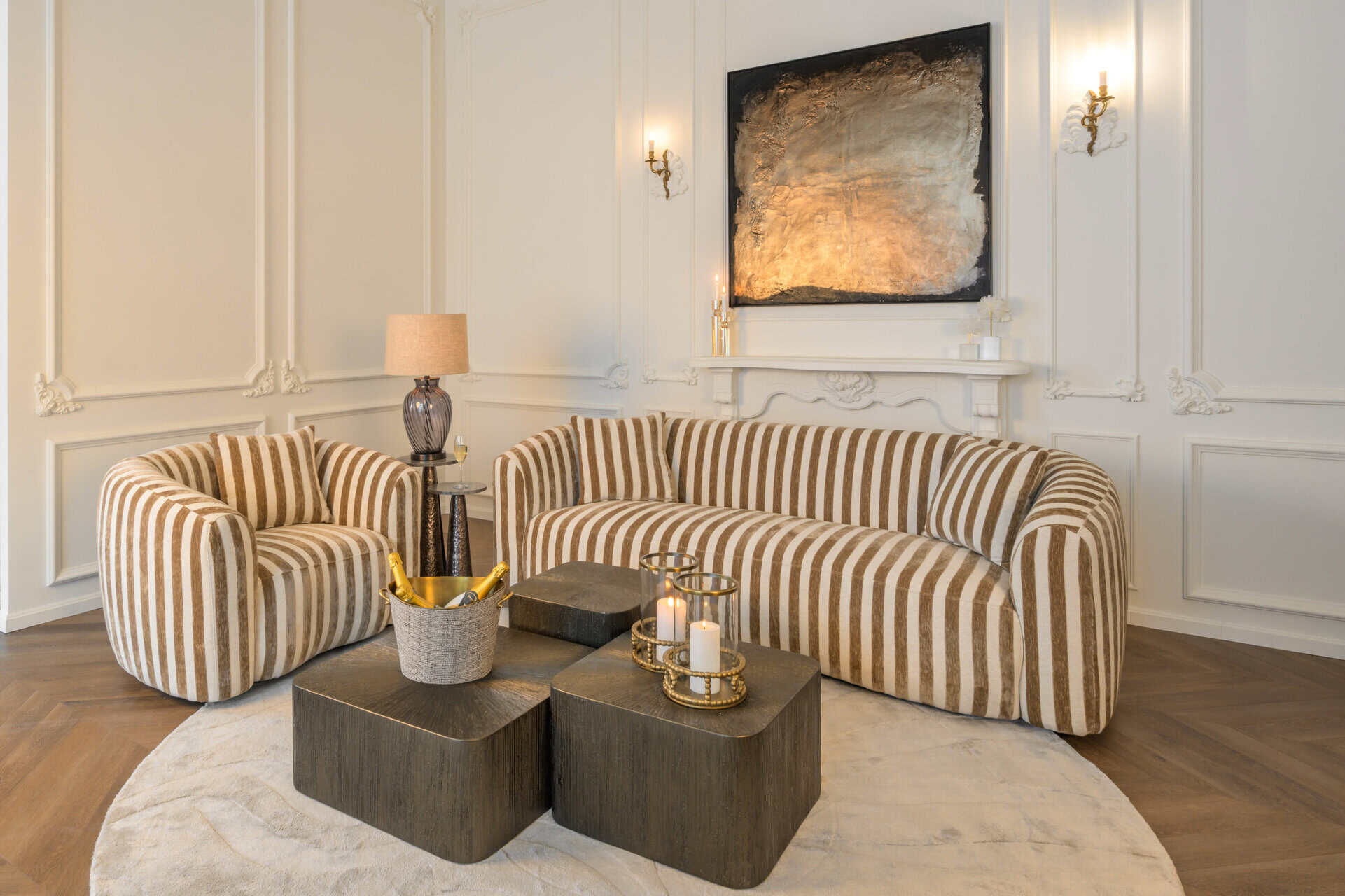
In addition, organic shapes blend exceptionally well with other design styles. They are not tied to any particular style in the strict sense: an organically shaped Sofa fits just as well in a minimalist interior as it does in an eclectic or more classic setting. That versatility makes them appealing to designers who create custom pieces for a wide range of clients.
From a materials perspective, organic furniture also offers more scope for craftsmanship and attention to detail. The undulating forms call for meticulous construction and finishing, which highlights the quality of a piece. For designers working in the high-end segment, this is a key distinguishing feature: the furniture speaks to the craftsmanship behind the design.
Organic furniture remains popular because the underlying need for tranquility, warmth, and a connection to nature is fundamental and not seasonal. Interior design trends that align with deeper human needs—such as biophilic design—have a longer lifespan than trends that are purely visual or fashion-driven.
What does change, however, is the way the organic style is interpreted. Specific materials, color palettes, and design details evolve with each season, but the basic principles remain consistent. Travertine may be replaced by another type of stone, and bouclé may be succeeded by another woven fabric, but the preference for natural textures and soft shapes remains a constant in contemporary interior design.
Interior designers and style-conscious homeowners who invest in high-quality organic furniture today are choosing pieces that won’t go out of style anytime soon. Furniture with a strong material identity and a well-thought-out form retains its relevance, regardless of minor shifts in the trend cycle. That is precisely what gives organic design its timeless value.
We develop collections that translate the organic interior design trend into concrete, high-quality furniture and accessories. Our approach combines design knowledge with material expertise, ensuring that each collection has a cohesive look that meets today’s demands.
Would you like to learn more about our collections, or are you curious to find out which retailer near you carries Richmond’s organic style? Contact us or explore the options at a retailer near you.